
Politics 6 min read By Trevor Kendall
Troy Jackson Files Paperwork to Enter Maine Senate Race as Platner Faces Pressure to Withdraw
Longtime Maine Democrat Troy Jackson has filed paperwork to enter the U.S. Senate race, positioning himself as a potential replacement for Graham Platner, who faces rape allegations and mounting pressure to withdraw.
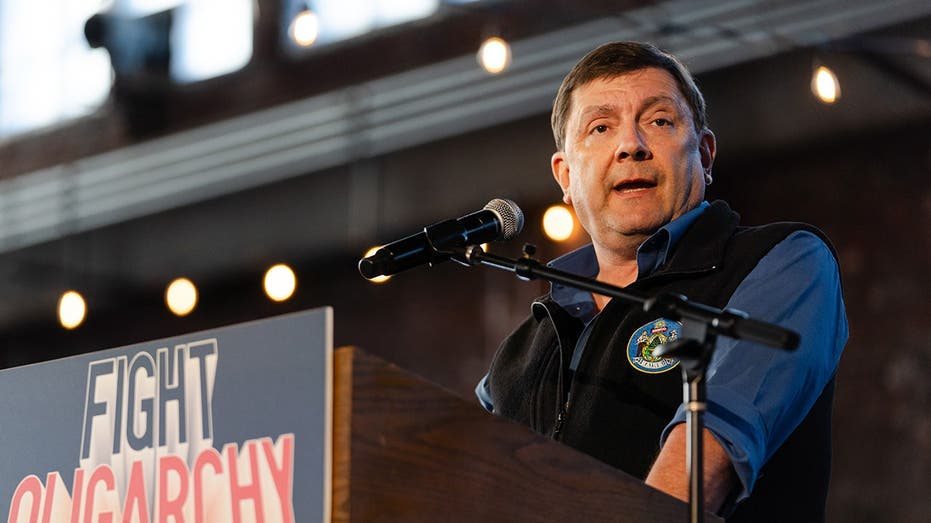
Longtime Maine Democrat Troy Jackson filed paperwork Tuesday to enter the U.S. Senate race, positioning himself as a potential replacement for Graham Platner, who is facing mounting pressure to end his campaign after a rape allegation surfaced. Jackson, a fifth-generation logger and former president of the Maine Senate, submitted a statement of candidacy with the Federal Election Commission, signaling his interest in the seat should the Democratic nomination become available.
Platner, who won the Democratic primary in June, has denied the allegations as «categorically false» and has so far resisted calls to withdraw. However, prominent Democratic leaders, including Senate Minority Leader Chuck Schumer of New York, have withdrawn their support and urged Platner to end his campaign. Under Maine law, Platner has until Monday, July 13, to withdraw if Democrats hope to replace him on the November ballot. If he steps aside before the deadline, the state Democratic Party will have until July 27 to choose a new nominee.
Jackson, who lost the Democratic gubernatorial primary just weeks ago, took to social media to condemn the allegations against Platner while emphasizing that he has not yet decided whether to seek the nomination. «While I haven't made any final decisions yet, I'm deeply humbled by the outpouring of support and encouragement I've received,» Jackson wrote. «I'm currently weighing the best path forward to support our progressive movement and the working class political revolution Mainers are fighting for.»
Jackson and Platner ran closely aligned progressive campaigns and appeared together at campaign events throughout the 2026 election cycle. Both embraced a progressive platform and earned the backing of Senator Bernie Sanders, an independent from Vermont. Following the allegations against Platner, however, Our Revolution — the progressive political organization Sanders founded after his 2016 presidential campaign — withdrew its endorsement of Platner and instead backed Jackson, whom it had also endorsed during his gubernatorial campaign.
«We have days, not weeks, to make sure a real progressive is on this ballot,» Our Revolution Executive Director Joseph Geevarghese said in a statement. «If we do not organize now, we risk watching the Democratic establishment handing Maine a corporate placeholder while the party that just got outvoted decides it knows better. We refuse to let that happen.»
Jackson's ties to Sanders stretch back more than a decade. He was one of the few Democratic National Committee superdelegates to endorse Sanders over Hillary Clinton during the 2016 Democratic presidential primary and later served as Sanders' Maine political director, introducing him at campaign rallies across the state. Sanders later returned the favor, endorsing Jackson's gubernatorial campaign and appearing alongside him on the campaign trail.
«Fighting for the working class of Maine is not something new for Troy,» Sanders said during a campaign rally. «That's what he has done for his entire life as a logger and as a member of the Maine state legislature. Troy knows what's going on with the working class of Maine because he's part of that working class.»
A fifth-generation logger and one of Maine's best-known labor Democrats, Jackson spent more than two decades in the state Legislature, including six years as president of the Maine Senate before leaving the post in 2024. During his gubernatorial campaign, he ran on a platform that included universal child care, Medicare for all, and the creation of a Department of Affordable Housing. He also secured endorsements from more than 20 labor unions, cementing his reputation as a working-class progressive.
Despite his progressive politics, Jackson has repeatedly won elections in one of Maine's most Republican regions. He represented northern Aroostook County, a largely rural district that has consistently supported President Donald Trump by double-digit margins in recent presidential elections. Jackson has argued that his success stems from focusing on working-class economic issues rather than partisan labels.
The situation has created a tense dynamic within the Maine Democratic Party, as leaders scramble to find a viable candidate who can compete in the general election. The race is expected to be tight, with concerns about both candidates, according to recent polling. If Platner does not withdraw by the Monday deadline, Democrats may face the prospect of running a candidate under a cloud of serious allegations, which could hurt their chances in a closely watched Senate race.
Jackson's filing adds a new layer of complexity to an already volatile political landscape in Maine. His progressive credentials and ability to win in a conservative district make him an attractive option for party leaders seeking a candidate who can unite the party's base while appealing to moderate and independent voters. However, Jackson has not made a final decision, and the coming days will be critical in determining the outcome of the Senate race.