Politics 5 min read By Morgan Griffin
RFK Jr. Accuses CNN's Erin Burnett of 'Trump Derangement Syndrome' Over Meal Cost Report
Health and Human Services Secretary Robert F. Kennedy Jr. attacked CNN anchor Erin Burnett, claiming she suffers from 'Trump Derangement Syndrome' after a report found his 'affordable' family meal plan costs 3.6 times more than he claimed.
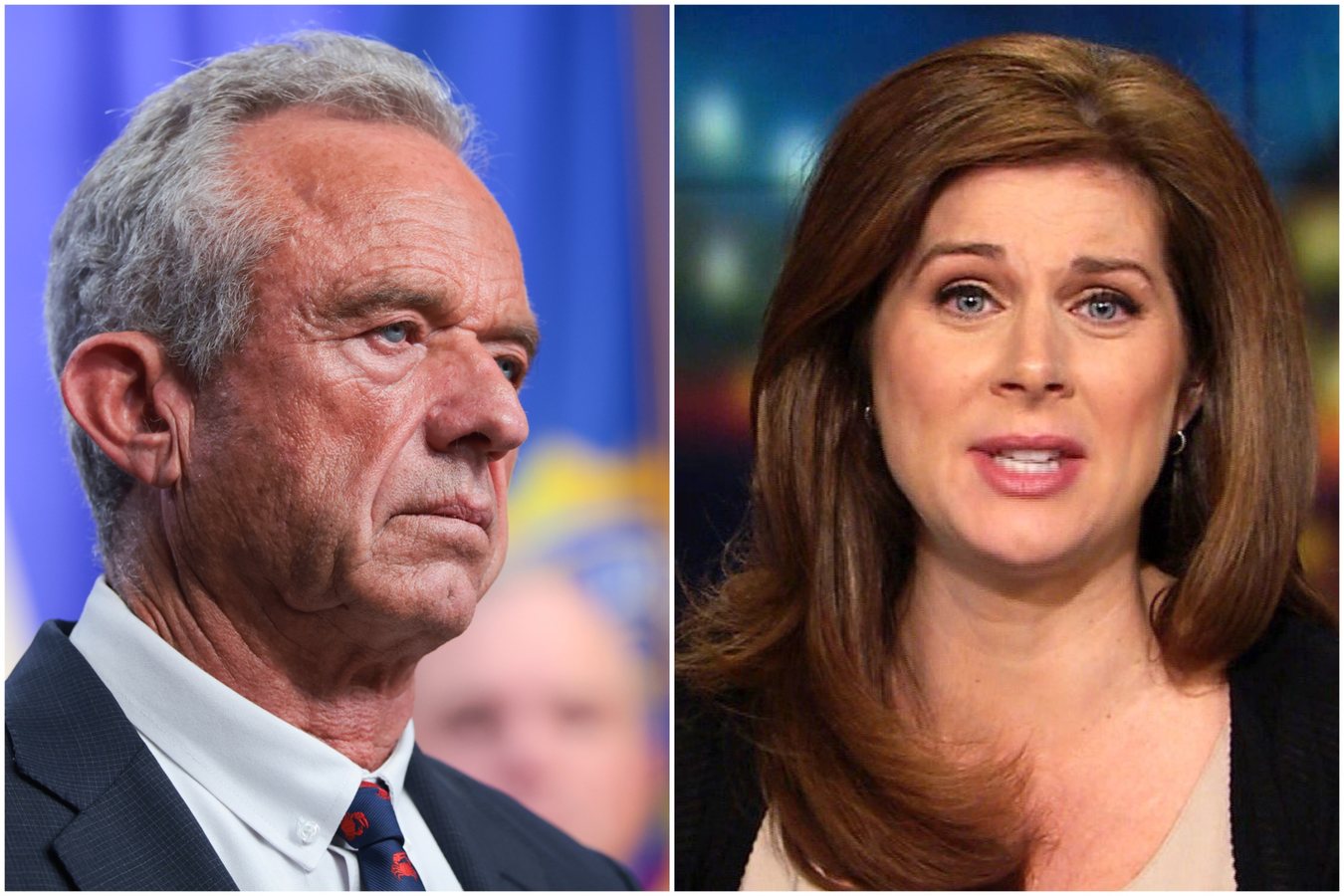
Robert F. Kennedy Jr. lashed out at CNN anchor Erin Burnett, accusing her of suffering from «Trump Derangement Syndrome» that has left her without «common sense» or «basic arithmetic». The Health and Human Services Secretary was responding to a segment on «Erin Burnett OutFront» that examined the actual cost of one of his promoted «affordable» family meal plans.
The CNN report found that the meal plan Kennedy touted as affordable costs approximately 3.6 times more than the health secretary had claimed. Kennedy, who has made food prices and nutrition a central focus of his tenure at HHS, did not dispute the figures in the report but instead attacked the anchor's credibility and mental state.
«She has Trump Derangement Syndrome,» Kennedy said of Burnett, a veteran journalist known for her fact-based reporting. «She has no common sense and no basic arithmetic.» The secretary's remarks came during a heated exchange in which he defended his record on addressing food costs for American families, a key pillar of his «Make America Healthy Again» agenda.
The controversy began when Kennedy publicly promoted a family meal plan he described as affordable, suggesting it demonstrated his commitment to tackling grocery inflation. CNN's fact-checking team priced the same items at retail grocery stores and found the total came to roughly 3.6 times the amount Kennedy cited in his public statements. The discrepancy quickly drew attention on social media, with critics questioning whether the secretary's numbers reflected real-world prices or an idealized budget.
Burnett's segment highlighted specific items from the meal plan, comparing Kennedy's stated costs with average prices at major national supermarket chains. The report noted that while some items could be purchased at discount prices during sales, the overall basket did not match the secretary's claim of affordability for an average family. The segment also pointed out that Kennedy's own department has published dietary guidelines that recommend portions and food groups consistent with the meal plan he promoted.
Kennedy's attack on Burnett is the latest in a series of confrontations between Trump administration officials and mainstream media outlets over coverage of policy initiatives. The health secretary has frequently criticized what he describes as biased reporting on his department's work, particularly on issues related to food policy, vaccine safety, and chronic disease prevention. His supporters argue that media outlets have unfairly targeted him since his confirmation, while critics say his responses often deflect from substantive policy questions.
The exchange has reignited debate about the affordability of healthy eating in the United States, a topic Kennedy has championed since taking office. His department has proposed several initiatives aimed at reducing the cost of nutritious food, including partnerships with retailers and changes to federal nutrition assistance programs. However, the CNN report suggests that the gap between political messaging and grocery store receipts remains significant for many families.
Neither CNN nor Burnett has issued a formal response to Kennedy's remarks. The network has stood by its reporting, and Burnett addressed the exchange briefly on air, noting that the figures in the segment were sourced from public data and verified by independent analysts. The White House has not commented on the dispute, though Kennedy's allies in Congress have echoed his criticism of the network's coverage.
The clash underscores the ongoing tension between the administration and the press over how policy claims are scrutinized. For Kennedy, the episode has become a rallying point for his base, who view the criticism as evidence of media bias against his reform agenda. For journalists, it serves as a reminder of the challenges of fact-checking public figures who frame their responses as attacks on the messenger rather than engagement with the facts.