Politics 4 min read By Trevor Kendall
Lindsey Graham’s Sister Enters Senate Race After Trump Push
Sen. Darline Graham, appointed to finish her late brother’s term, officially enters the special election for the Republican nomination in South Carolina, shaking up a crowded field that includes Reps. Ralph Norman, Russell Fry, and businessman Mark Lynch.
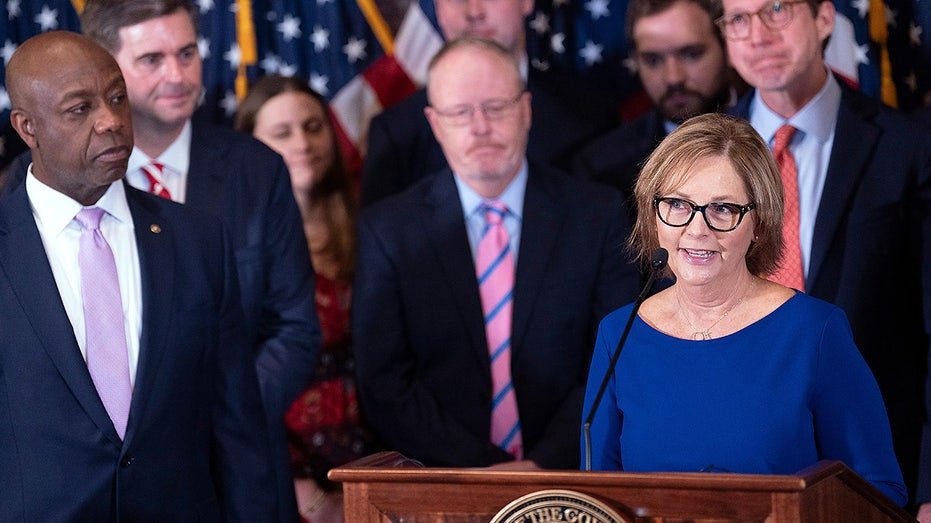
Sen. Darline Graham, the sister of the late Sen. Lindsey Graham, has officially entered the special election to claim the Republican nomination for his seat in South Carolina, following a push from President Donald Trump. In an interview with Fox News’ Sean Hannity, Graham confirmed her decision, saying she feels an inner peace about the race despite acknowledging the tremendous pressure. Her entry reshapes a contest that already includes Reps. Ralph Norman, Russell Fry, and businessman Mark Lynch, with Rep. Nancy Mace having strongly suggested she would run before ultimately declining.
Graham was appointed to serve as caretaker for her brother’s seat after his death, but her decision to seek a full term adds a new dynamic to the race. The special election will determine who completes the remainder of Lindsey Graham’s term, and the Republican primary is expected to be fiercely contested. Trump’s endorsement of Graham gives her a significant advantage, but the field remains crowded with candidates who have their own political bases and ambitions.
The race has already sparked tensions among Republican contenders. Mace, who finished fifth in the recent gubernatorial primary, argued that Fry’s candidacy could jeopardize the House’s slim majority if he wins both a Senate seat and his House seat, as South Carolina law allows candidates to appear on the ballot for multiple offices. Fry, who is unopposed for his House primary, would have to choose between the two positions if he wins both, triggering a special election to fill his House seat. Mace warned that this could hand the Speaker’s gavel to Democrats, a scenario she said she would never allow.
Norman echoed similar concerns, stating on X that Fry’s candidacy could leave his House district unrepresented until May, putting President Trump’s agenda at risk. However, Fry’s campaign pushed back, with state Sen. JD Chaplin arguing that voters deserve a choice and that Fry has accomplished more than all potential candidates combined, having passed three bills in his first four years in Congress. The top two Republicans in the South Carolina Statehouse, Senate President Thomas Alexander and House Speaker Murrell Smith, said the special election has highlighted issues in state law and that they intend to address them in the coming weeks.
Mace ultimately decided against entering the Senate race, announcing in a video statement that she is not running, not because she is backing down from a fight, but because the one she is already in matters right now. She emphasized that she is chasing justice, not another title, and will continue to focus on her work in the House. Her decision leaves the field to Graham, Norman, Fry, and Lynch, with the primary filing deadline approaching.
The contest is shaping up to be a messy brawl among conservatives, with candidates trading barbs over political motivations and the potential impact on the House majority. Graham’s entry, backed by Trump, could consolidate support among loyalists, but Norman and Fry have their own bases in the state. The special election will be a key test of Trump’s influence in South Carolina and could set the stage for the 2026 midterm elections.