Politics 5 min read By Lauren Baxter
Former Biden COVID-19 Coordinator Says Pandemic Likely Originated From Lab Leak
Former White House COVID-19 Response Coordinator Dr. Ashish Jha said he now believes the pandemic most likely began with a lab leak, citing evidence reviewed during his time in the Biden administration and calling on Chinese officials to provide transparency.
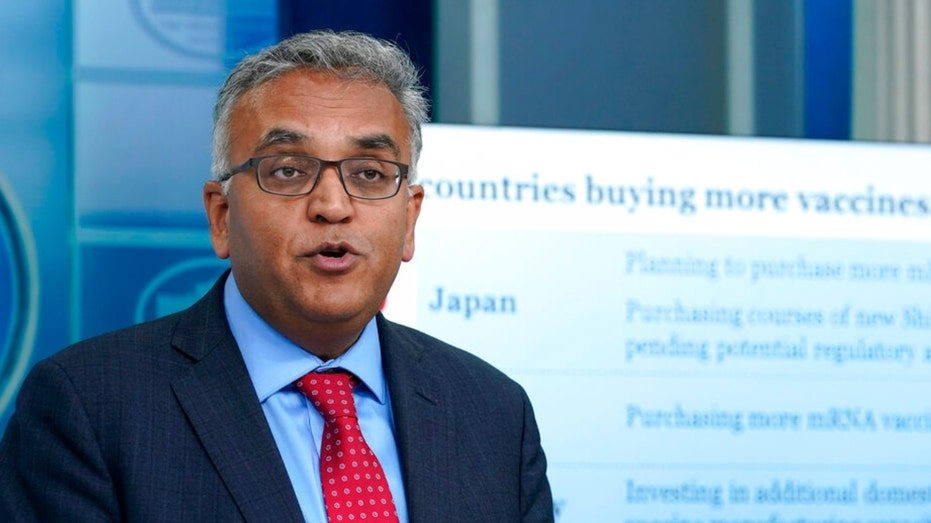
Former White House COVID-19 Response Coordinator Dr. Ashish Jha said Sunday during a CNN interview that he now believes the coronavirus pandemic most likely originated from a lab leak, a conclusion he said is based on evidence he reviewed during and after his time in the Biden administration.
Asked by Dana Bash of CNN about a social media post by commentator Jamie Metzl laying out the case for a lab origin, Jha said he largely agreed with it and confirmed that his thinking has changed since he first joined the administration. When he entered the White House, he said, his view was that the outbreak was almost surely natural, with a lab leak possible. He now describes a leak as more likely than natural transmission.
«Based on information I learned and based on information I have seen, I have come to conclude that it is more likely to have been a lab leak», Jha said. He added that no one in the United States knows for certain what happened and said the only people with the full answer are officials in China. «We still need transparency and accountability on that», he said.
Jha later posted a clip of the exchange on X and wrote that his view on COVID origins is not new and that he has held it since his time at the White House. He repeated that no one in America knows for sure and warned that anyone claiming certainty is misleading the public. He described any release of the virus as accidental, not engineered or deliberate, and said reasonable people can look at the same evidence and disagree.
The comments amount to a notable public position for a senior figure from an administration that faced sustained criticism over its handling of pandemic information. During the early months of the outbreak, the lab leak theory was widely disputed and was frequently labeled a debunked conspiracy theory. Many initial explanations centered on natural transmission, including from a Chinese wet market. Major news organizations, including CNN, MSNBC, The New York Times and The Washington Post, initially dismissed the lab leak idea before later coverage took a more open view, and the theory has since gained broader acceptance as a plausible explanation.
One of the most cited examples came from the public radio network NPR. In April 2020, NPR ran pieces on consecutive days rejecting the lab accident theory. One story was headlined «Scientists Debunk Lab Accident Theory of Pandemic Emergence», leaving many readers with the impression that the possibility had been ruled out. Watchdogs have since argued that such coverage deepened public distrust of the news media.
The pandemic also produced fights over online speech. The Biden administration was sued in a high-profile First Amendment case after officials pressured social media companies to remove or suppress posts that questioned official accounts of the pandemic. Under a settlement, the Office of the Surgeon General, the Centers for Disease Control and Prevention and the Cybersecurity and Infrastructure Security Agency are barred for the next decade from threatening or coercing platforms to take down protected speech. The agreement also prevents officials from directing or vetoing platform content decisions.
Media figures were divided as well. In one notable exchange, Jon Stewart pressed his former colleague Stephen Colbert over the reluctance of some commentators to take the lab leak possibility seriously. Stewart mocked the coincidence that the outbreak emerged in Wuhan, where the Wuhan Institute of Virology was based, and said experts at that lab should have faced tougher questions.
Many social media platforms also restricted claims about the lab leak under their COVID-19 misinformation policies during the first phase of the pandemic. The combination of early dismissal and content restrictions compounded a broader crisis of credibility for institutions that struggled to communicate with the public as the outbreak evolved.
The conclusion from Jha does not close the debate, but it gives additional weight to the lab leak hypothesis from someone who served at the highest level of the United States pandemic response. He said only Chinese officials can provide definitive answers and called for continued pressure on Beijing for transparency and accountability.