Politics 4 min read By Morgan Griffin
Arizona Gov. Katie Hobbs Set to Pick Republican John Giles as Running Mate
Arizona Gov. Katie Hobbs, a Democrat, is expected to choose John Giles, the Republican mayor of Mesa, as her lieutenant governor running mate in a striking cross-party alliance for the 2026 election.
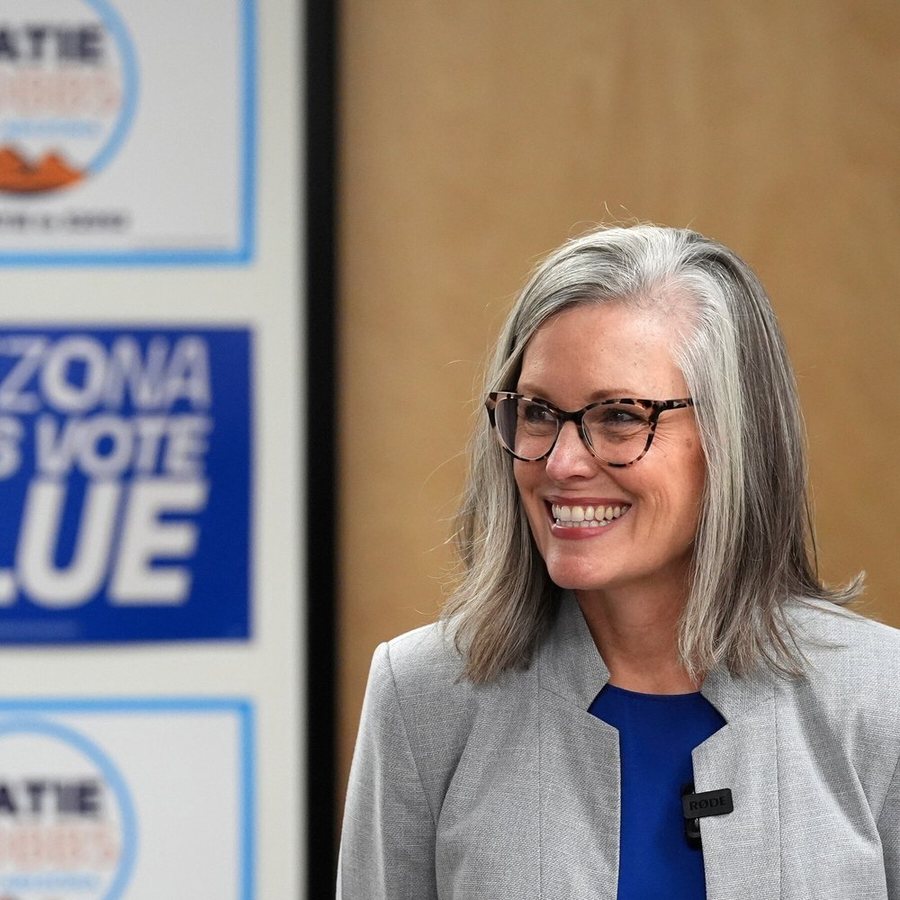
Arizona Gov. Katie Hobbs, a Democrat seeking a second term, is set to choose a Republican as her running mate for the 2026 election, an unusual cross-party move in one of the most closely watched battleground states in the country. Reports published Tuesday identify John Giles, the Republican mayor of Mesa, as the governor's likely pick for lieutenant governor on the Democratic ticket.
The selection was first reported by The New York Times and quickly corroborated by Arizona news organizations. The Arizona Republic described Giles as Hobbs' likely running mate, while the Arizona Daily Star reported that the governor had settled on a Republican for the post. An official announcement has not yet been made, and neither Hobbs nor Giles has publicly commented on the reports.
Giles is a longtime mayor of Mesa, one of Arizona's largest cities, and one of the most prominent moderate Republican voices in the state. He has crossed party lines before, most notably in 2024 when he endorsed Democratic presidential nominee Kamala Harris, a decision that drew sharp criticism from Republican activists. He has also been a vocal critic of former President Donald Trump, setting himself apart from much of his party's leadership. During his tenure, Giles has positioned Mesa as one of the fastest-growing cities in the region, but it is his willingness to break with Republican orthodoxy that has drawn the most attention.
The choice carries particular significance in Arizona because the state will use its newly created lieutenant governor office for the first time in this election cycle. Voters approved the creation of the office in 2022, making Arizona one of the last states in the country to establish the position. Until now, the secretary of state stood first in the line of succession to the governorship. Under the new arrangement, candidates for governor select their own running mates, giving Hobbs' decision an unusually direct impact on the future of the office.
Hobbs won the governor's race in 2022 by a narrow margin, and Arizona has since remained a focal point of national politics, with presidential elections in the state often decided by small vote counts. She was photographed at the polls on primary Election Day in Phoenix last month and now heads into a general election campaign in which Republicans are expected to concentrate significant resources on unseating her.
The decision to add a Republican to the Democratic ticket appears aimed at appealing to the moderate and independent voters who frequently decide Arizona elections. But it also carries risks. Some Democrats may be uncomfortable placing a Republican one step from the governorship, while Republicans who view Giles as disloyal could use the alliance to energize the party's base against Hobbs. Giles has defended a pragmatic approach to governing during his time as mayor and has shown a willingness to work with Democrats on local issues.
Details such as how Giles would appear on the ballot and whether he would formally remain a Republican while running on the Democratic ticket are expected to be clarified once the governor makes her announcement. For now, the likely pairing has already added a new dimension to Arizona's election year, illustrating how the state's competitive landscape continues to produce political alliances that cut across traditional party lines.