News 6 min read By Trevor Kendall
Trump removes remaining members of Election Assistance Commission ahead of midterms
President Trump has dismissed the remaining commissioners of the bipartisan Election Assistance Commission, a federal agency that aids state and local election officials with voting equipment certification and smooth election operations. The move raises concerns about the agency's ability to function during the upcoming midterm elections.
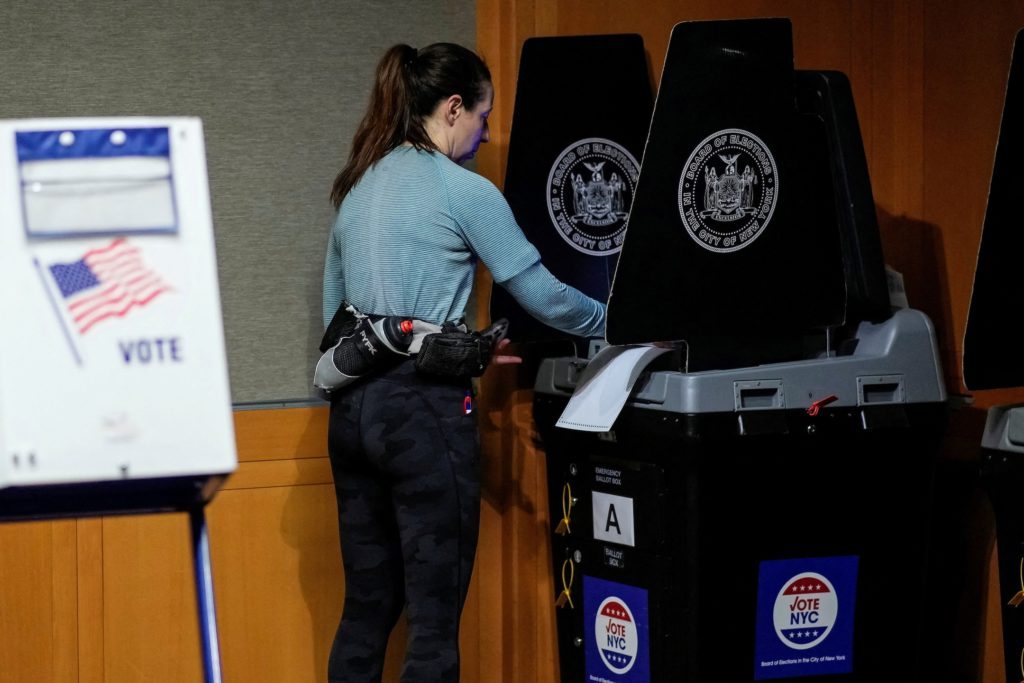
President Donald Trump has removed the remaining members of the Election Assistance Commission, a bipartisan federal agency that provides critical support to state and local election officials, including certifying voting equipment and helping administer smooth elections. The move, which comes as planning for the November midterm elections is well underway, has raised concerns about the agency's ability to fulfill its statutory duties and the potential impact on election administration across the country.
The Election Assistance Commission, established by the Help America Vote Act of 2002, is designed to operate as a nonpartisan body that assists states in improving election administration. It certifies voting systems, develops voluntary voting system guidelines, and serves as a clearinghouse for information on election practices. With the departure of its remaining commissioners, the agency now lacks a quorum, which could hinder its ability to make decisions on voting equipment certification and other essential functions.
White House correspondent Liz Landers reported that the dismissals are the latest in a series of actions by the Trump administration aimed at exerting greater control over the voting process. Critics argue that the removal undermines the independence of the commission and could lead to delays in certifying new voting machines or updating existing ones, potentially affecting the integrity and efficiency of the midterm elections. Supporters of the president, however, contend that the move is part of broader efforts to ensure election security and reduce federal overreach.
The commission had already been operating with a reduced number of commissioners due to previous vacancies. The latest firings leave the agency without any sitting commissioners, effectively paralyzing its decision-making capacity. This situation is particularly concerning given that many states are in the process of purchasing and certifying new voting equipment ahead of the November elections. Without the commission's guidance, states may face uncertainty about which systems meet federal standards.
Election experts have expressed alarm over the potential consequences. David Becker, executive director of the Center for Election Innovation and Research, noted that the commission plays a vital role in ensuring that voting systems are secure and reliable. He warned that the lack of a functioning commission could create confusion among state and local officials who rely on its certifications. Other observers have pointed out that the commission's work on developing voluntary guidelines for voting systems helps maintain consistency across states, which is especially important in a highly polarized political environment.
The timing of the dismissals has also drawn scrutiny. With the midterm elections just months away, election officials are already conducting preparations, including testing voting machines, training poll workers, and finalizing ballot designs. Any disruption to the commission's operations could compound the challenges faced by election administrators, who are already dealing with heightened security concerns and public skepticism about election integrity.
In response to the firings, Democratic lawmakers have called for investigations and urged the administration to reconsider. Senator Amy Klobuchar, a leading voice on election issues, described the move as an attempt to undermine the electoral process. She and other Democrats have introduced legislation to protect the commission's independence and ensure it can continue its work. Republicans, meanwhile, have largely defended the president's actions, arguing that the commission had become overly bureaucratic and that states are better equipped to handle election administration without federal interference.
The controversy over the Election Assistance Commission is part of a broader pattern of Trump administration actions affecting the voting process. In recent months, the president has also criticized mail-in voting and made unsubstantiated claims about widespread voter fraud. These actions have fueled debates about voting rights and election security, with both parties accusing the other of trying to manipulate the system for political gain.
As the midterm elections approach, the fate of the Election Assistance Commission remains uncertain. Without a quorum, the agency cannot certify new voting systems or update its guidelines, leaving states to navigate these issues on their own. Some states may choose to rely on previously certified equipment, while others could face legal challenges if they adopt systems that lack federal approval. The situation underscores the ongoing tensions between federal oversight and state control in election administration, a dynamic that is likely to persist regardless of the outcome of the November elections.