News 4 min read By Trevor Kendall
Pennsylvania Officials Review Bryce Harper Video Sent to FanDuel Bettor With Gambling Addiction
The Pennsylvania Gaming Control Board is reviewing a personalized video from Philadelphia Phillies star Bryce Harper sent to a FanDuel user who claims to have lost $1.5 million due to a gambling addiction, as part of a broader lawsuit against the sportsbook.
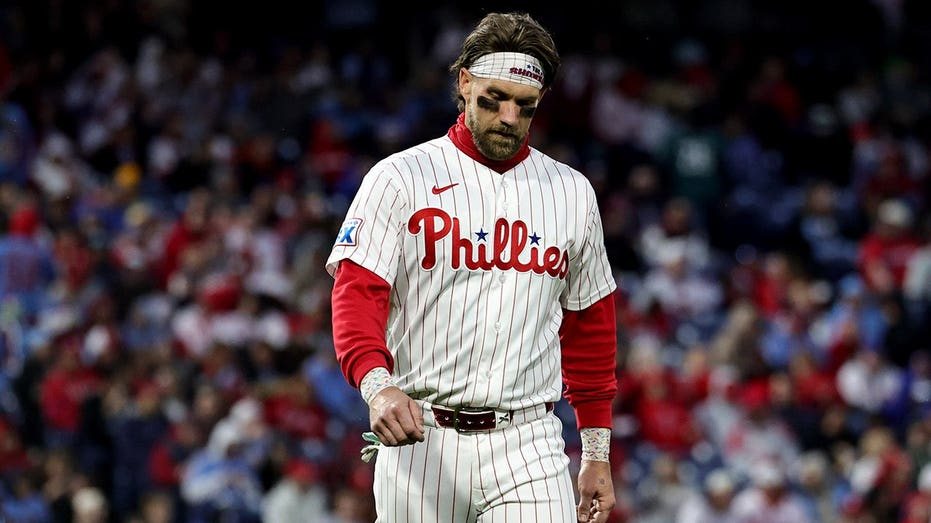
The Pennsylvania Gaming Control Board has launched a review of a personalized video message from Philadelphia Phillies star Bryce Harper that was sent to a FanDuel user who says he struggled with a gambling addiction. The video, acquired by FanDuel through the celebrity shoutout platform Cameo, where Harper charges $899 per message, was delivered to Terry Thompson, a source familiar with the matter confirmed to Fox News Digital. Thompson, who lost $1.5 million gambling and faced foreclosure on his home, has filed a lawsuit accusing FanDuel and DraftKings of enabling his addiction through promotional offers and gifts.
Thompson’s legal action details how he hid his gambling from loved ones and contemplated suicide before voluntarily checking into a psychiatric facility for six days, where he was formally diagnosed with a gambling addiction disorder. The lawsuit claims that FanDuel’s VIP host, Bryttani Morgan, provided Thompson with Super Bowl tickets, hotel accommodations, and other luxuries to encourage continued betting on the platform. While the Harper video is not mentioned in the suit, its existence has drawn scrutiny from regulators.
Doug Harbach, a spokesperson for the Pennsylvania Gaming Control Board, confirmed the review on Friday, stating, «We are aware of the situation and are reviewing it. I can’t comment beyond that at this juncture.» The board’s involvement underscores growing concerns about the intersection of sports marketing and gambling addiction, particularly as online sports betting expands across the United States.
According to the lawsuit, Thompson’s VIP host suggested a «timeout» after a rough betting stretch but soon contacted him about an «emergency» — a FanDuel offer of a Super Bowl LVII gift package. The package included two tickets to the game in Arizona, free hotel accommodations, tickets to FanDuel and Sports Illustrated Super Bowl parties, and transportation. The suit alleges that after accepting these perks, Thompson continued losing large sums on the FanDuel Sportsbook App, while Morgan supplied him with free tickets to Philadelphia sporting events and betting credits.
FanDuel responded to the review by emphasizing its commitment to responsible gaming. A spokesperson said, «Unlike illegal offshore sportsbooks, FanDuel employees are trained to recognize and flag signs of problem gambling and offer resources and tools, and we continue to review and strengthen our policies to ensure we have the industry’s strongest consumer protection initiatives.» When asked whether Thompson was offered such resources, his attorney pointed to the suggested «break» as evidence of limited intervention.
Harper, who does not have an endorsement deal with FanDuel, has not publicly commented on the situation. The case highlights the broader challenges facing the sports betting industry, where promotional tactics aimed at high-volume bettors can clash with responsible gaming practices. Thompson’s lawsuit seeks to hold FanDuel and DraftKings accountable for what he describes as a systematic effort to exploit his addiction for profit.
The review by Pennsylvania officials adds a regulatory dimension to the legal battle, potentially influencing how sportsbooks interact with vulnerable customers. As the industry grows, with billions wagered annually, the balance between marketing and consumer protection remains a contentious issue. The outcome of this review could set precedents for how states oversee promotional practices tied to gambling addiction.