News 5 min read By Morgan Griffin
Nicholas Kristof says he has no plans to seek office again amid disclosure issues and unused campaign funds
New York Times columnist Nicholas Kristof states he has no intention of running for office again, following criticism over undisclosed campaign donor connections and questions about nearly $890,000 in unused campaign funds held by a PAC controlled by his wife.
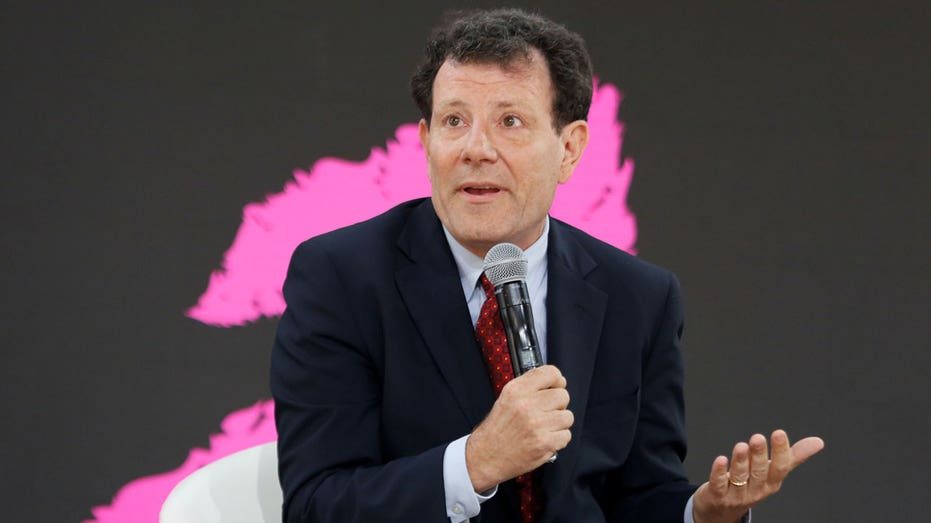
New York Times columnist Nicholas Kristof has stated that he has «zero plans» to seek elected office again, amid ongoing scrutiny over his failure to disclose that subjects of his columns had donated to his 2021 campaign for governor of Oregon and questions about nearly $1 million in unused campaign funds. Kristof, who briefly left the Times to run as a Democrat for governor, returned to the newspaper in 2022 after being deemed ineligible due to Oregon’s three-year residency requirement. The controversy has raised concerns about journalistic ethics and the handling of political donations by a prominent media figure.
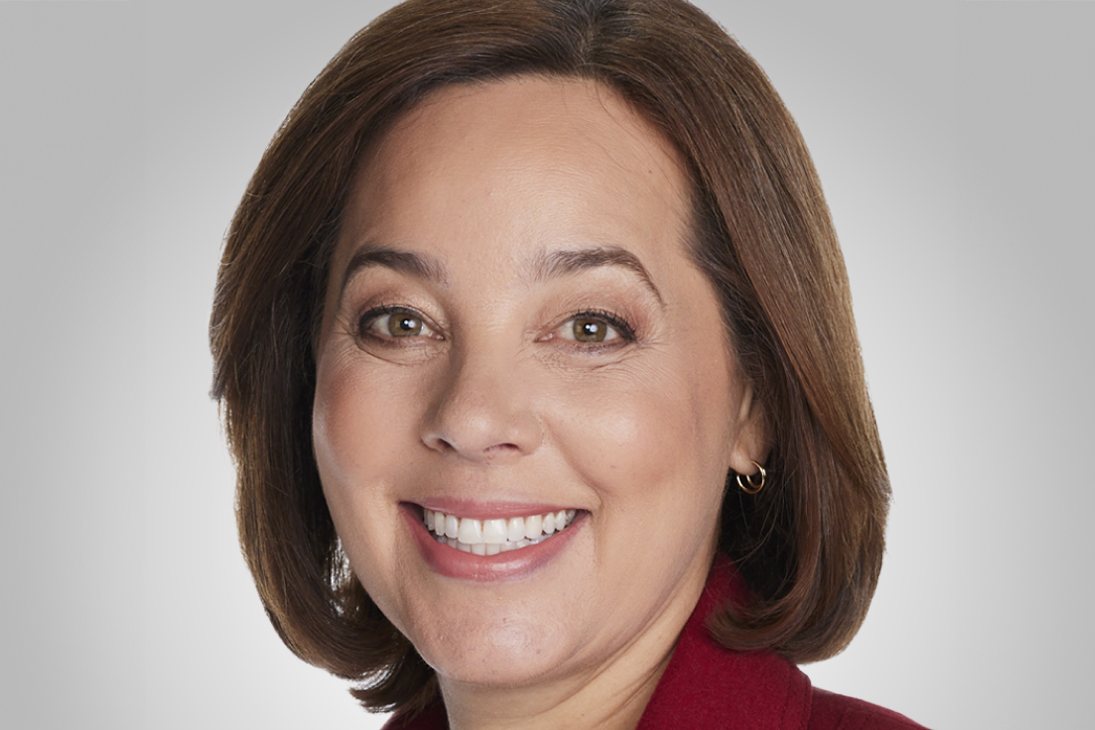
Kristof’s short-lived gubernatorial bid raised significant funds, but after he was disqualified, he transferred approximately $1 million from his campaign account into a new political action committee named Oregon Strong, which is run by his wife, Sheryl WuDunn. According to records from the Oregon Secretary of State, the PAC received a deposit of $992,031 on August 3, 2022. Since then, the only notable expenditures have been a $100,000 donation to Vision to Learn in 2023 and a $2,000 donation to A Progressive Voice for Oregon in 2024. The remaining balance, nearly $890,000, appears to be untouched, with no activity since 2024. This has led to questions from political watchdogs about whether Kristof intends to run for office again and how this arrangement aligns with his role at the Times.
The New York Times Ethical Journalism Handbook prohibits staff members from engaging in activities that might raise questions about their journalistic fairness and independence, including campaigning for candidates or endorsing political figures. Kristof’s situation has drawn particular attention because of a Semafor report that revealed he failed to disclose that some individuals he wrote about in his columns had donated to his campaign. In response, the Times conducted an internal review and added editors’ notes to nine of Kristof’s columns, stating that they failed to disclose that Larry Gilson, the chairman of Focusing Philanthropy, donated to Kristof’s campaign in 2021. A Times spokesperson confirmed that the review is now complete, but declined to provide further details about the findings.
Kristof has defended his actions, noting that an independent press ethics expert reviewed his conduct and found it ethical. He also distanced himself from the Oregon Strong PAC, stating that he has not been involved with it since 2022 and was unaware of a donation made in 2024. «This issue has been raised only to attack me for an article I wrote recently about Palestinians being raped in Israeli prisons,» Kristof told Fox News Digital. He added that he has «zero plans to ever seek elective office.» However, critics remain skeptical. A senior Republican political operative described the situation as a clear ethical violation, saying, «The fact pattern makes clear that Nick Kristof used his column to generate PR for his political donors, without disclosing it. Now it's clear he's keeping these donors’ money in violation of his and the New York Times pledge.»
The controversy is further complicated by Kristof’s recent opinion piece about alleged sexual abuse of Palestinians in Israeli prisons, which drew sharp criticism from Israeli officials and some media watchdogs. The Israeli government has promised legal action over the column, which included claims that dogs were trained to sexually assault Palestinians. Kristof has argued that the criticism of his disclosure issues is a direct result of backlash against that article. Despite his assurances, political insiders suggest that the pattern of behavior—maintaining a PAC with significant funds and ties to donors he has written about—could provide a path for a future political run, especially if he maintains Oregon residency.
The New York Times has not commented on the unused campaign funds or the PAC’s activities, but the situation underscores ongoing tensions between journalistic ethics and political involvement. As Kristof continues to write for the Times, the questions about his past disclosures and the fate of the campaign money are likely to persist, with watchdogs and critics calling for greater transparency.