News 4 min read By Trevor Kendall
Iran begins funeral ceremonies for late Supreme Leader Khamenei
Iran has begun funeral ceremonies for its late Supreme Leader Ayatollah Ali Khamenei, with officials expecting millions to attend the dayslong state funeral in Tehran.
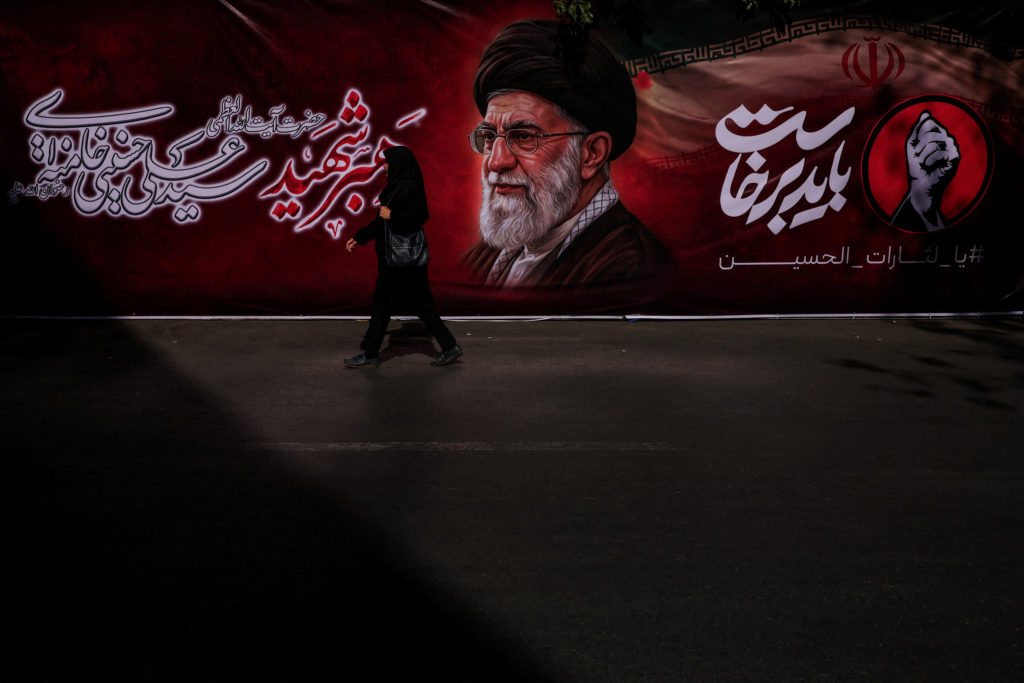
Iran has commenced funeral ceremonies for its late Supreme Leader Ayatollah Ali Khamenei, with state media reporting that millions of mourners are expected to participate in the dayslong event. The ceremonies began Friday in Tehran, where senior Iranian leaders and foreign dignitaries gathered to honor the cleric who led the country for decades.
Khamenei, who died months ago in an operation attributed to the United States and Israel, is being given a state funeral that organizers say could draw between 15 and 20 million people. The scale of the event reflects his central role in Iranian politics and society since assuming the supreme leadership in 1989.
The funeral processions are taking place across multiple cities, with the main ceremonies centered in the capital. Security forces have been deployed in large numbers to manage the crowds, and roads around key government buildings and religious sites have been closed to traffic. State television has been broadcasting live coverage of the events, showing mourners carrying portraits of Khamenei and chanting slogans.
Foreign dignitaries from allied nations have arrived in Tehran to pay their respects, though Western governments have largely sent low-level diplomatic representatives. The United States and Israel, which were blamed for Khamenei's death, have not been officially represented at the ceremonies. The Biden administration has maintained a policy of non-engagement with Iran's leadership following the incident.
The succession of power in Iran remains a subject of intense speculation. Khamenei's son, Mojtaba Khamenei, who was reportedly injured in the same operation that killed his father, will not attend the funeral, according to sources close to the family. This has raised questions about the future leadership of the Islamic Republic, as Mojtaba had been widely seen as a potential successor.
The funeral comes at a time of heightened tensions in the Middle East. Iran has blamed the United States and Israel for the assassination, and there have been calls within the country for retaliation. The Iranian military has been placed on alert, and there are concerns that the situation could escalate into a broader conflict. The international community has urged restraint, with the United Nations calling for calm and dialogue.
In other news, Venezuela has confirmed hundreds more deaths following last week's earthquakes, raising the total casualty count significantly. Rescue efforts are continuing in the affected regions, with international aid beginning to arrive. Egypt celebrated a historic victory in the World Cup, winning its first-ever knockout round match. New York is preparing for the expected wedding of pop star Taylor Swift and NFL player Travis Kelce, which has generated significant media attention. Meanwhile, London's National Archives announced the discovery of a rare copy of the Declaration of Independence, which historians are calling a major find.
The funeral ceremonies for Khamenei are expected to last several days, culminating in his burial at a shrine in Tehran. The event is being closely watched by analysts and governments around the world, as it marks a pivotal moment in Iran's modern history. The transition of power, the potential for internal political shifts, and the impact on regional stability are all factors that will shape the coming weeks and months.