
News 6 min read By Trevor Kendall
Extreme Heat Forces Postponement of America 250 Celebration at Great American State Fair
A heat wave in Washington, D.C., forced the postponement of the Great American State Fair, part of the America 250 celebration, after multiple attendees fainted. Visitors expressed mixed reactions, with some frustrated by the closure and others emphasizing the importance of safety amid extreme temperatures.
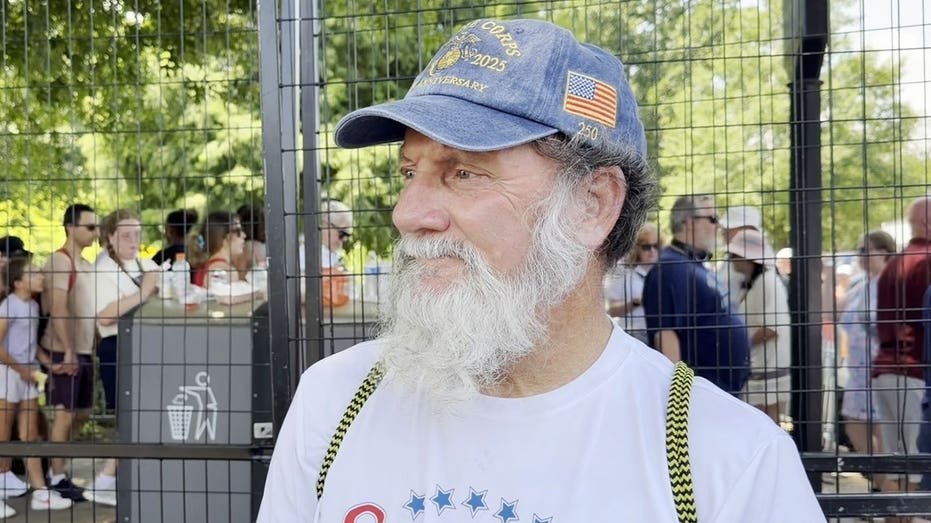
The Great American State Fair, a centerpiece of the nation’s 250th anniversary celebrations, was postponed Saturday after multiple people fainted on Friday amid scorching temperatures in Washington, D.C. The event, which drew thousands of visitors to the capital for Independence Day festivities, faced medical emergencies that required onsite attention, prompting organizers to temporarily close the fairgrounds. The fair reopened later Friday evening but was postponed again on Saturday as extreme heat continued to pose health risks.
Attendees who traveled from across the country shared their experiences with Fox News Digital, expressing a mix of disappointment and resilience. Whitney Thomas, a mother from North Carolina who brought her 9- and 10-year-old children, said her family enjoyed the fair on Thursday evening and planned to wait out the heat in nearby museums until the gates reopened. «I wanted my kids to be able to experience this with us,» she said, reflecting on the significance of the celebration. Despite the weather-related setback, Thomas emphasized her gratitude: «We are so blessed to live in the best country in the world.»
Not all visitors were understanding of the decision. Brad Shultis, a retired Marine from Stafford, Virginia, expressed frustration over the halt to festivities. «You cannot tell me that America was won by shutting things down when it gets hot,» he told Fox News Digital. «It gets hot and we shut it down because it's hot? Who cares? If it's too hot, stay home.» Shultis noted that he drove to Springfield and took the Metro only to be turned away after buying lunch. He questioned the logic of closing a celebration of America’s 250th anniversary, arguing that individuals who find the weather too hot should stay home or seek medical help rather than forcing a mass evacuation for those who invested time and money to attend.
Others took a more measured view. Wendy Lamb, who traveled eight hours from Connecticut with her family to support her state’s booth, acknowledged that organizers were likely concerned about the intense conditions and wanted to prevent suffering. While disappointed that her home state did not send official representation due to budget issues, Lamb and her group refused to let the heat ruin their first trip to Washington, D.C. «We’ve had a really, really fun time so far,» added John, another member of the group. He said they planned to navigate the heat by moving from museum to museum and using the Metro system to stay cool until the fair reopened.
For many, the emotional weight of the occasion overshadowed the inconvenience. Pat Lamb, who fanned her face to stop tears as she described her pride for the nation, said, «I mean we are so fortunate we are free, and yet we have people out there that hate our country... it's very emotional.» The decision to close the fairgrounds aligns with severe weather protocols designed to prevent mass casualty medical events. According to the Centers for Disease Control and Prevention, extreme heat can quickly impair the body’s ability to cool itself, causing internal temperatures to rise faster than they can dissipate. When exposure to extreme conditions triggers a heat-related illness, symptoms can escalate rapidly from heat exhaustion—marked by heavy sweating, dizziness, nausea, and fainting—to a life-threatening medical emergency.
The most severe risk is heat stroke, which occurs when the body’s cooling mechanism fails entirely, potentially driving core body temperatures to 103°F or higher within minutes. To prevent severe complications like permanent organ damage or death, the CDC advises that anyone exhibiting warning signs such as confusion, slurred speech, or loss of consciousness should receive immediate medical treatment. Public health officials urge individuals in high-heat environments to seek shade, stay heavily hydrated, and identify air-conditioned cooling centers.
The Great American State Fair was part of broader America 250 celebrations marking the nation’s semiquincentennial. The event aimed to showcase state pride and unity through exhibits, food, and cultural displays from across the country. The heat-related postponements highlight the growing challenges posed by extreme weather events, which research suggests are becoming more frequent and intense. A recent study indicated that heart attacks and strokes are rising with extreme weather events, underscoring the importance of safety protocols at large public gatherings.
Despite the disruptions, many attendees remained determined to enjoy their time in the capital. The group from Connecticut, including Wendy and Pat Lamb, planned to continue exploring museums and landmarks, including the U.S. Capitol and the Rotunda. For them, the setback was minor compared to the emotional significance of the occasion. As Pat Lamb noted, the pride she felt for the nation was overwhelming, even as she fanned away tears. The fair’s postponement served as a reminder of the delicate balance between celebration and safety in an era of rising temperatures.