News 5 min read By Trevor Kendall
DHS Watchdog Finds Corey Lewandowski May Have Improperly Awarded Contracts, Weighs Criminal Referral
The Department of Homeland Security's Office of Inspector General has found evidence that Corey Lewandowski may have improperly awarded government contracts and is considering referring the case to the Justice Department for potential prosecution.
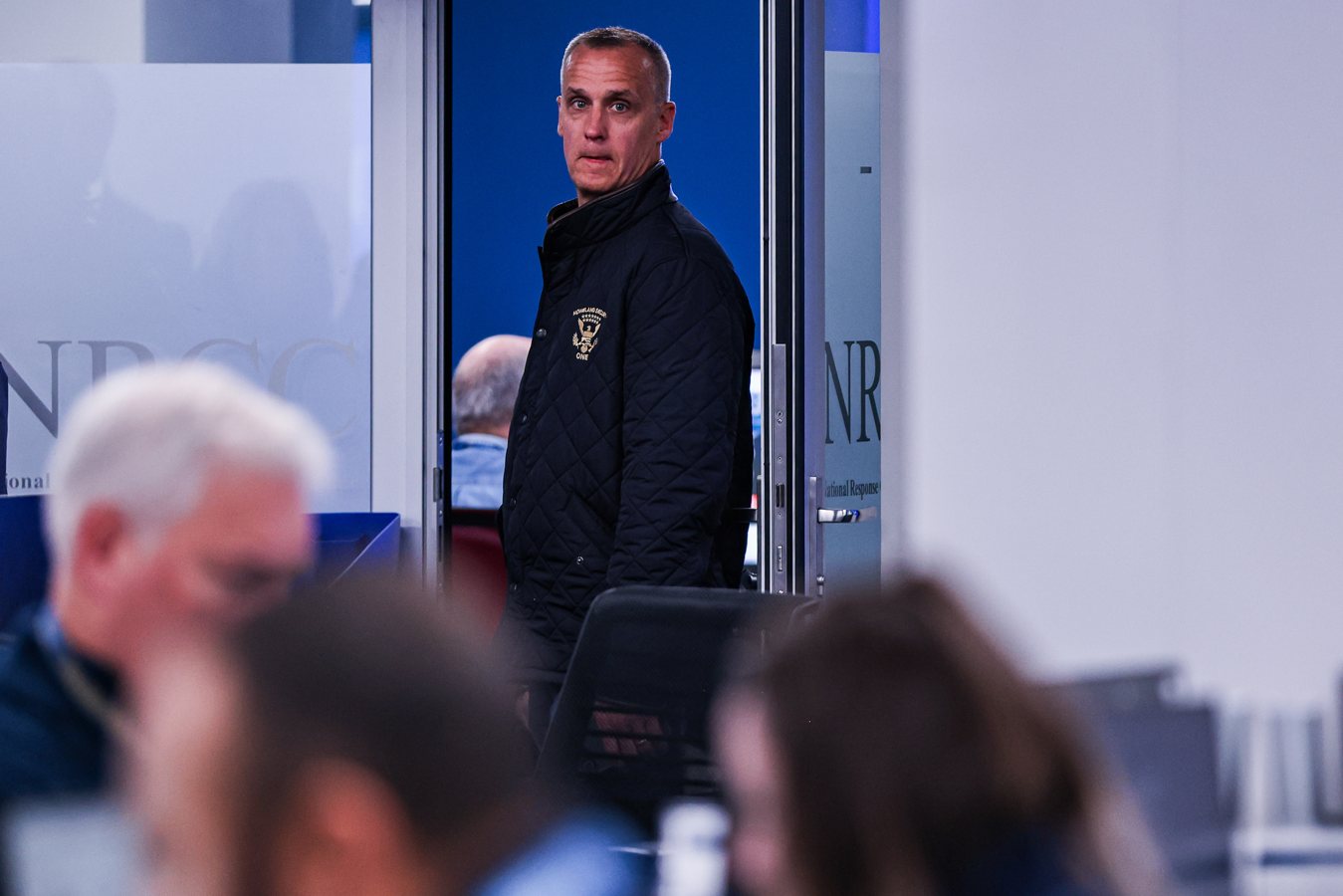
The Department of Homeland Security's Office of Inspector General has uncovered evidence that Corey Lewandowski, a former senior DHS official and longtime ally of President Donald Trump, may have been involved in improperly awarding government contracts. According to a report from the Wall Street Journal, the watchdog is now weighing whether to send a criminal referral to the Justice Department for potential prosecution.
The investigation, conducted by the DHS OIG, focused on Lewandowski's role in contract awards during his tenure at the department. While specific details of the contracts in question have not been publicly disclosed, the probe suggests that Lewandowski may have violated federal procurement rules designed to ensure transparency and fairness in government spending. The potential referral to the Justice Department would mark a significant escalation, as it could lead to formal criminal charges.
Lewandowski, who served as a senior adviser to DHS Secretary Kristi Noem, has been a prominent figure in conservative politics for years. He first gained national attention as Trump's 2016 campaign manager and later held various roles in the Trump administration. His appointment at DHS in 2025 was seen as a move to align the department more closely with the White House's immigration and security priorities. However, the inspector general's findings now threaten to overshadow his tenure.
The DHS OIG's decision to consider a criminal referral underscores the seriousness of the allegations. Federal contracting rules are strictly enforced to prevent conflicts of interest, favoritism, and waste of taxpayer money. If the case is referred to the Justice Department, prosecutors would determine whether there is sufficient evidence to bring charges, which could include fraud, bribery, or other offenses related to the improper awarding of contracts.
Lewandowski has not publicly commented on the investigation, and his legal representatives have not responded to requests for comment. The DHS OIG has also declined to provide additional details, citing the ongoing nature of the probe. The Wall Street Journal's report, published Friday, cited sources familiar with the matter who said the inspector general's office is in the final stages of its review.
This development comes amid broader scrutiny of contract awards within the Department of Homeland Security. In recent years, the DHS OIG has identified several instances of mismanagement and potential misconduct in procurement processes, leading to calls for reform from lawmakers on both sides of the aisle. The investigation into Lewandowski is the highest-profile case to emerge from these efforts.
The potential criminal referral also adds to the legal challenges facing Trump allies in the current administration. Several former and current officials have been investigated for various alleged violations, though few have resulted in prosecution. The outcome of the DHS OIG's review could set a precedent for how such cases are handled in the future.
For now, the focus remains on the inspector general's findings and whether the Justice Department will take up the case. If a referral is made, it would initiate a separate federal investigation that could take months or even years to resolve. In the meantime, the DHS OIG is expected to release a formal report detailing its conclusions, which could include recommendations for policy changes to prevent similar issues.
The news has already sparked reactions from political observers and ethics watchdogs, who argue that the case highlights the need for greater oversight of government contracting. Some have called for a full congressional inquiry into DHS procurement practices, while others have urged the Justice Department to act swiftly if a referral is made.
As the situation unfolds, the integrity of federal contracting processes remains a central concern. The DHS OIG's investigation into Corey Lewandowski serves as a reminder of the importance of accountability in government, particularly when it comes to the use of taxpayer funds. Whether this case leads to criminal charges or simply results in administrative reforms, it has already drawn attention to the complexities of procurement oversight in the nation's security apparatus.