News 5 min read By Mason Emerson
ABC Accuses FCC of Retaliatory Motive in Early License Review
ABC's legal team told a federal judge that the FCC's decision to order early license renewal proceedings, rather than less intrusive options, underscores a retaliatory motive. The network is seeking to halt the review.
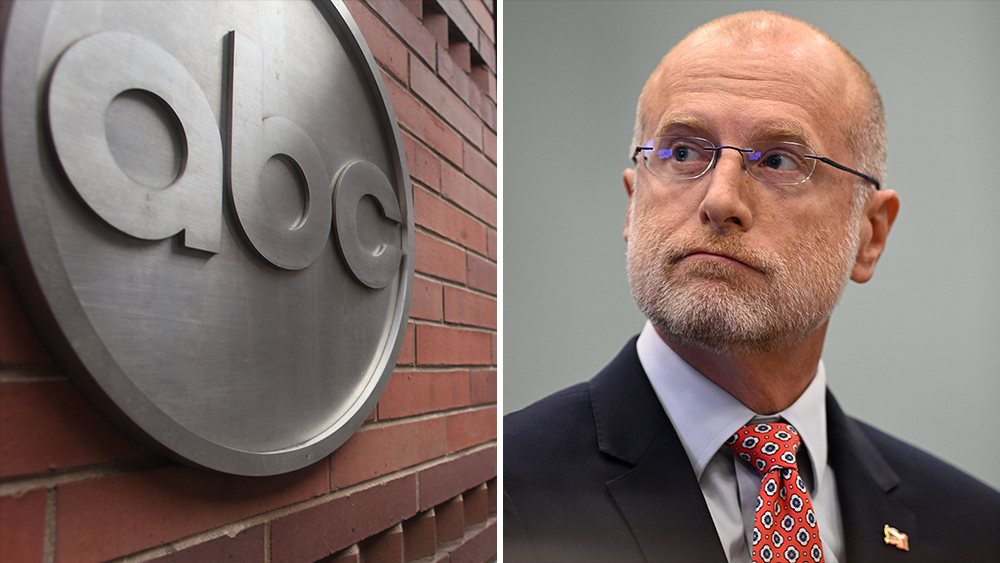
ABC's legal team argued in federal court on Monday that the Federal Communications Commission's decision to order the network to submit its station licenses for early renewal, instead of pursuing less drastic alternatives, reveals a retaliatory motive behind the agency's actions. The network has asked a federal judge to halt the license review proceedings, contending that the move is an improper attempt to punish ABC for its programming.
The dispute centers on the FCC's unusual step of pulling ABC's licenses for review ahead of the standard renewal cycle. According to ABC's lawyers, the agency had a range of less intrusive options available — such as issuing a warning, opening a narrower inquiry, or waiting for the regular renewal period — but instead chose the most aggressive path. That choice, they told the judge, only underscores «their retaliatory motive.»
ABC's request for a halt is part of a broader legal challenge to the FCC's authority to single out the network for early review. The network argues that the commission's action was prompted by displeasure with ABC's content, including its news coverage and commentary, rather than any legitimate regulatory concern. The FCC has not publicly commented on the specific allegations of retaliation, but it has defended its right to review license applications and renewals.
The case has drawn attention because it touches on the intersection of media regulation, free speech, and political pressure. Broadcast licenses are typically renewed every eight years, and early renewal proceedings are rare. Legal experts say the FCC's decision to expedite ABC's review could set a precedent for how the agency treats broadcasters whose programming draws the ire of government officials.
ABC's legal team is seeking an injunction that would pause the license review while the lawsuit proceeds. If the judge grants the request, the FCC would be barred from continuing its examination of ABC's licenses until the broader legal questions are resolved. If the request is denied, the review could move forward, potentially putting ABC's station licenses at risk.
The network has argued that the FCC's actions are part of a pattern of retaliation against media outlets that have been critical of the current administration. ABC is not the only broadcaster to face heightened scrutiny, but its case is among the most prominent because of the network's size and reach. The outcome could influence how other broadcasters respond to regulatory pressure.
In court on Monday, ABC's attorneys focused on the procedural irregularities of the FCC's order. They noted that the commission bypassed standard steps that would have allowed for a more measured review, and they argued that the expedited process was designed to inflict maximum damage on the network. The judge did not immediately rule on the request for a halt, and it is unclear when a decision will be issued.
The FCC has previously stated that its review of ABC's licenses is routine and not politically motivated. However, ABC's legal team pointed to public statements and timing that they say suggest otherwise. The network is seeking to have the license review declared unlawful and stopped before it can proceed further.
The case is being watched closely by media industry observers, who see it as a test of the FCC's independence and the limits of its power over broadcasters. If ABC succeeds, it could discourage the agency from using early license reviews as a tool against networks whose content it dislikes. If the FCC prevails, it could embolden the agency to take similar actions in the future.
ABC's lawsuit is ongoing, and no final decision has been reached. The network continues to seek a preliminary injunction to halt the review while the case moves through the courts. The judge's ruling on that request is expected in the coming weeks.
20