Culture 4 min read By Mason Emerson
Street Fighter Returns to the Big Screen With a Cast of WWE Stars and UFC Champions
Paramount and Legendary's live-action Street Fighter movie brings the arcade fighting franchise back to theaters, set in the 1990s and built around a worldwide tournament featuring wrestlers, mixed martial artists, and celebrities as the game's iconic fighters.
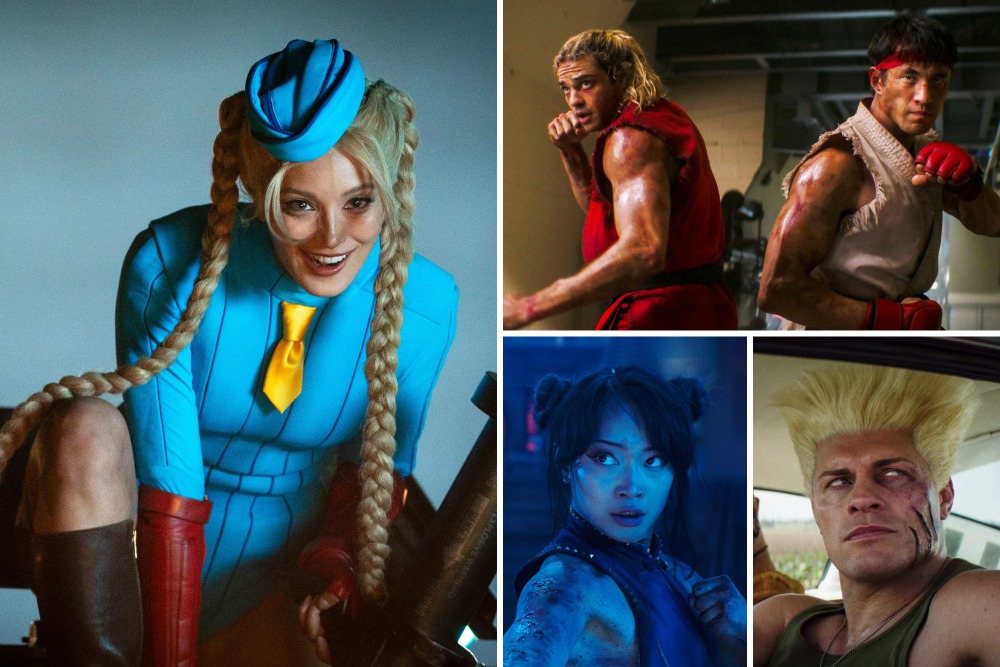
Street Fighter is back in theaters for a new live-action take on the fighting game series that began in arcades in the 1980s and has remained a fixture of video game culture for four decades. Paramount and Legendary's film places its story in the 1990s and centers on a worldwide fighting tournament that draws challengers from across the globe, according to a cast guide published by Variety.
The production leans heavily on performers with real combat and athletic backgrounds, assembling a roster that includes WWE stars, UFC champions, and established Hollywood names to portray the game's recognizable fighters. That casting approach reflects how the film treats the source material: the tournament premise depends on physical credibility, and the movie's ensemble is built to supply it.
The new Street Fighter arrives during a busy stretch for video game adaptations. The same year delivered Mortal Kombat II, another film based on a classic fighting franchise, and the two releases have invited direct comparisons about which game-to-screen translation works better. The overlap is not accidental. Both properties emerged from the same arcade era and share a fan base that judges adaptations by how faithfully they reproduce the characters, moves, and competitive spirit of the original games.
Street Fighter's commercial performance is being watched closely. The film opened to roughly $30 million domestically after a $12.5 million Friday, including previews, across 3,575 theaters, landing at the lower end of expectations. The weekend faced limited competition from other major releases, with only one MLB playoff game between Tampa Bay and Cleveland drawing sports audiences, leaving room for family traffic to build through Saturday.
Critical and fan discussion has focused on the movie's ending, which deliberately avoids a simple answer to who actually wins the tournament. That choice sets the film apart from conventional sports-movie conclusions and has generated its own conversation online, with viewers debating what the unresolved outcome means for the characters and for any potential continuation.
The broader context is a market that has grown more receptive to game adaptations. Once treated as a reliable source of critical failure, video game movies have recently found larger audiences and more serious treatment from studios. Street Fighter enters that landscape with a recognizable brand, a period setting that distinguishes it from contemporary action films, and a cast designed to appeal to both longtime players and viewers who have never picked up a controller.
For the franchise's fans, the film represents the latest attempt to translate a property defined by one-on-one competition into a narrative feature. The original games built their following on character selection and matchups rather than plot, which makes the casting of fighters, wrestlers, and celebrities a central creative decision rather than a marketing afterthought. Whether that approach satisfies players and general audiences alike will shape how the movie is remembered alongside earlier Street Fighter adaptations and the current wave of game-inspired cinema.
4