Culture 4 min read By Morgan Griffin
South Africa Revives Film Rebate, Says Industry Is 'Back in Business'
South Africa's long-stalled film production rebate is operational again after more than two years of paralysis, with a government official telling the Durban FilmMart that the industry is ready to restart.
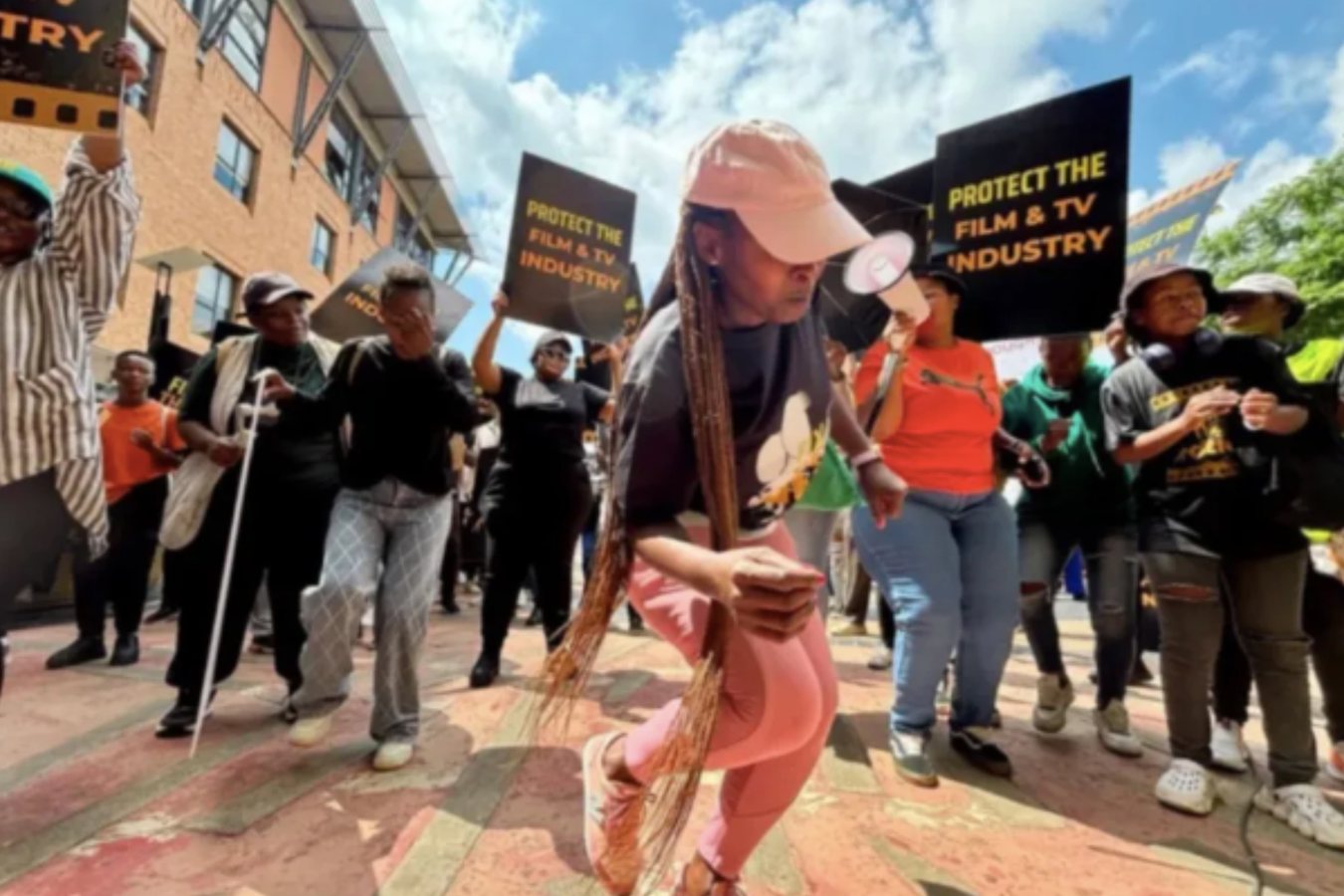
South Africa's film and television production rebate is functioning again after more than two years of paralysis that crippled the country's screen industry, a senior government official said this week at the Durban FilmMart.
Nelly Molokoane, director of film and television production at the Department of Trade, Industry and Competition, told industry attendees that the incentive program — which had for all intents and purposes ceased to operate — has been rescued. The message to producers was blunt: the country is «back in business.»
The rebate's collapse had been a slow-motion disaster for South African producers, who rely on the incentive to compete for international shoots and to finance local productions. For more than two years, the program's paralysis left filmmakers unable to claim funds they had been promised, stalled productions and pushed work to other territories with more reliable incentives.
Molokoane's remarks at the Durban FilmMart, a key gathering for African film professionals, mark the first clear signal that the backlog and administrative breakdown have been addressed. The event brings together producers, financiers and distributors from across the continent and beyond, making it a natural venue for the government to reassure an industry that had lost confidence in the program.
The rebate is central to South Africa's appeal as a production destination. It has drawn major international film and television shoots to the country, supporting jobs for crew members, service companies and post-production facilities. When the program stopped functioning, that pipeline of work dried up, and producers warned that the damage would take years to reverse.
Details of how the backlog will be cleared and when producers can expect payments were not fully outlined, but the official's public confirmation that the program is operational again is a significant step. For an industry that had been waiting for clarity, the announcement offers a concrete reason to restart planning and bidding for new projects.
The timing matters. South Africa competes with other African and international locations that have strengthened their own incentive programs in recent years. A functioning rebate gives the country a tool to win back productions that had moved elsewhere, and it gives local producers a basis for financing that had been unavailable during the shutdown.
Producers at the Durban FilmMart responded with cautious optimism, according to the official's account, which framed the fix as a rescue of a program that had been allowed to drift. The phrase «back in business» was intended as a signal to both domestic and international partners that South Africa is open for production again.
What remains to be seen is whether the administrative machinery can handle the volume of claims that accumulated during the freeze. Producers will be watching closely for payment timelines and for evidence that the program can operate without the delays that caused the crisis. For now, the industry has moved from paralysis to possibility, with the government's own film office leading the message that the nightmare is over.
39