
Culture 3 min read By Morgan Griffin
Rintaro Returns to Korea After 17 Years for Busan’s Japanese Animation Special
The 31st Busan International Film Festival has unveiled a 13-film Japanese Animation Special program, marking animation master Rintaro's first visit to Korea in 17 years. The lineup spans a century of Japanese animation history, mixing formative classics with works from four next-generation directors.
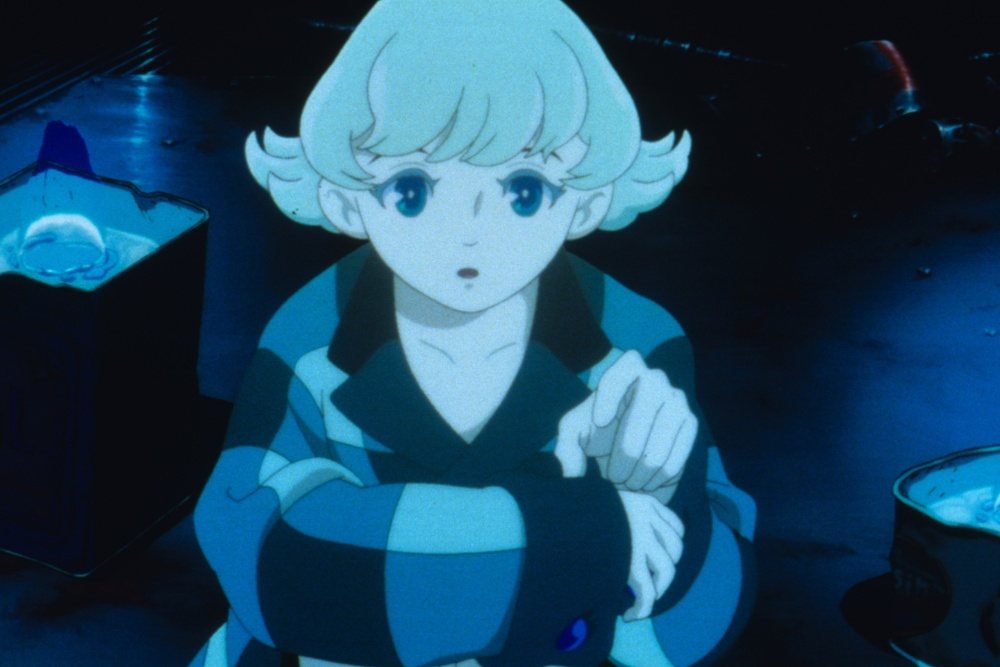
The 31st Busan International Film Festival (BIFF) has unveiled a 13-film Japanese Animation Special program, marking the first Korea visit in 17 years for animation master Rintaro alongside four next-generation directors. Billed as a Special Program in Focus, the lineup puts a spotlight on Japan’s animation history across a full century, mixing formative classics with contemporary works.
Rintaro, whose career spans decades and includes landmark titles such as «Galaxy Express 999» and «Metropolis,» will attend the festival in person, making his return to Korean shores after nearly two decades. His presence anchors a program designed to trace the evolution of Japanese animation from its early foundations to the present day, offering audiences a comprehensive look at an art form that has become a global cultural force.
The selection pairs historical milestones with fresh voices, reflecting BIFF’s commitment to presenting animation as a serious and vital part of cinema. The four next-generation directors included in the program represent the current wave of Japanese animation, bringing new techniques and storytelling approaches that build on the legacy of pioneers like Rintaro.
Busan’s decision to dedicate a special focus to Japanese animation underscores the festival’s role as a major platform for Asian cinema. Over its three decades, BIFF has consistently championed genre and animation programming, recognizing the medium’s growing influence on both regional and international film industries. The Japanese Animation Special continues that tradition by offering both retrospectives and premieres that highlight the breadth of the country’s animated output.
The program’s centennial framing is particularly significant, as it acknowledges the deep history of Japanese animation while also looking forward. By bringing together established masters and emerging talents, BIFF aims to show how the medium has evolved technically and thematically, from hand-drawn classics to digitally enhanced productions that push the boundaries of visual storytelling.
For Korean audiences, the special program also serves as a cultural bridge between two neighboring countries with intertwined cinematic histories. Japanese animation has long enjoyed a dedicated following in Korea, and Rintaro’s visit is expected to draw significant attention from fans and industry professionals alike. The festival runs as scheduled, with the Japanese Animation Special set to be one of its most anticipated sections.
58