Culture 3 min read By Mason Emerson
Peruvian Filmmaker Sami Hawka Explores Polyamory and Indigenous Resistance in 'While Everything Falls'
Peruvian filmmaker Sami Hawka is developing a feature film set in a fictionalized dictatorship where the right to love becomes an act of resistance. The film explores polyamory, Indigenous rights, and how power oppresses in different ways.
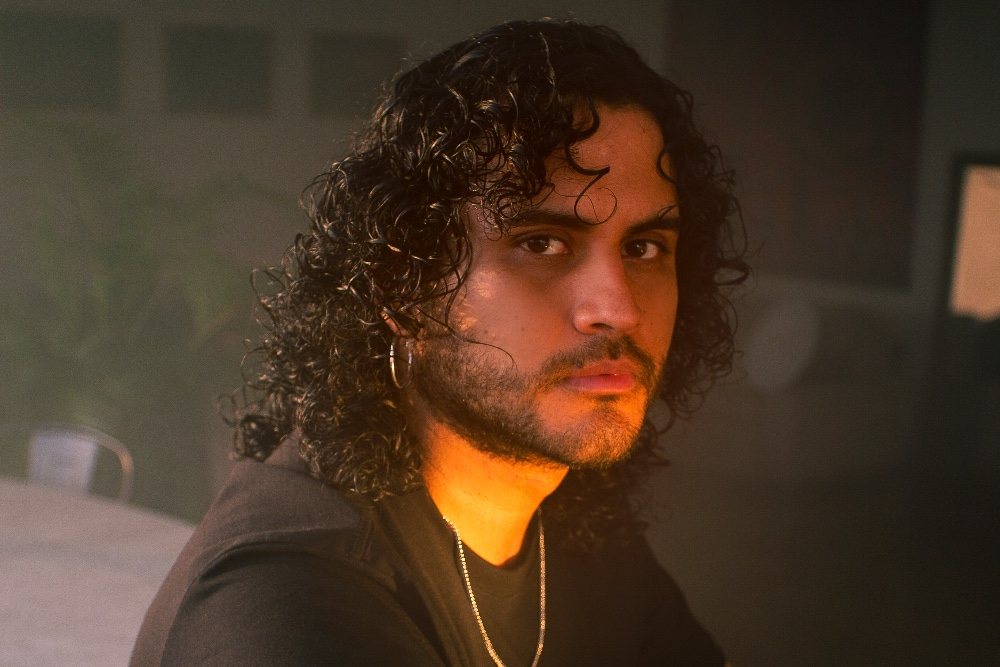
Peruvian filmmaker Sami Hawka is developing a new feature film that examines the fight for personal freedom under a fictionalized dictatorship in contemporary Peru. Titled «While Everything Falls» (Afuera Todo Arde), the project explores how the right to love who you want can become an act of political resistance.
The story unfolds in a conservative rural community where two members become entangled in a polyamorous relationship, a choice that puts them at odds with both local social norms and the repressive political system surrounding them. Hawka uses this intimate conflict to examine broader questions about autonomy, desire, and the ways authoritarian power reaches into private life.
In discussing the film's themes, Hawka said that «power can oppress people in different ways,» a statement that captures the film's central concern with how political repression and social conservatism reinforce each other. The filmmaker's approach connects the personal and the political, showing how the struggle for Indigenous rights and the struggle for sexual and romantic freedom share common ground against systems of control.
The film's setting in a rural community is significant. Indigenous communities in Peru have long faced marginalization, land dispossession, and cultural erasure, and Hawka's narrative places these ongoing struggles alongside the more intimate battle for the freedom to love. By fictionalizing the political context as a dictatorship, the filmmaker creates a heightened space in which these overlapping forms of oppression can be examined without being tied to a single real-world administration.
Polyamory as a subject remains relatively rare in Latin American cinema, and Hawka's decision to center it within a story about political resistance marks a distinctive contribution to contemporary film. The relationship at the heart of «While Everything Falls» is not presented as a provocation for its own sake but as a test case for how societies police intimacy and how individuals push back.
The project is currently in development, with no production timeline or cast announced. Hawka, who is based in Peru, has positioned the film as part of a broader conversation about representation and resistance in Latin American storytelling, where filmmakers increasingly blend genre elements with social critique.
By grounding a political drama in the emotional stakes of a forbidden relationship, «While Everything Falls» aims to show that the personal is not merely political but can also be a site of active defiance. The film's title suggests a world on the brink, where everything familiar is collapsing, and the characters must decide what they are willing to risk for the right to live and love on their own terms.
21