Culture 3 min read By Trevor Kendall
Patrick Stewart Showed His Sci-Fi Range in Dune Before Star Trek
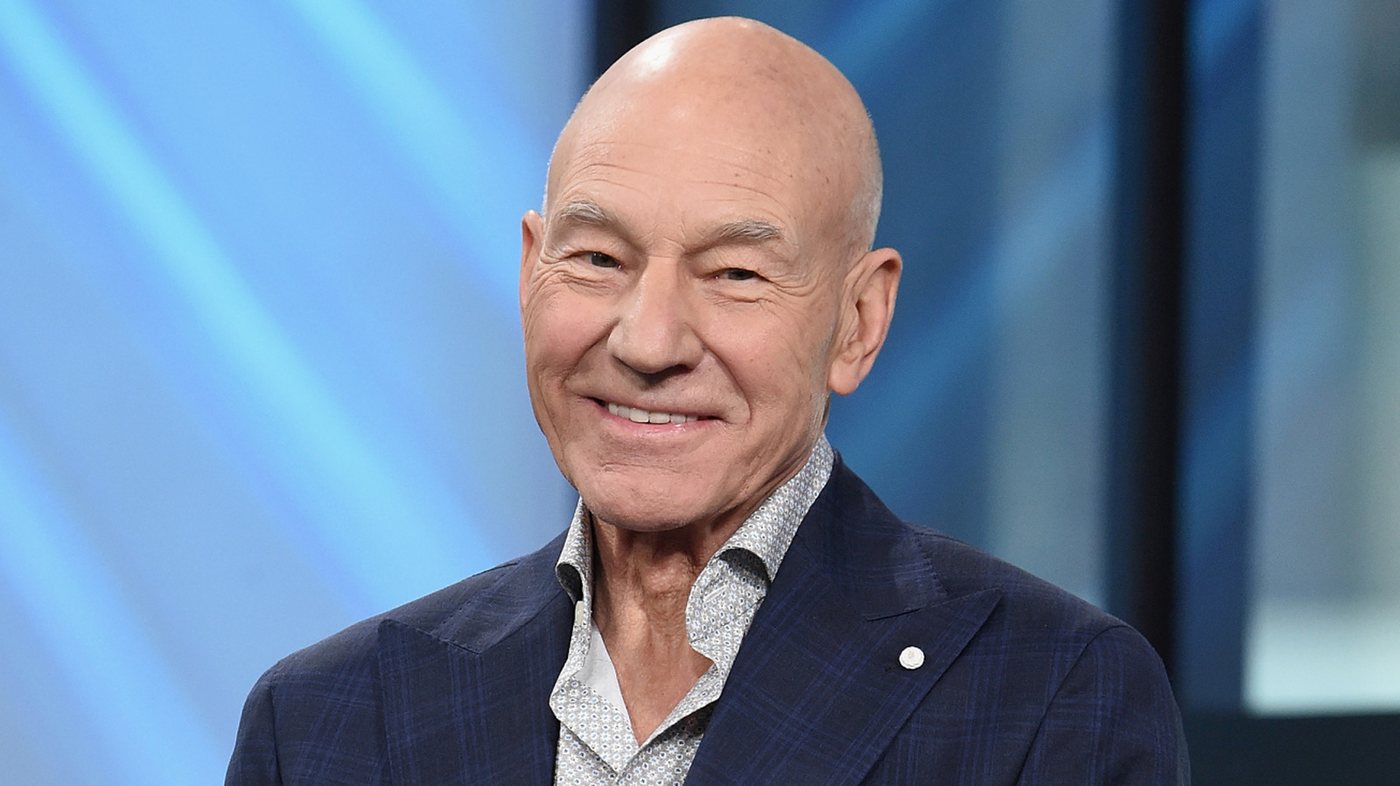
Long before he became a Star Trek captain, Patrick Stewart appeared in David Lynch's Dune, a film that tested his command of science fiction, according to coverage of the late actor's career.
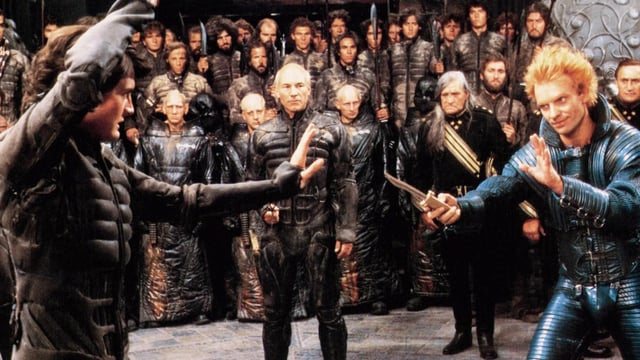
Long before he became one of science fiction's most recognizable figures as Captain Jean-Luc Picard, Patrick Stewart took a role in David Lynch's 1984 adaptation of Frank Herbert's novel Dune. The appearance is now often cited as an early sign of his ability to move between Shakespearean stage work and the demands of big-screen genre filmmaking.
Stewart's connection to the genre went on to define much of his later career. He became a fixture of Star Trek: The Next Generation, which ran from 1987 to 1994, and later brought the same gravitas to the X-Men films as Professor Charles Xavier. Coverage of his work has repeatedly pointed to that transition as evidence that a classically trained actor could give science fiction the seriousness its stories required.
Stewart's own favorites within his Star Trek run have drawn attention as well. A 1992 episode of The Next Generation, which the actor praised even though it contains a limited amount of science fiction, has been singled out as one of his preferred installments, according to reporting on his comments about the series. That preference offers a window into how he judged the show's strongest material: by the character drama at its center rather than by the technology around it.
His experience also made him a sought-after mentor for others who would later take on command roles in the franchise. Kate Mulgrew, who played Captain Kathryn Janeway in Star Trek: Voyager, reportedly took to heart advice from Stewart about what it is like to play a Star Trek captain. The exchange shows how his perspective resonated across generations of performers, many of whom faced the same challenge of carrying authority on a bridge set.
Stewart's reflections on the end of The Next Generation have also been revisited in recent coverage. The series was cancelled after its seventh season, and the actor's feelings about that transition have been described as part of a broader period of change in his professional life. The cancellation closed one of the most successful chapters of modern television science fiction, yet it did not end his association with the genre, which would later return him to the screen in new forms.
Reaction to his death has highlighted the same thread running through his career: the willingness to treat genre roles, including his turn in Dune, with the same craft he brought to Shakespeare. Commentators have noted that his stage training gave his science-fiction performances a weight that set them apart from more routine genre work. For many fans, that continuity is what made his science-fiction work feel so distinctive, and it is why his early appearance in Dune is now revisited as a meaningful part of his legacy rather than a footnote.
6