Culture 4 min read By Morgan Griffin
Paramount Accuses Mark Ruffalo of Antisemitism in Merger Dispute
Paramount responded forcefully to Mark Ruffalo's criticism of the Ellison family's role in the Warner Bros. Discovery merger, calling the actor's remarks antisemitic and saying the company does not tolerate prejudice.
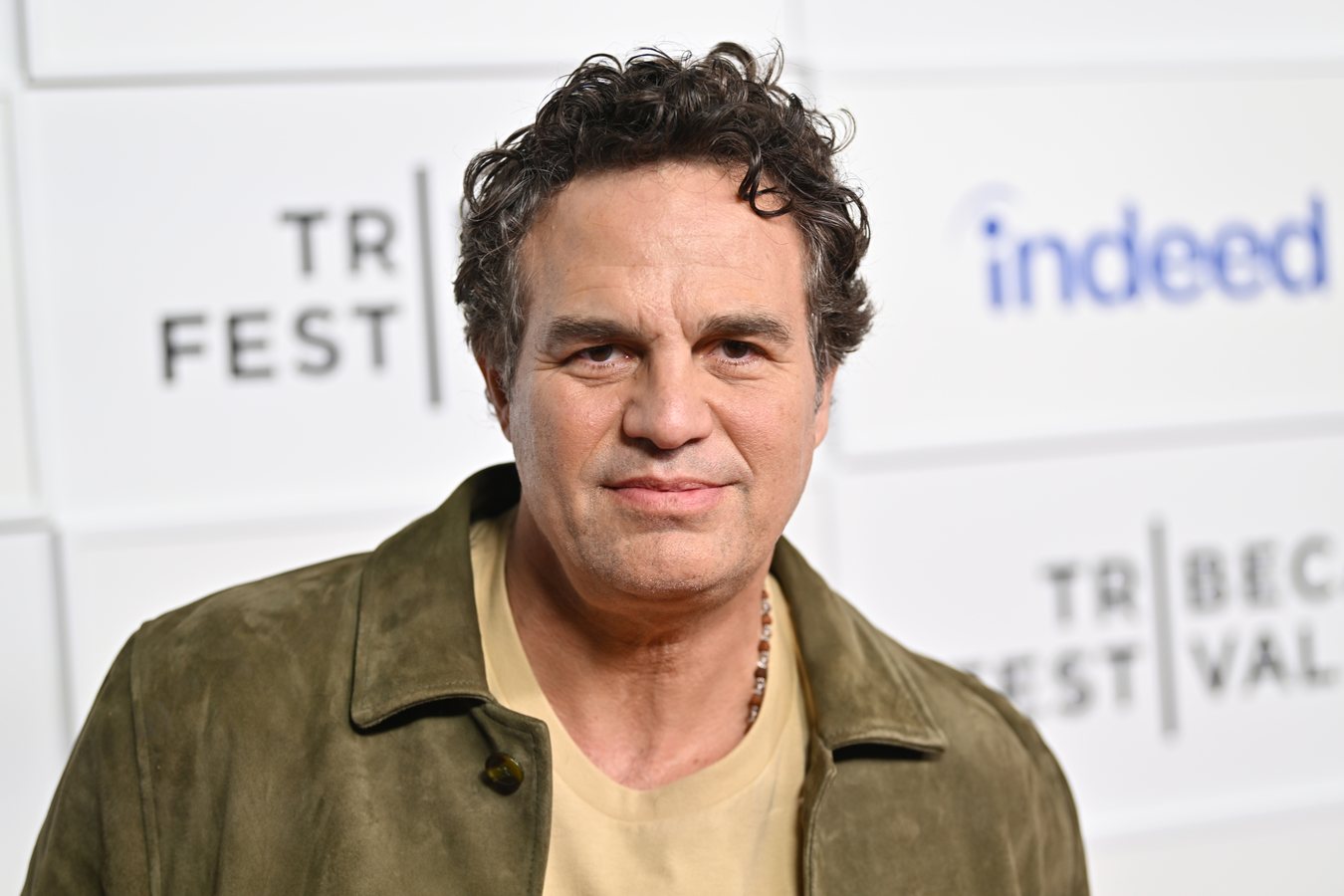
Paramount has fired back at Mark Ruffalo after the actor accused the Ellison family, which controls the studio, of supporting destructive forces through their business ties. In a statement, a company spokesperson said Paramount is troubled when antisemitic tropes are invoked in public debate and made clear the company does not tolerate prejudice of any kind.
The dispute began Friday when Ruffalo, a four-time Oscar nominee, shared a video of Oracle executive vice chair Safra Catz discussing the company's operations. The actor used the post to criticize David and Larry Ellison, the father-son duo behind Oracle and the proposed $111 billion acquisition of Warner Bros. Discovery by Paramount. Ruffalo described the Ellisons as powering some of the most destructive and inhuman forces in the world and called them profoundly scary people.
Paramount's response came as the merger faces mounting political and legal pressure. California Attorney General Rob Bonta has joined a coalition of state attorneys general in an antitrust lawsuit against the deal, and settlement talks between Paramount and the states are scheduled for next week. The company has also been locked in a public dispute with outgoing Governor Gavin Newsom, who said he takes Paramount CEO David Ellison's threat to leave California seriously.
The merger has drawn opposition from several quarters, including labor groups and industry watchdogs who argue the combination would concentrate too much power in the hands of a few media giants. Supporters, including Los Angeles Mayor Karen Bass, have backed the deal as a boost for the local entertainment economy. Bass has publicly endorsed the acquisition, while Ruffalo has emerged as one of the most vocal celebrity opponents.
Ruffalo's criticism focused on Oracle's history, including its work with government agencies and its role in surveillance and data collection. The actor has been an outspoken advocate on political issues for years, and his comments about the Ellisons quickly became a flashpoint in the merger debate. Paramount's decision to label the remarks antisemitic escalated the confrontation, drawing attention to the Ellisons' Jewish heritage and the language Ruffalo used to describe them.
The company's statement did not specify which phrases it considered antisemitic, but it emphasized that prejudice has no place in the entertainment industry. The response reflects a broader pattern in which corporate leaders have pushed back against criticism of Jewish executives by invoking antisemitism, a move that has itself sparked debate about the boundaries of legitimate political speech.
For now, the merger's fate rests with regulators and the courts. The antitrust lawsuit filed by the state attorneys general seeks to block the deal, and settlement discussions could resolve the matter without a trial. Newsom's comments this week added another layer of uncertainty, as he suggested the state might lose jobs and tax revenue if Paramount follows through on its threat to relocate. The company has not announced any specific plans to leave California, but the governor said he is taking the warning seriously.
Ruffalo has not responded publicly to Paramount's statement. His original post remains online, and his followers have split between those who support his criticism of the Ellisons and those who accuse him of crossing a line. The exchange highlights how the merger has become a cultural flashpoint, with celebrities, politicians, and business leaders all weighing in on what the deal means for the future of Hollywood.