Culture 3 min read By Mason Emerson
Nathan Fielder Says Elizabeth Holmes Called Him From Prison Before Documentary Release
Nathan Fielder told Wired that Elizabeth Holmes phoned him from federal prison just before the theatrical release of their documentary «You Can See Everything,» repeatedly telling him «I trust you.» It was their first conversation in six months.
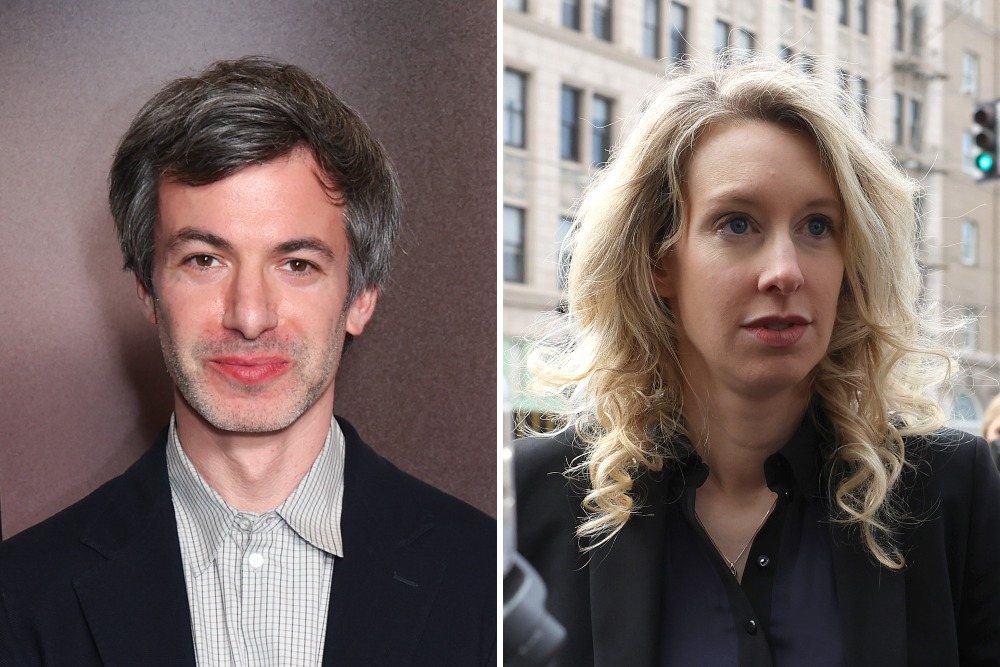
Elizabeth Holmes called Nathan Fielder from federal prison shortly before the theatrical release of «You Can See Everything,» the documentary the two men made about her, and told him repeatedly, «I trust you.» Fielder disclosed the call in a new interview with Wired, describing it as the first time he and his documentary subject had spoken in half a year.
The timing placed the conversation at the most sensitive moment of the project: the eve of the film's arrival in theaters, after months in which Holmes had been out of contact with the director. According to Fielder's account, the former Theranos chief executive initiated the call herself and used it to express confidence in how she had been portrayed, repeating the phrase «I trust you» more than once.
Holmes, who ran the blood-testing startup Theranos before its collapse, is serving a federal prison sentence. «You Can See Everything,» directed by Fielder and Lance Oppenheim, examines her story and has become one of the most discussed documentaries of the season since a single secret screening at the Telluride Film Festival over Labor Day weekend. The nearly three-hour film, released by A24, has drawn attention both for its subject and for the unusual access behind it.
That access was not unconditional. Fielder has said he was skeptical he could break new ground on a story that had already been covered extensively, and he negotiated a kill switch with A24 as a safeguard before proceeding. The arrangement reflected his doubts about whether the project could justify itself, and it has since become part of the film's public narrative alongside the material itself.
The prison call adds another chapter to a production that, by Fielder's telling, did not stop generating twists once the cameras were switched off. A documentary subject reaching out from custody to the filmmaker just as the work reaches audiences is an unusual position for any director, and Fielder's decision to describe the exchange publicly has extended the film's conversation beyond the screen.
The film's reception has also moved into awards territory. After its Telluride debut, «You Can See Everything» has been discussed as an Oscar contender, with attention extending to an acting category in addition to the documentary races. That speculation has kept the project in the cultural conversation through the fall.
For Fielder, the episode sits at the intersection of the two strands of his career: the elaborate, often uncomfortable constructions of his comedy and the more conventional documentary work he has pursued with Oppenheim. Holmes's call, as he describes it, was less a renegotiation of the film than an endorsement delivered in the plainest terms available to her from prison.
6