Culture 4 min read By Morgan Griffin
Mark Ruffalo Rejects Paramount’s Antisemitism Accusation as ‘Appalling and Fundamentally Dishonest’
Mark Ruffalo responded to Paramount’s claim that his criticism of the Ellison family over the Warner Bros. merger was antisemitic, calling the accusation dishonest and clarifying that his remarks target specific actions, not Jewish people.
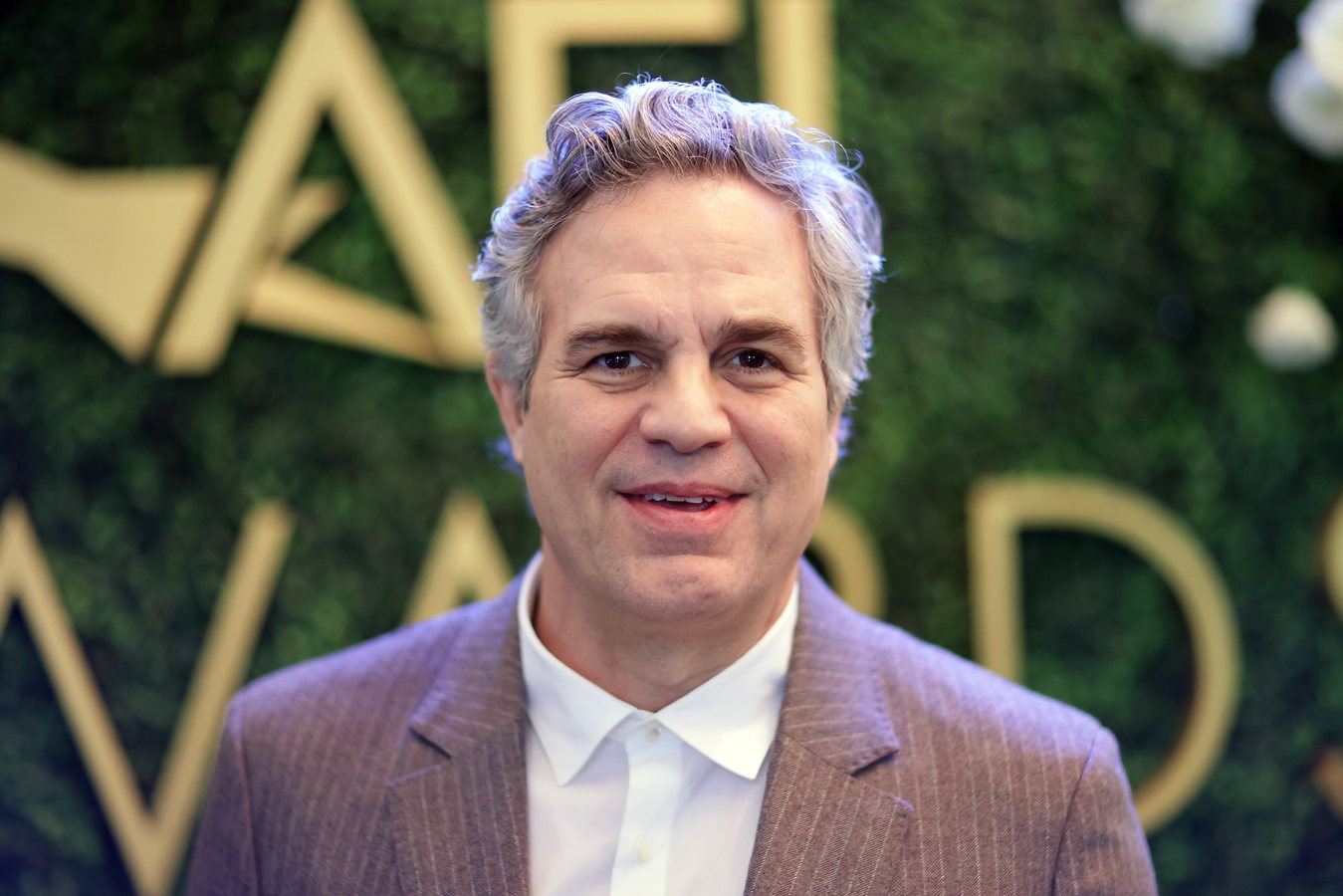
Mark Ruffalo has publicly rejected Paramount’s accusation that his recent attack on David and Larry Ellison was antisemitic, calling the charge “appalling and fundamentally dishonest.” The actor, a four-time Oscar nominee, took to X on Saturday to clarify his position after the studio condemned his remarks about the billionaire backers of the proposed Paramount-Warner Bros. merger.
Ruffalo had accused the Ellisons of “powering some of the most destructive and inhuman forces in the world,” a statement that drew sharp rebuke from Paramount. The company labeled the comments antisemitic, prompting the actor to respond directly. “The accusation that I am antisemitic is appalling and fundamentally dishonest,” he wrote. He added that his views “should never be interpreted as hostility toward Jewish people,” insisting that his criticism is aimed at specific corporate actions and their consequences, not at ethnicity or religion.
The dispute escalated further when the Simon Wiesenthal Center, a prominent Jewish human rights organization, weighed in on the matter. Its CEO, Jim Berk, issued a statement supporting Paramount’s stance. “Words matter, and so does the willingness to draw a line when legitimate debate gives way to antisemitic tropes,” Berk said. He commended the studio for “speaking clearly” against what he described as the actor’s “demonization” of the Ellisons, suggesting that Ruffalo’s language crossed a line from policy disagreement into harmful stereotyping.
The exchange marks the latest flashpoint in an increasingly contentious battle over the proposed acquisition, which would combine Paramount with Warner Bros. under the umbrella of Oracle co-founder Larry Ellison and his son David. The deal has drawn scrutiny from industry insiders and politicians alike, with concerns ranging from market consolidation to the influence of tech billionaires on Hollywood’s creative output. Ruffalo, known for his outspoken political activism, has been one of the most vocal celebrity critics of the merger, framing it as a threat to the entertainment industry’s independence and to the broader public interest.
Paramount’s decision to label Ruffalo’s comments antisemitic has intensified the debate, turning a corporate dispute into a charged cultural confrontation. The studio has not yet issued a further response to the actor’s latest statement. Meanwhile, Ruffalo’s defenders argue that his criticism of the Ellisons’ business practices, particularly their ties to defense and surveillance technology, is legitimate political discourse that should not be conflated with bigotry. His post on Saturday sought to draw that distinction explicitly, asserting that his objections are rooted in the “actions” of the individuals involved, not their identity.
The controversy shows no signs of cooling, as both sides appear dug in. For Ruffalo, the accusation has become a test of how far public figures can go in criticizing powerful executives before their words are reinterpreted through a religious or ethnic lens. For Paramount and its allies, the episode serves as a warning about the rhetoric surrounding the merger. With the deal still pending regulatory approval, the war of words between the studio and one of Hollywood’s most prominent activists is likely to continue shaping the narrative around one of the industry’s biggest potential consolidations.