Culture 4 min read By Morgan Griffin
Mandy Patinkin Wants His Body Composted After Death
Actor Mandy Patinkin, 73, says on his podcast that he wants his remains composted after death, citing claustrophobia and Jewish heritage as his reasons.
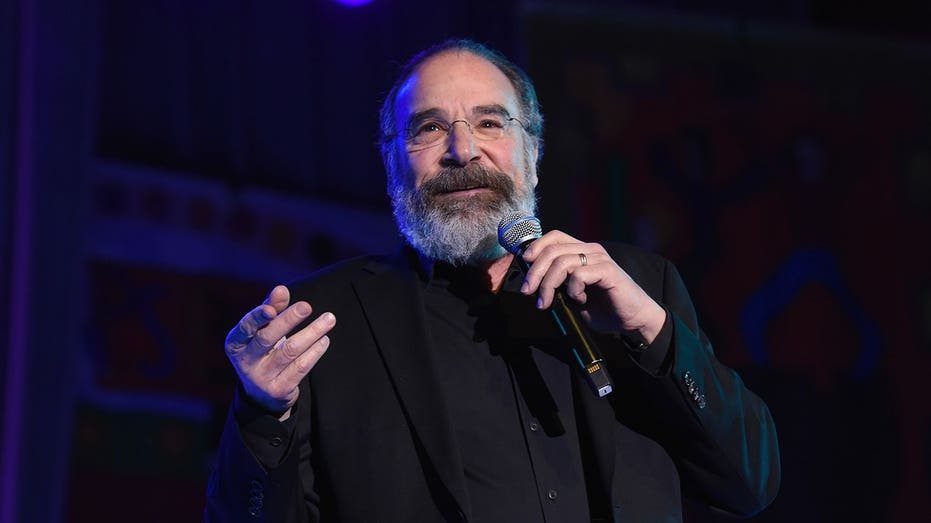
Mandy Patinkin, the 73-year-old actor known forCriminal Minds, has revealed that he wants his body composted after his death, a decision he says reflects both his claustrophobia and his Jewish heritage. The actor discussed the plan on his podcastDon't Listen to Us, explaining that neither a traditional coffin nor cremation feels acceptable to him.
Patinkin said the idea was introduced to him by a guest named Robyn, who appeared on the podcast to talk about her husband's wish for an earth-friendly burial. He recalled memorizing a speech fromRosencrantz and Guildenstern Are Deadabout being in a box, and said the image stayed with him. «I'm very claustrophobic, very claustrophobic, and the idea of being put in a box, knowing that I'm going to be in a box when whatever I'm familiar with is drastically changed is just unacceptable to me. Period. Full stop.»
The actor also explained why cremation is not an option for him. Because of his Jewish background, he said, the thought of being burned is deeply painful. He described himself as a «conservative Chicago Jew» and said that the image of the crematorium at Auschwitz, which he has visited, is «seared into my heritage genetics». Orthodox Judaism, he explained, holds that the body must remain whole for the afterlife. «You must not do anything. You must not even let somebody do an autopsy on your body to study something», he said, because when a person goes to Olam Haba, the world beyond, they must be complete. He explained that when the Messiah comes and the dead are resurrected, Jews must be whole. Otherwise, he joked, a person would end up looking for missing parts.
Patinkin dismissed the argument that a person is no longer present after death. «Don't give me any business about, well, you're not you, you're not here, it's a whole different thing. Excuse me. Not OK», he added. «I can't deal with the oven and I can't deal with the box. I love this idea so much because I don't have to be burned, and I don't have to be claustrophobic. I'm naturally put in this encasement that you've just described. I'm free to go to the Olam Haba, the world beyond, as complete. And then the organic process turns me into, you know, mulch, food, soil. And I'm not in an oven … I just am ecstatic over this.»
Human composting, also described during the podcast as an earth-friendly burial option, involves placing a person's body inside a vessel and covering it with organic material. Through controlled heat, oxygen, and moisture, the body breaks down over a period of about a month. What remains is soil that can be returned to the family. For Patinkin, the process appears to resolve both of his objections: he avoids being enclosed in a coffin and avoids cremation.
Patinkin said he was «ecstatic» about the arrangement and described it as a way to remain complete while returning naturally to the earth. The conversation on his podcast focused on his personal preferences and the practical steps involved in human composting, including the roughly one-month process that turns remains into soil. He repeated that the idea appeals to him because it lets him avoid the two outcomes he finds unbearable: being confined and being burned.