Culture 4 min read By Trevor Kendall
Kelsey Grammer criticizes Hollywood for altering history to fit modern tastes
‘Frasier’ star Kelsey Grammer said on a podcast that historical accuracy should be respected and that Hollywood’s attempts to modernize classics often lead to box office flops.
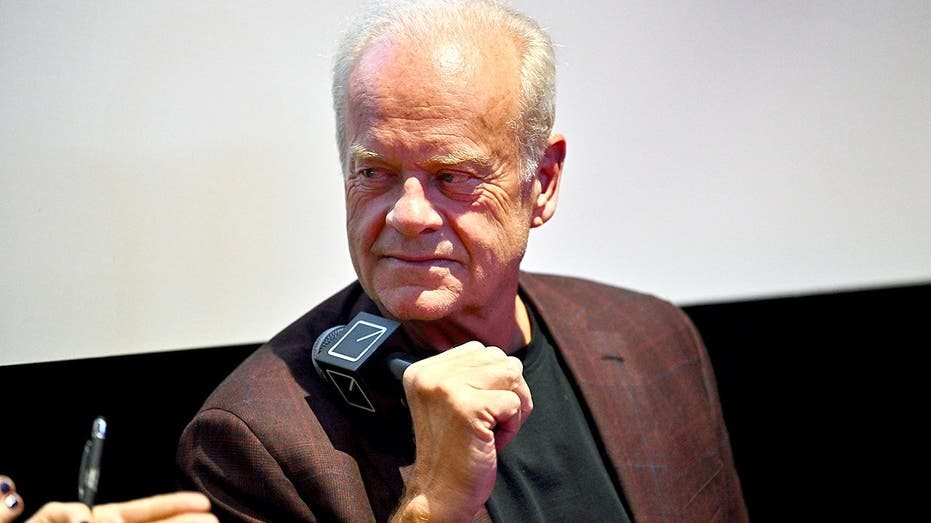
Actor Kelsey Grammer has criticized Hollywood’s growing tendency to alter historical narratives and classic stories to align with contemporary cultural views, calling the trend “a little exhausting.” In an interview set to air on “The Katie Miller Podcast,” the “Frasier” star said that while he has not seen every controversial adaptation, he finds it frustrating when entertainment “hits me over the head” with forced modern messaging at the expense of historical accuracy.
Grammer’s comments come amid a wave of remakes and adaptations that have sparked debate over how much creative license is appropriate when retelling classic tales. Podcaster Katie Miller, the wife of White House deputy chief of staff for policy Stephen Miller, asked Grammer about Hollywood’s tendency to “reinvent nearly every classic” and “distort it just a little bit to fit their views.” Grammer responded that historical significance should be respected, adding that “old England is probably full of White people” and that “historical significance should be respected a little bit, culturally.”
The actor noted that recent box office results suggest audiences are rejecting many of these reimagined works. When asked whether Hollywood will ever return to more faithful adaptations, Grammer replied, “Hollywood isn’t very good at telling people what they have to see, you know, because then they flop.” He pointed to a pattern of successive years of box office disappointments. One prominent example is Disney’s live-action “Snow White,” which reportedly lost the studio approximately $170 million.
Even Pixar, another Disney subsidiary, has begun to shift strategy after a series of underperforming films. Pixar Chief Creative Officer Pete Docter told The Wall Street Journal that the studio is cutting LGBTQ themes and warning against making films inspired by creators’ personal stories, explaining, “We’re making a movie, not hundreds of millions of dollars of therapy.” Grammer expressed cautious optimism that the industry may be learning from these failures: “They’re probably figuring it out. I think eventually flopping doesn’t work so well.”
In recent years, numerous films have become flashpoints in the culture war, ranging from remakes like “The Little Mermaid” and “Snow White” to adaptations of ancient history such as “Cleopatra” and Homer’s “The Odyssey.” Christopher Nolan’s adaptation of “The Odyssey” has been a particular subject of scrutiny. Classicist Emily Wilson, who wrote a feminist translation of the epic that influenced the film, criticized Nolan’s version for missing the spirit of the original heroic poem. Critics have also noted the film’s modernized Americanized dialogue, its portrayal of Odysseus as a traumatized rather than heroic figure, and the removal of many mythological elements.
Despite the controversy, Nolan’s “The Odyssey” has become a box office hit, though audiences and critics remain divided over whether its bold creative choices improved the story or missed the mark. Grammer acknowledged that he was glad the film was made but expressed uncertainty about whether it had been “pitched too far in to our particular culture to divorce you from the idea of what actually happened.”
Grammer’s remarks reflect a broader debate within the entertainment industry about the balance between creative reinterpretation and respect for source material and historical context. As studios continue to produce expensive remakes and historical epics, the financial results and public reception increasingly suggest that audiences are becoming selective about which changes they accept. The full interview with Grammer is scheduled to be published Tuesday night on the podcast’s YouTube page.