Culture 5 min read By Lauren Baxter
Jimmy Kimmel's Pulled James Talarico Interview Hits 5 Million YouTube Views in 24 Hours
Jimmy Kimmel's interview with Texas Senate candidate James Talarico, which did not air on ABC due to threats, drew 5 million YouTube views in its first 24 hours and later approached 7 million as FCC Chairman Brendan Carr called the sit-down a "hoax."
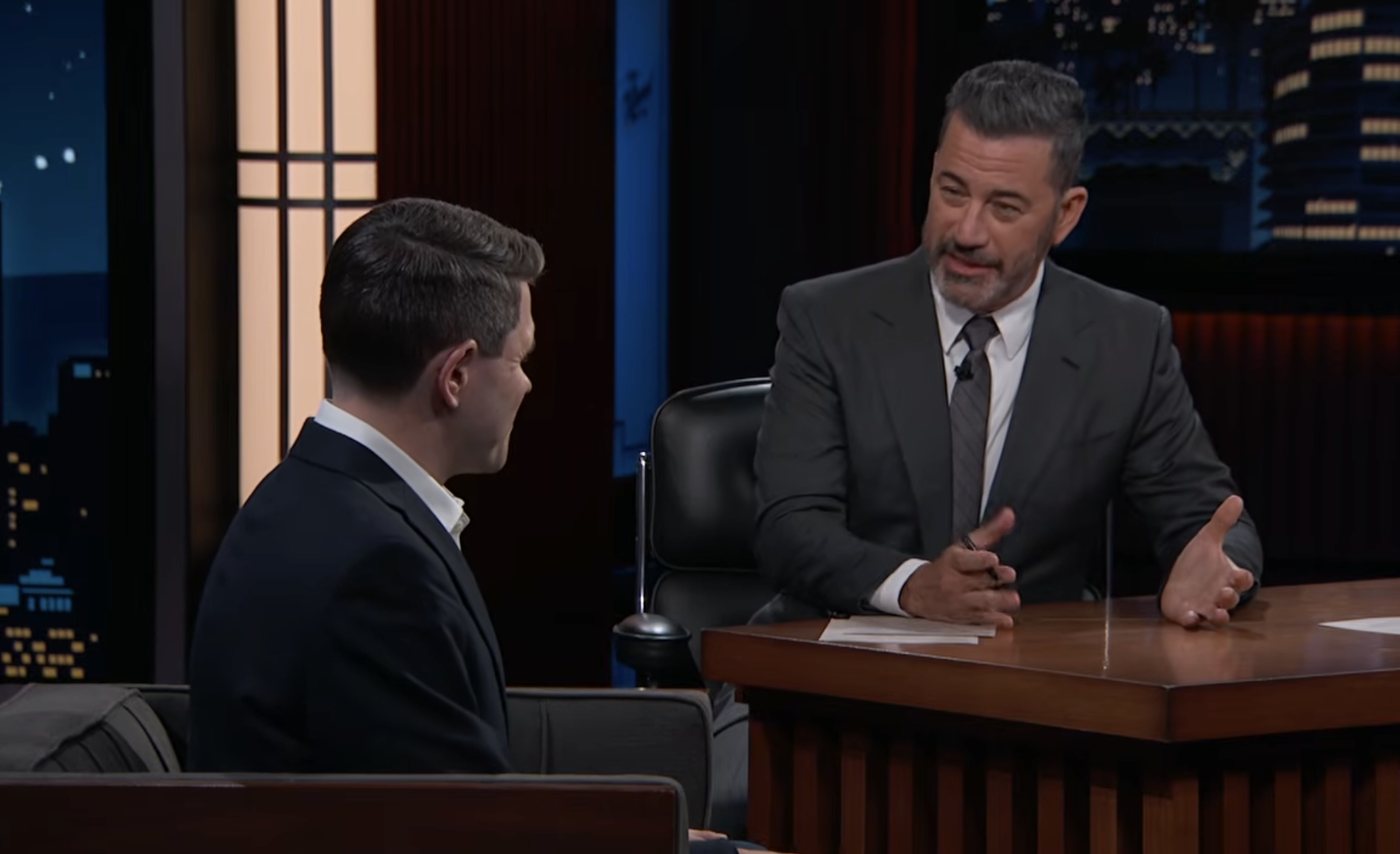
Jimmy Kimmel's interview with James Talarico, the Texas Democrat running for the U.S. Senate, has drawn more than 5 million views on YouTube in the 24 hours since it was posted, after Kimmel told viewers the conversation would not air on his ABC show because of threats.
The disclosure came during Wednesday night's episode of «Jimmy Kimmel Live!», when Kimmel explained to his audience that the sit-down with Talarico had been pulled from the broadcast. The interview was instead released on YouTube, where it quickly became one of the most-watched political conversations of the week.
The decision to move the interview online rather than air it on ABC turned the segment into a case study in how modern political media can bypass traditional broadcast distribution. Within a single day, the YouTube posting had surpassed 5 million views, a figure that would represent a strong night for a cable news program and a remarkable one for a late-night interview released outside its normal network slot.
By Saturday evening, the interview was nearing 7 million views, according to public metrics on the platform. The continued climb suggested that interest in the conversation had not faded after the initial news cycle, with viewers continuing to seek out the exchange that never reached ABC's airwaves.
The episode also drew attention from Washington. FCC Chairman Brendan Carr weighed in on Saturday evening, accusing Talarico of orchestrating a «hoax» to drive up «clicks and donations.» Carr's criticism marked a sharp escalation in the public dispute over the interview, moving the story from a late-night television scheduling decision into a broader political fight.
Talarico is competing for a U.S. Senate seat in Texas, and the Kimmel appearance gave him a national platform at a moment when his campaign is seeking visibility beyond the state. The interview's release on YouTube, rather than through ABC, allowed the campaign and viewers to share the segment directly, a dynamic that has become increasingly common as political candidates and media figures route around traditional gatekeepers.
Kimmel's explanation to his audience — that the interview would not air because of threats — added a layer of controversy to the segment before a single frame of it was seen on television. That framing helped drive curiosity and traffic to the YouTube posting, which in turn became the primary way the conversation reached the public.
The numbers put the interview in rare territory for a political sit-down released online. Five million views in 24 hours places it alongside major viral moments, and the approach to 7 million views by the weekend indicates sustained attention rather than a brief spike. For a Senate candidate in Texas, that level of national exposure is unusual, and it arrived without the interview ever appearing on the network that produced it.
Carr's accusation introduced a new front in the story, turning a programming decision into a subject of regulatory and political commentary. The FCC chairman's remarks suggested that the interview's online success was itself becoming a point of contention, with critics questioning the motivations behind the release strategy.
For Kimmel, the episode represents an unusual intersection of late-night comedy, political campaigning, and digital distribution. The host has frequently mixed comedy with political commentary, but the decision to withhold an interview from his own network and release it online instead is a departure from the standard late-night playbook.
The interview's performance on YouTube also highlights how viewership for political content increasingly accumulates outside network schedules. A segment that might have reached a few million viewers on ABC can now reach a comparable or larger audience online, where it remains available indefinitely and can be shared by campaigns, supporters, and critics alike.
Neither Kimmel nor Talarico has indicated whether the interview will ever air on ABC. For now, the YouTube posting stands as the definitive version of the conversation, and its view count continues to serve as the most visible measure of the attention it generated.