Culture 4 min read By Trevor Kendall
«Ink» review: Jack O'Connell stars in Danny Boyle's thrilling The Sun origin story
Danny Boyle's «Ink» dramatizes the 1969 launch of The Sun tabloid, with Jack O'Connell as editor Larry Lamb and Guy Pearce as Rupert Murdoch. The film, based on James Graham's play, chronicles the paper's rise and its moral compromises.
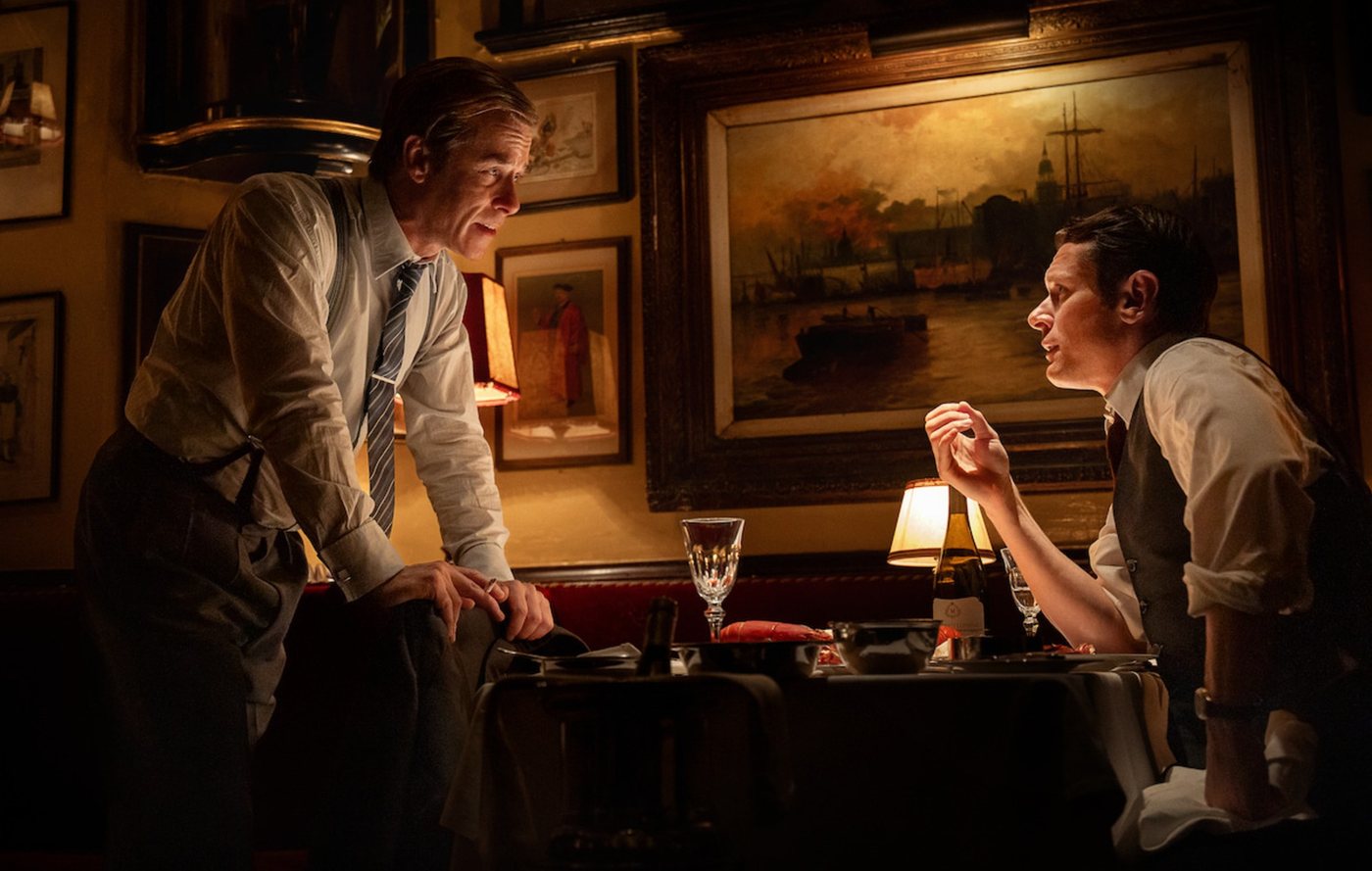
Danny Boyle returns to cinema with «Ink», a fast-paced drama about the rebirth of The Sun, Britain's most divisive tabloid. Based on James Graham's acclaimed play, the film stars Jack O'Connell as editor Larry Lamb and Guy Pearce as publisher Rupert Murdoch, chronicling how the paper rose from a struggling broadsheet to become the country's biggest-selling newspaper.
The story opens in 1969, just before the Moon landing, when Murdoch recruits Lamb to create a tabloid that can rival The Mirror, controlled by Lamb's former mentor Hugh Cudlipp, played by Bertie Carvel. Lamb assembles a team including his lover Jules Hopkirk (Claire Foy), photographer Beverley Goodway (Angus Imrie) and crime reporter Brian McConnell (Brian Gleeson). The film captures the thrill of the paper taking shape, from the creation of its italicised logo to the deliberate sourcing of scandalous material, including the serialisation of a banned book.
O'Connell delivers a captivating performance as Lamb, presenting him as a visionary genius with a willingness to do the unexpected. One highlight sees him drive to a small northern town to protest the banning of the paper. Pearce is solid as Murdoch, though given surprisingly little to do, with the most telling moment coming when he is humiliated on television in an interview with David Frost, igniting his desire for revenge against the establishment.
Claire Foy brings warmth and humour to her role, especially when explaining to assembled male journalists that their wives and girlfriends also indulge in masturbation. Strong support comes from Blake Harrison as subeditor Ray Mills, Jonathan Hyde as Murdoch's deputy Alick McKay, and Abigail Amlin in a small but crucial role as Stephanie Rahn, who became the paper's first Page 3 Girl.
The film is directed and edited in thrilling, urgent style, with scenes that feel like they are flying off the frequently featured printing presses. The dialogue is delicious throughout, with much of it lifted directly from the source material. Boyle focuses on the creation of the paper and the elements that lead to its growth and success, represented by its position on a sales chart in Lamb's office.
However, the latter part of the film contains an extended segment exploring provocative questions about tabloid morality. After Alick's wife is kidnapped and held for ransom, an event that apparently had not happened in England for 800 years, Lamb goes against police wishes by reporting the story. This raises uncomfortable questions about the ethics of the paper's methods and the consequences of its relentless pursuit of circulation.
Regardless of feelings towards Murdoch and his controversial media empire, there is an undeniable thrill in watching the paper take shape and the various pieces click into place. One key scene has Lamb urging his team to shout out things they like: boxing, television, the weather, which had never been written about in papers before, and, of course, sex.
«Ink» is a beautifully written and superbly directed origin story that is thought-provoking, thrilling and laugh-out-loud funny. It presents a nuanced portrait of the men who shaped modern British tabloid journalism, without shying away from the moral compromises that came with success. The film is released in UK cinemas on January 8, 2027.
56