Culture 4 min read By Morgan Griffin
French Filmmakers Protest Proposed Cuts to Film Funding
More than 170 French filmmakers, including Justine Triet and Jacques Audiard, have signed an open letter warning that a proposed overhaul of France's film financing system could put roughly 400 films at risk over the next five years.
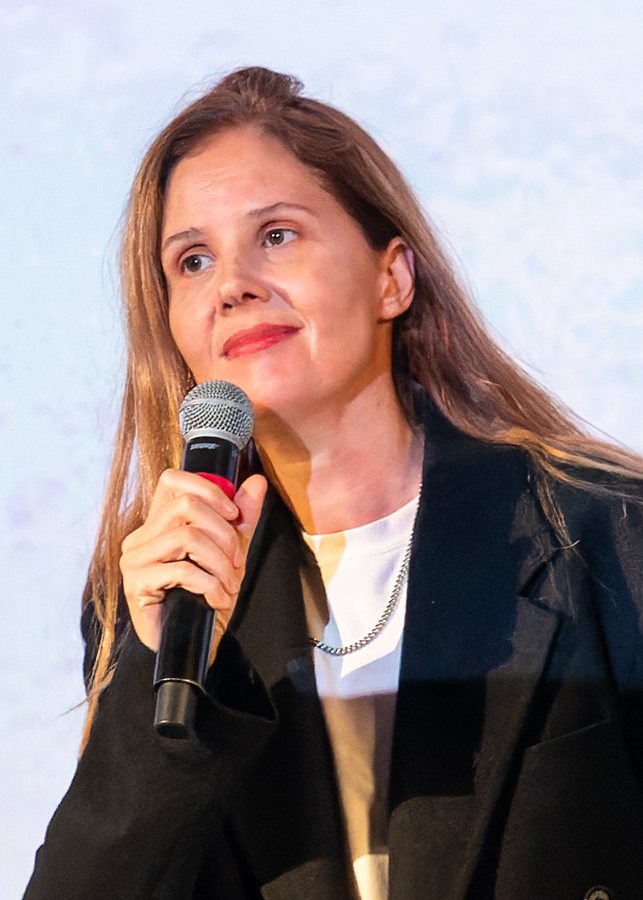
More than 170 French filmmakers have signed an open letter warning that a proposed overhaul of the country's film financing system could put roughly 400 films at risk over the next five years. The signatories include Justine Triet, the director of the Oscar-winning «Anatomy of a Fall», and Jacques Audiard, the filmmaker behind «A Prophet» and «Emilia Pérez».
The letter argues that the changes would weaken a funding model that has long been central to French cinema, allowing a broad range of films to be made each year. The filmmakers say the proposal threatens the volume and diversity of production, not just individual projects.
France's film financing system relies on a network of levies, subsidies and broadcast obligations that channel money back into production. The system is widely credited with sustaining a large domestic industry and supporting filmmakers at different stages of their careers.
The signatories warn that the proposed changes could reduce the number of films made annually and make it harder for independent and first-time directors to secure financing. They describe the current model as a safeguard for creative risk-taking that commercial financing alone would not support.
The letter does not specify which films would be affected, but its estimate of 400 films over five years suggests the filmmakers expect a broad impact across the industry. The signatories are calling on policymakers to reconsider the proposal and to preserve the existing financing structure.
The dispute comes as France's film sector faces pressure from streaming platforms and changing viewing habits. The filmmakers argue that the funding system needs to be protected rather than restructured at a time when production budgets and distribution models are already under strain.
Triet and Audiard are among the most prominent names attached to the letter, lending it visibility beyond the French industry. Triet won the Palme d'Or at Cannes for «Anatomy of a Fall» and later an Academy Award for the film's screenplay. Audiard has been a regular presence at Cannes, where «A Prophet» won the Grand Prix and «Emilia Pérez» won the Jury Prize.
The open letter adds to a growing debate over how European cinema should be financed as public budgets tighten and private platforms play a larger role. Supporters of the current French system say it has kept the country's output unusually high and helped sustain a film culture that extends beyond commercial hits.
It is not yet clear how policymakers will respond to the letter or whether the proposal will be revised. The filmmakers have asked for a dialogue with the government and for the concerns raised in the letter to be taken into account before any changes are adopted.
The signatories frame the issue as a question of cultural policy rather than a narrow industry dispute. They argue that a funding system designed to support a wide range of films is part of what makes French cinema distinctive, and that weakening it would have consequences that extend beyond the films that fail to get made.
5