Culture 4 min read By Lauren Baxter
ABC's First Movie of the Week Starred Milton Berle in an Adventure Tale
When ABC launched its Movie of the Week anthology in 1969, the network turned to one of the biggest stars of the 1940s and 1950s, comedian Milton Berle, to headline its first installment, an adventure story.
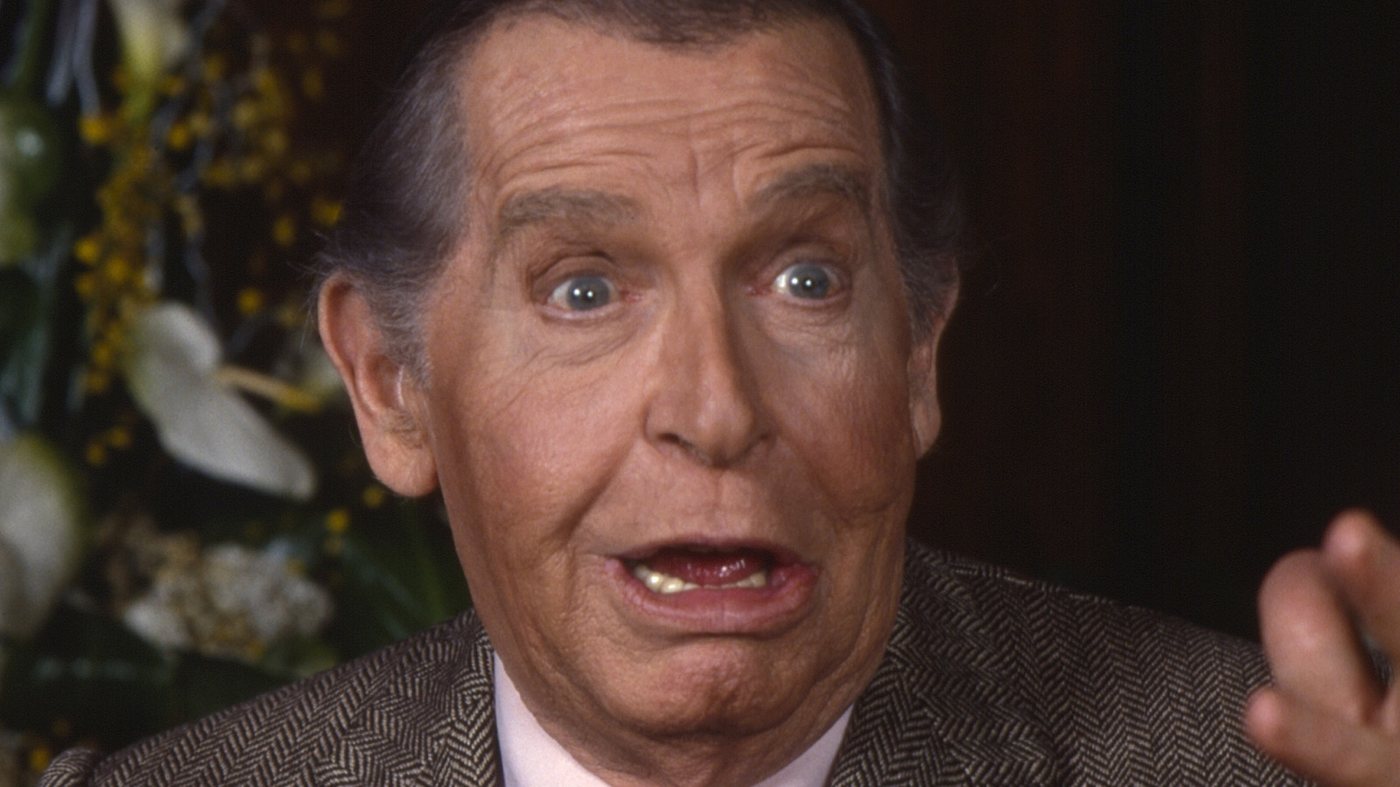
ABC's Movie of the Week anthology series began in 1969 with an adventure story built around Milton Berle, a comedian who had been one of the most recognizable stars of the 1940s and 1950s. The network chose a familiar show-business name to introduce a format that would become a fixture of American television.
The Movie of the Week was a made-for-television film strand, a programming model in which the network produced original movies rather than relying solely on theatrical releases. Launching such a venture required a recognizable face, and Berle fit that role. His prominence in the earlier decades of television made him a natural choice to draw viewers to a new kind of small-screen event.
Berle's career had been defined by comedy, particularly his long run as a television pioneer in the late 1940s and early 1950s. Casting him in an adventure story placed a comic performer in a different register, a decision that gave the first Movie of the Week a distinctive identity. The anthology format allowed each installment to stand alone, with a different story and cast, so the opening film carried particular weight in establishing the series.
The launch came at a moment when the major networks were experimenting with original television movies as a way to fill prime-time schedules and compete for audiences. ABC's entry into that field with a star-driven adventure suggests the network wanted the first installment to feel like an event rather than a routine broadcast. The choice of Berle, whose fame dated to the earliest days of commercial television, connected the new venture to the medium's own history.
The Movie of the Week format would go on to become a recognizable part of American television culture, producing films that often addressed contemporary themes and launched or revived careers. The first installment, however, set the tone with a straightforward adventure built around a beloved comic figure. It was a pairing of star power and genre storytelling that reflected the priorities of the era.
For audiences in 1969, the appeal lay partly in seeing a familiar comedian step into a different kind of role. Berle's presence gave the anthology a promotional hook, while the adventure premise offered the kind of escapist narrative that television movies often favored. The combination helped introduce a format that would shape network programming for years.
The debut also illustrated how television in the late 1960s drew on established entertainment figures to build new ventures. Berle's career had already spanned vaudeville, radio, film, and television, making him a symbol of show-business continuity. Placing him at the center of ABC's first Movie of the Week linked the new anthology to that tradition while testing whether audiences would follow him into a new format.
The Movie of the Week would eventually become a staple of ABC's schedule, but its first outing remains a notable moment in the history of television film. It marked the network's decision to invest in original movies and its willingness to build them around a star whose fame was already established. The adventure story starring Berle thus stands as the opening chapter of a programming experiment that would leave a lasting mark on American entertainment.
8