Culture 5 min read By Lauren Baxter
Emmys Move to Amazon Prime Video as Broadcast Era Ends
The 78th Emmy Awards may be the last broadcast ceremony in the show's history, with Amazon Prime Video set to stream future editions. But the platform shift alone won't solve the deeper problems facing award shows, from declining ratings to an increasingly fragmented viewing audience.
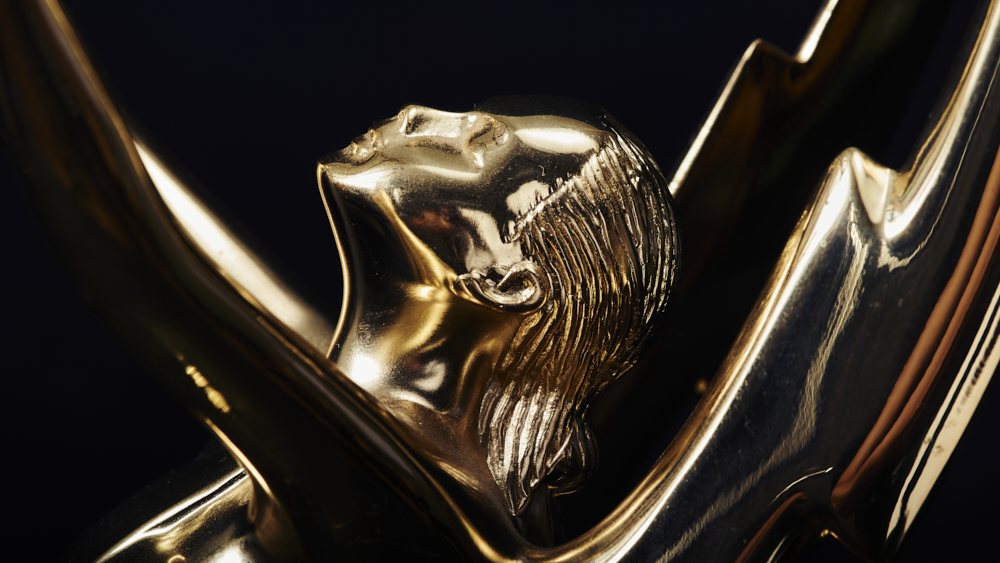
The Emmy Awards have belonged to broadcast television since 1949, but that era appears to be ending. The 78th ceremony, held Monday night at the Peacock Theater in Los Angeles and hosted by Mariska Hargitay, may be the last of its kind. Amazon Prime Video is set to become the new home of the Emmys, moving the television industry's most prestigious awards show from traditional broadcast networks to a streaming platform.
The shift reflects a broader transformation in how audiences consume television and how the entertainment industry measures success. For decades, the Emmys served as a communal viewing event on broadcast television, drawing millions of viewers who tuned in live to see their favorite shows and stars honored. That model has eroded as streaming platforms have proliferated and audiences have fragmented across dozens of services.
But moving the ceremony to Amazon Prime Video won't fix what's broken with award shows, according to industry observers. The problems run deeper than distribution. Award shows have struggled with declining ratings, aging audiences, and a cultural landscape where viewers no longer feel compelled to watch live events. The rise of social media means that even those who skip the broadcast can catch the highlights — the memorable speeches, the fashion, the emotional tributes — within minutes of them happening.
This year's ceremony illustrated both the enduring power of the format and its limitations. The In Memoriam segment, always one of the most-watched moments, featured Noah Kahan performing Simon & Garfunkel's «Bridge Over Troubled Water» on acoustic guitar with a string section. The tribute honored figures including Rob Reiner, Sam Neill, Tim Curry, Isaiah Whitlock Jr., James Van Der Beek, and Catherine O'Hara.
Macaulay Culkin joined Annie Murphy and Dan Levy to pay homage to O'Hara, who died January 30 of a pulmonary embolism. Culkin, nodding to his and O'Hara's roles in the «Home Alone» films, said: «We remember her as the forgetful mother, right? But we'll never forget about her.» Jamie Lee Curtis, sobbing throughout, paid tribute to Reiner, telling the audience: «He was generous and kind and funny as hell and a friend to all.» Reiner and his wife, photographer Michele Singer-Reiner, were found dead in their Brentwood home in December 2025. The LAPD investigated the deaths as an apparent homicide, and the couple's son Nick was arrested and charged with two counts of first-degree murder. He has pleaded not guilty.
The ceremony also included a stand-alone tribute to Dolly Parton, with Sally Field and Reba McEntire honoring the late country legend, who died last month after a private cancer diagnosis. «If there are truly angels on Earth, then we just lost one,» Field said.
These moments — raw, emotional, and deeply human — are what award shows still do best. They create shared cultural touchstones in an otherwise fragmented media environment. But they also highlight the challenge facing the Emmys and similar ceremonies: how to remain relevant when the audience is no longer gathered in front of a single screen at a single time.
Amazon Prime Video's involvement comes as the platform expands its entertainment offerings. The company recently launched a $29.99-a-month streaming bundle that includes AMC+, BritBox, MGM+, PBS Masterpiece, and Starz — priced 39% below the cost of subscribing to each service individually. The bundle reflects the industry's broader consolidation as platforms seek to retain subscribers and reduce churn.
Whether Amazon can revitalize the Emmys remains an open question. Streaming offers flexibility — no fixed broadcast time, no network constraints — but it also removes the ceremony from the cultural center that broadcast television once provided. The Emmys may find a new audience on Prime Video, but they will also be competing with the platform's own vast library of films and series, where the ceremony will be just one more piece of content in an endless scroll.
The 78th Emmys may be remembered as the end of an era. What comes next will depend on whether the television industry can reinvent its biggest night for an audience that no longer watches television the way it once did.