Culture 4 min read By Morgan Griffin
Elisabeth Moss: Different Films for Different People Is What Makes Art Great
Elisabeth Moss shares her perspective on artistic diversity, arguing that having different films for different kinds of people is what makes art great.
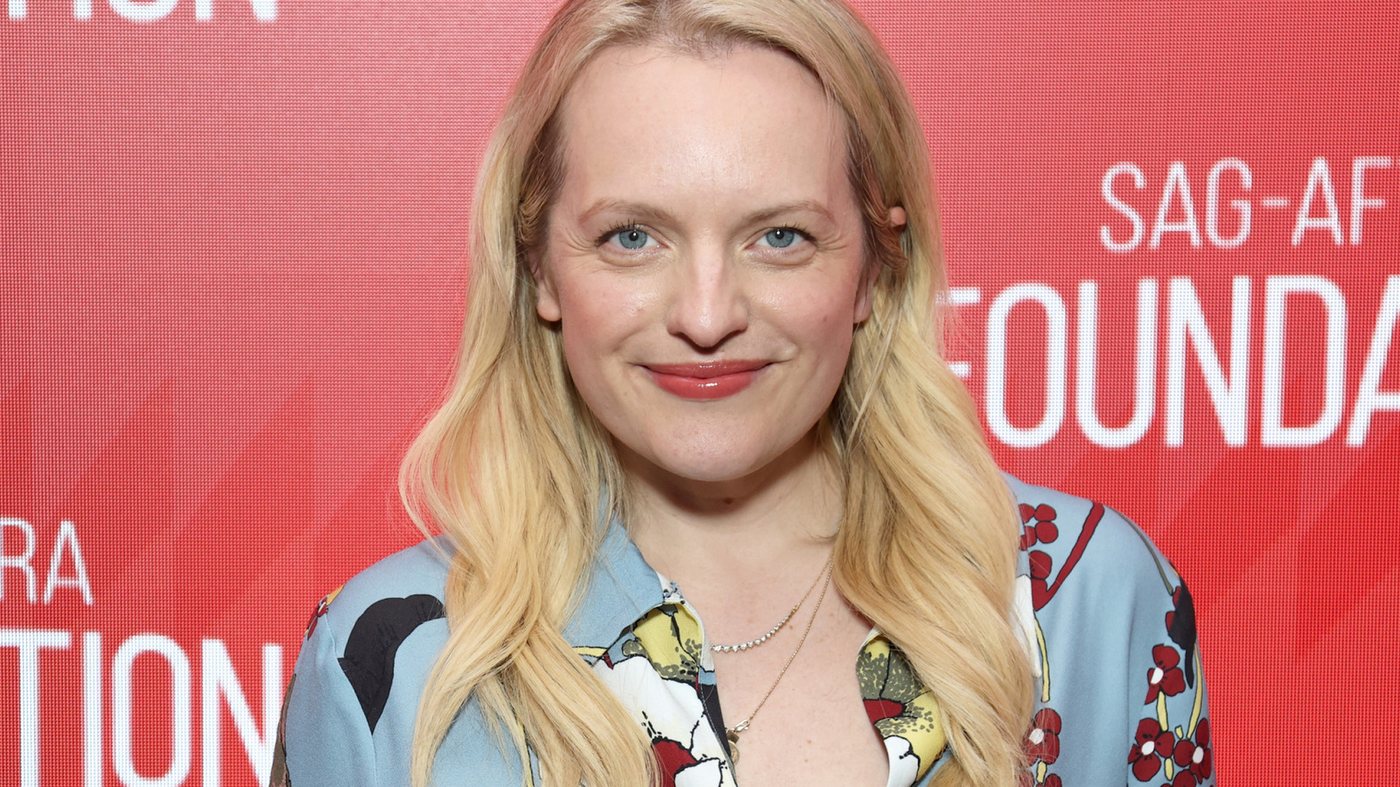
Elisabeth Moss offered her perspective on the nature of art and cinema, arguing that variety in filmmaking is essential to the medium's value. The actress, known for her work in both television and film, suggested that the existence of different films for different kinds of people is precisely what makes art great.
Her comments come at a time when the film industry is navigating debates about audience fragmentation, streaming competition, and the balance between blockbuster spectacles and smaller, more personal projects. Moss's view positions artistic diversity as a strength rather than a weakness, embracing the idea that not every film needs to appeal to every viewer.
The statement reflects a broader conversation within Hollywood about the health of the theatrical market. Recent box office data shows a wide range of films finding audiences, from massive franchise hits to niche releases that succeed on word of mouth. Industry observers have noted that the top-grossing films of the year include both established intellectual properties and original productions, suggesting that audiences are willing to show up for a variety of experiences when they are marketed effectively.
Moss's career has spanned both acclaimed television series and independent films, giving her a unique vantage point on the industry's creative landscape. Her remarks align with a growing sentiment among artists and executives that the future of cinema depends on maintaining space for diverse voices and varied storytelling approaches.
The conversation about artistic diversity also extends to distribution strategies. Recent releases have demonstrated that unconventional paths to theaters can succeed when a film finds the right audience. One notable example is the long-delayed theatrical release of a Looney Tunes film that was initially shelved for tax purposes before being acquired by an independent distributor, going on to earn strong reviews and a solid opening weekend.
That film's performance, alongside the continued dominance of major franchise titles, illustrates the ecosystem Moss describes. Different kinds of films are finding different kinds of audiences, and both can thrive simultaneously. The data suggests that the market is not a zero-sum game, with multiple films succeeding across various budget levels and genres.
Moss's perspective carries particular weight given her history of choosing projects that defy easy categorization. Her willingness to move between prestige television, independent cinema, and larger productions mirrors the kind of artistic range she champions in her comments. For her, the health of the art form depends on this diversity of expression.
As the industry continues to evolve, with changing consumer habits and new distribution models, the principle Moss articulates remains a touchstone for many in the creative community. The idea that art is enriched by serving different audiences in different ways offers a constructive framework for navigating an increasingly complex entertainment landscape.
52