
Culture 3 min read By Mason Emerson
Duane «Keffe D» Davis Found Guilty of Tupac Shakur's 1996 Murder
A Las Vegas jury convicted Duane «Keffe D» Davis of first-degree murder in the 1996 drive-by shooting of Tupac Shakur. Davis, 63, faces life in prison and said he plans to appeal.
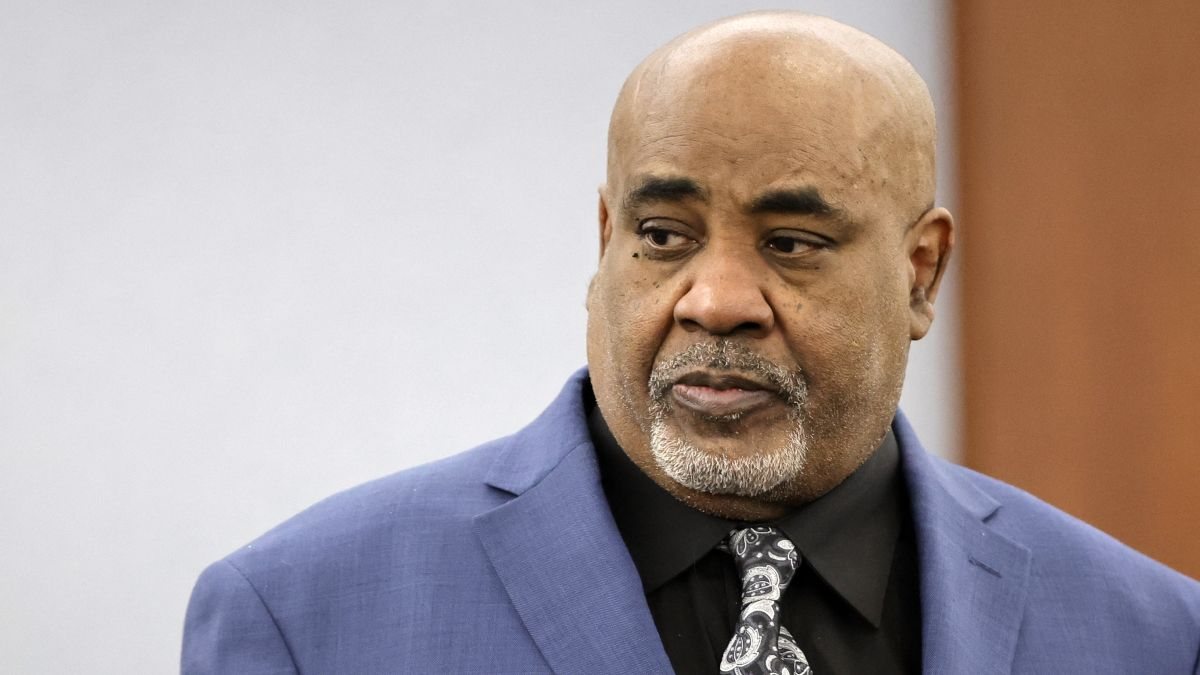
A Las Vegas jury has found Duane «Keffe D» Davis guilty of first-degree murder in the 1996 drive-by shooting death of Tupac Shakur, closing a case that haunted rap history and American crime for nearly three decades. The verdict was delivered Monday after a day of closing arguments, with the jury also finding that Davis used a deadly weapon and acted with the intent to promote, further, or assist a criminal gang.
Davis, 63, a former Compton gang leader, now faces a potential life sentence. Sentencing has not yet been scheduled. Immediately after the verdict was read, Davis told the court, «I would like to appeal this matter.» He will remain in custody while the case proceeds.
The conviction stems from the night of September 7, 1996, when Shakur was fatally shot in a drive-by shooting on the Las Vegas Strip. The rapper, then 25, was a defining voice of West Coast hip-hop with albums such as «All Eyez on Me» and hits including «California Love» and «Dear Mama.» He died six days after the attack. The case went cold for decades, becoming one of the most famous unsolved murders in entertainment history.
Davis was arrested in 2023, marking the first arrest ever made in the case. Prosecutors built their case around Davis's own admissions, including statements made in his 2019 memoir «Compton Street Legend» and in subsequent interviews, where he described his role in orchestrating the attack. Defense attorneys argued that the case relied too heavily on the word of a man seeking attention and that no physical evidence tied Davis to the shooting.
The trial drew intense public attention, reviving interest in the circumstances surrounding Shakur's death and the broader East Coast-West Coast rap rivalry of the mid-1990s. Shakur's murder has long been linked to his feud with rival artists, though no direct connection was established in court. The verdict also brought renewed focus on the legacy of Shakur, whose influence extends beyond music into film, poetry, and cultural activism.
Davis's conviction marks a rare legal resolution in a case that many had assumed would never reach a courtroom. The jury's decision comes after a trial that included testimony about gang history, the events leading up to the shooting, and the aftermath that left Shakur's fans and family seeking answers for years. Legal analysts noted that the gang enhancement finding could affect the severity of the sentence, though the first-degree murder conviction alone carries the possibility of life behind bars.
The Shakur family has not yet issued a public statement about the verdict. The case is expected to proceed to the sentencing phase, where Davis will have the opportunity to present mitigating factors before the court determines his punishment.
52