Culture 5 min read By Morgan Griffin
Diarra Kilpatrick on 'Diarra From Detroit' Season 2 Finale, Paramount+ Move and Season 3 Plans
Diarra Kilpatrick, creator and star of 'Diarra From Detroit,' discusses the Season 2 finale, the show's move to Paramount+, and why centering Black women's stories remains an inherently political act in today's entertainment landscape.
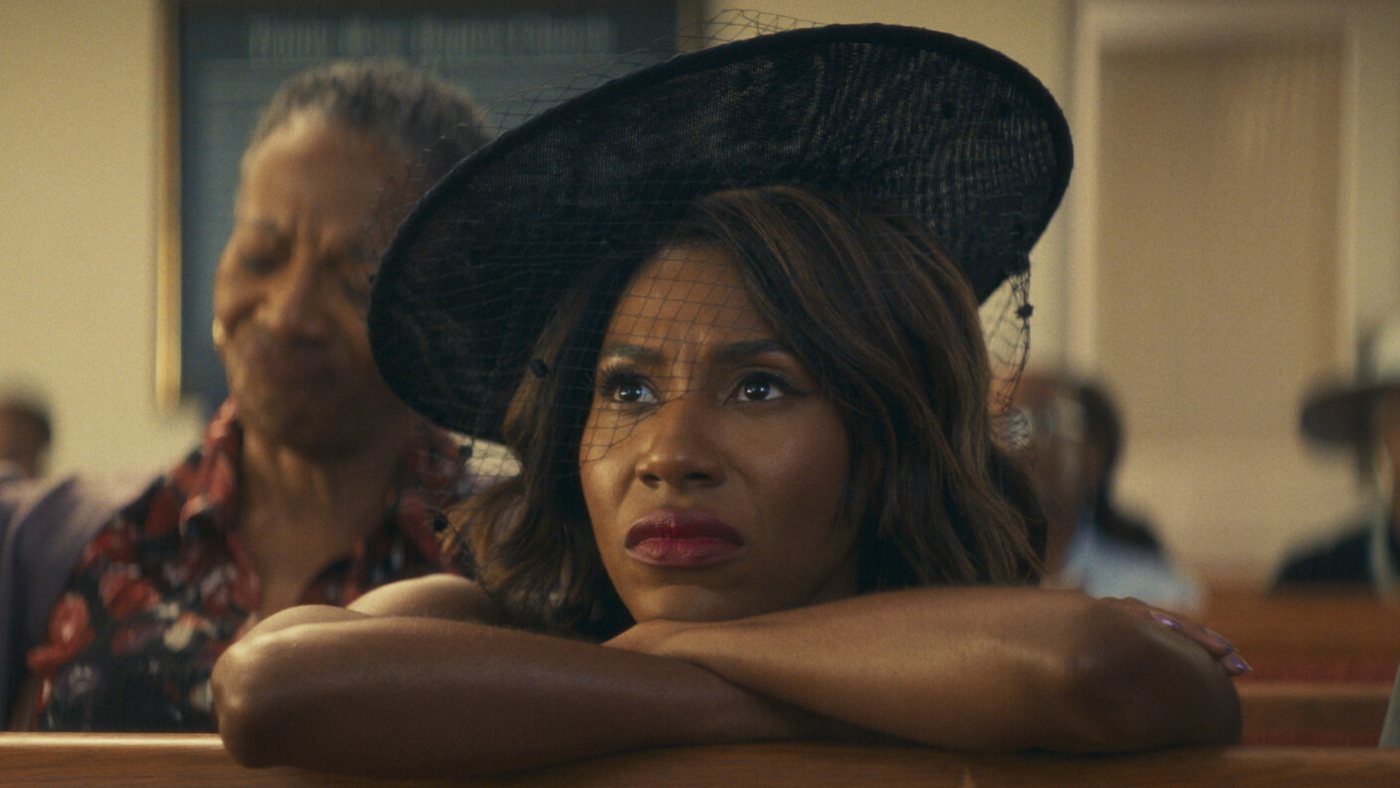
Diarra Kilpatrick, the creator and star of «Diarra From Detroit,» is speaking out about the show's Season 2 finale, its move to Paramount+, and the broader stakes of telling stories centered on Black women. The series, which blends comedy and mystery, has become a standout for its sharp writing and its unapologetic focus on a Black female lead navigating life, love, and unresolved questions in her hometown.
The Season 2 finale, now streaming on Paramount+, marks a significant moment for the series as it continues to build its audience on the streaming platform. Kilpatrick has been candid about the creative decisions behind the finale and what they mean for the show's future. She has also confirmed that plans for a third season are in motion, signaling confidence in the series' trajectory despite a turbulent media landscape.
In discussing the show's move to Paramount+, Kilpatrick highlighted the opportunities that come with a larger platform, including broader reach and the potential for more ambitious storytelling. The shift reflects a wider trend in television where streaming services compete for distinctive, creator-driven content that can cut through a crowded market. For Kilpatrick, the move is not just a business decision but a chance to expand the show's footprint while staying true to its voice.
Central to that voice is the show's commitment to placing Black women's experiences at the forefront. Kilpatrick argues that this choice is «inherently political» — not because the show is didactic, but because representation itself carries weight in a cultural moment when such stories are often marginalized. She points to the broader context of an entertainment industry where Black-led series face unique pressures, from funding to marketing to the persistent question of whether their stories will be deemed universally relatable.
The finale arrives amid a period of consolidation and uncertainty in Hollywood. The proposed Paramount-Warner Bros. merger has loomed over the industry, raising questions about which shows will survive and thrive. At the same time, a presidential administration that has been openly hostile to diversity initiatives has created a chilling effect for many creators working on inclusive projects. Kilpatrick's comments underscore the reality that for Black creators, the personal and the political are inseparable from the professional.
She also acknowledged the broader ecosystem of Black-led comedies that have faced challenges in recent years, noting that shows like Natasha Rothwell's «How to Die Alone» on Hulu and Issa Rae's HBO projects have contributed to a rich but precarious landscape. These series have garnered critical praise and loyal fanbases, yet they often operate under the threat of cancellation or reduced support. Kilpatrick's willingness to speak plainly about these dynamics reflects a growing candor among creators who understand that their work exists within a larger fight over whose stories get told.
As «Diarra From Detroit» looks ahead to a potential third season, Kilpatrick remains focused on the creative process. She has teased that future episodes will continue to explore the show's central mysteries while deepening its characters and their relationships. The finale left viewers with unresolved threads, and Kilpatrick has suggested that the next chapter will build on those questions rather than rush to tidy conclusions.
For now, the show stands as a testament to the power of distinctive voices in television. Its journey from a buzzy debut to a Paramount+ staple illustrates both the possibilities and the obstacles facing Black-led series today. Kilpatrick's insistence on centering Black women's stories is not a niche concern but a statement about the kind of culture the industry chooses to nurture — and the kind it risks losing.