Culture 4 min read By Mason Emerson
Charles Maxwell, Gilligan's Island Radio Voice, Had a Memorable Twilight Zone Role
Charles Maxwell, best known as the radio announcer on Gilligan's Island, appeared in a classic Twilight Zone episode that still resonates today.
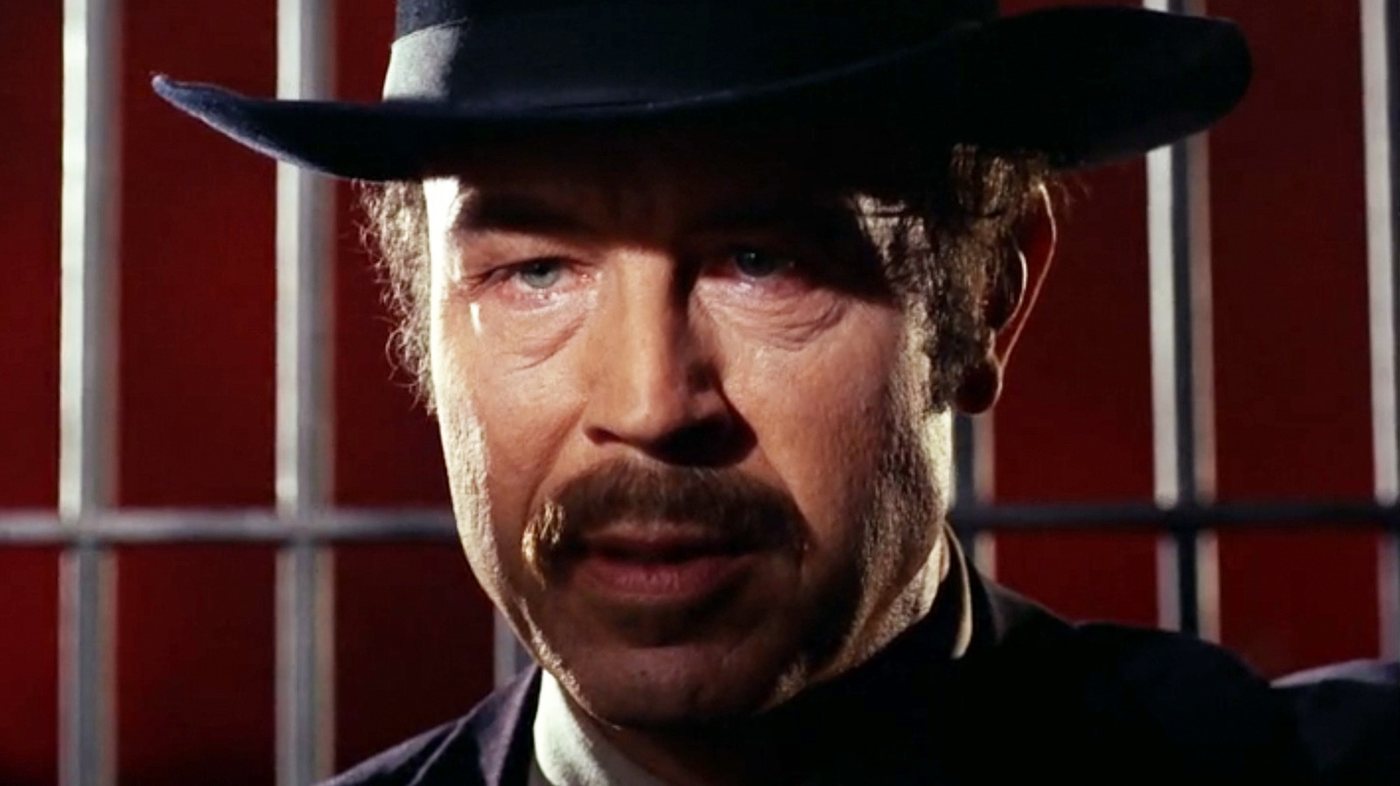
Charles Maxwell, the actor familiar to television audiences as the radio announcer on Gilligan's Island, also made a notable appearance in one of The Twilight Zone's most enduring episodes. Maxwell's small but effective role in the series remains a point of interest for fans of classic television, highlighting the depth of talent that populated early TV productions.
The episode in question, titled «The Hitch-Hiker,» was part of The Twilight Zone's first season and has been praised for its unsettling atmosphere and timeless themes. It originally began as a radio play written for Orson Welles, demonstrating the cross-pollination between radio and television during the medium's golden age. Maxwell's contribution to the episode, though brief, added to its eerie quality and is worth revisiting for viewers interested in the roots of anthology storytelling.
Maxwell's career spanned both radio and television, and his work on Gilligan's Island cemented his voice in the minds of a generation. His role as the radio announcer provided a recurring narrative thread on the beloved sitcom, often delivering news that contrasted with the castaways' isolated existence. That same vocal presence translated effectively to The Twilight Zone, where subtle performances often carried significant weight.
The Twilight Zone served as a proving ground for many actors who would later become household names. One of its earliest episodes featured a future sitcom legend, Ted Knight, who would go on to star in «The Mary Tyler Moore Show» and «Too Close for Comfort.» Knight's appearance in the series is another example of how The Twilight Zone attracted talent that would define subsequent decades of television. Similarly, the actor who played the gorilla on Gilligan's Island later had multiple roles on Star Trek, even designing aliens for the sci-fi classic. These connections illustrate the interconnected nature of Hollywood's creative community during the 1960s.
Maxwell's episode, «The Hitch-Hiker,» is particularly notable for its adaptation from a radio play by Lucille Fletcher, originally written for Orson Welles's Mercury Theatre. The story follows a driver who repeatedly encounters a mysterious hitchhiker while traveling across the country. Its transition to television retained the chilling ambiguity that made the radio version a success. Maxwell's role, though minor, contributed to the episode's tense atmosphere, and his performance is a reminder of how even small parts can leave a lasting impression.
For modern viewers, revisiting «The Hitch-Hiker» offers a glimpse into the early days of The Twilight Zone, when the series was still establishing its identity as a home for thought-provoking science fiction and horror. The episode's themes of paranoia and fate remain relevant, and its technical execution, considering the era's limitations, is impressive. Maxwell's involvement adds another layer of interest, connecting it to the broader landscape of 1960s television.
Charles Maxwell may be best remembered for his work on Gilligan's Island, but his appearance in The Twilight Zone underscores the versatility of actors who moved between genres and mediums. As audiences continue to discover classic television, performances like his serve as a bridge between the radio era and the visual storytelling that followed. The episode stands as a testament to the enduring power of well-crafted suspense and the talented character actors who brought it to life.
37