Culture 5 min read By Mason Emerson
BBC News Chief Rachel Jupp Warns Broadcaster Must Adapt Urgently to Reach TikTok Generation
In her first message to staff as director of news, Rachel Jupp said BBC News must urgently adapt to meet younger audiences where they consume content, making the TikTok generation a top priority.
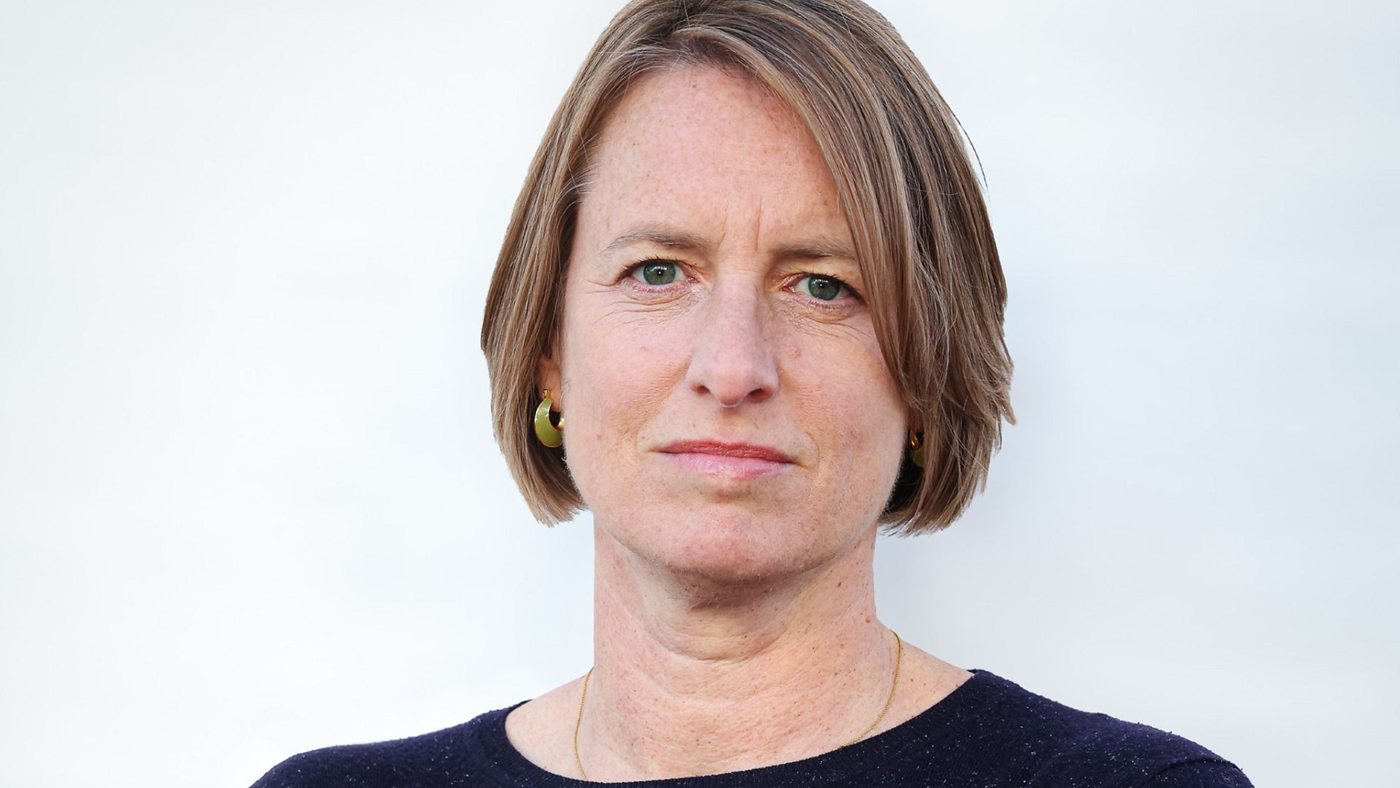
The BBC's newly appointed director of news, Rachel Jupp, has told staff that winning back young audiences will be one of her central priorities, warning that the broadcaster must adapt urgently to reach viewers who now get their information from social platforms rather than traditional television bulletins.
In her first message to staff since being named to the role last week, Jupp said BBC News needs to meet audiences where they already consume content, a shift that places platforms such as TikTok at the heart of the organization's editorial strategy. Her comments signal that the future of one of the world's most recognized news operations will be shaped by how effectively it can compete for attention among younger viewers who increasingly bypass conventional broadcasters.
The warning reflects a broader challenge facing legacy news organizations on both sides of the Atlantic. Younger audiences have drifted steadily away from scheduled television news and toward short-form video, creator-led commentary and algorithmic feeds, where attention is fragmented and loyalty is harder to build. For the BBC, whose global reputation rests on reach and authority, failing to connect with that generation carries consequences not only for ratings but for the long-term relevance of its journalism.
Jupp's message to staff framed the task as urgent rather than gradual, suggesting she views the shift in audience behavior as a defining test for the news division she now leads. The phrasing indicates that adaptation will not be limited to cosmetic changes, but will touch how BBC News produces, packages and distributes its reporting across digital and social channels.
Her appointment was announced last week, and her first internal communication has quickly become a signal of direction for a newsroom that operates under intense public scrutiny in the United Kingdom and serves audiences worldwide. The director of news role carries responsibility for editorial standards, output across television, radio and digital, and the division's ability to justify its funding through demonstrable public value.
The TikTok generation presents a particular puzzle for public service broadcasters. The platform rewards speed, personality and native formats, while traditional news values emphasize verification, context and restraint. Bridging those instincts without diluting editorial standards is the balance Jupp now has to strike, and her emphasis on meeting audiences where they are suggests she intends to push the organization further into that territory.
Her comments also arrive at a moment when competition for young viewers is intensifying. Streaming services, social platforms and independent news creators all vie for the same attention, often with fewer legacy constraints and faster production cycles. For the BBC, the stakes extend beyond audience numbers: its claim to a universal public service mandate depends on reaching a population that no longer gathers around a single screen at a fixed hour.
Jupp's internal message did not detail specific initiatives, but the framing of the challenge as urgent gives an early indication of how she intends to lead. Winning over younger audiences is now positioned as a strategic necessity rather than an optional outreach effort, and the coming months are likely to reveal how that priority translates into programming, hiring and digital investment.
For an institution whose news brand is known globally, the task is as much cultural as technological. Adapting to the habits of the TikTok generation means rethinking how stories are told, who tells them and where they appear, while preserving the credibility that distinguishes the BBC from the flood of competing voices online. Jupp's first message to staff makes clear she believes that work cannot wait.
23