Culture 4 min read By Trevor Kendall
Ava DuVernay's '14th' Closes New York Film Festival With Urgent Defense of the Constitution
Ava DuVernay's new documentary '14th' premiered as the closing-night film of the New York Film Festival, examining the 14th Amendment and warning about threats to constitutional rights ahead of the midterm elections.
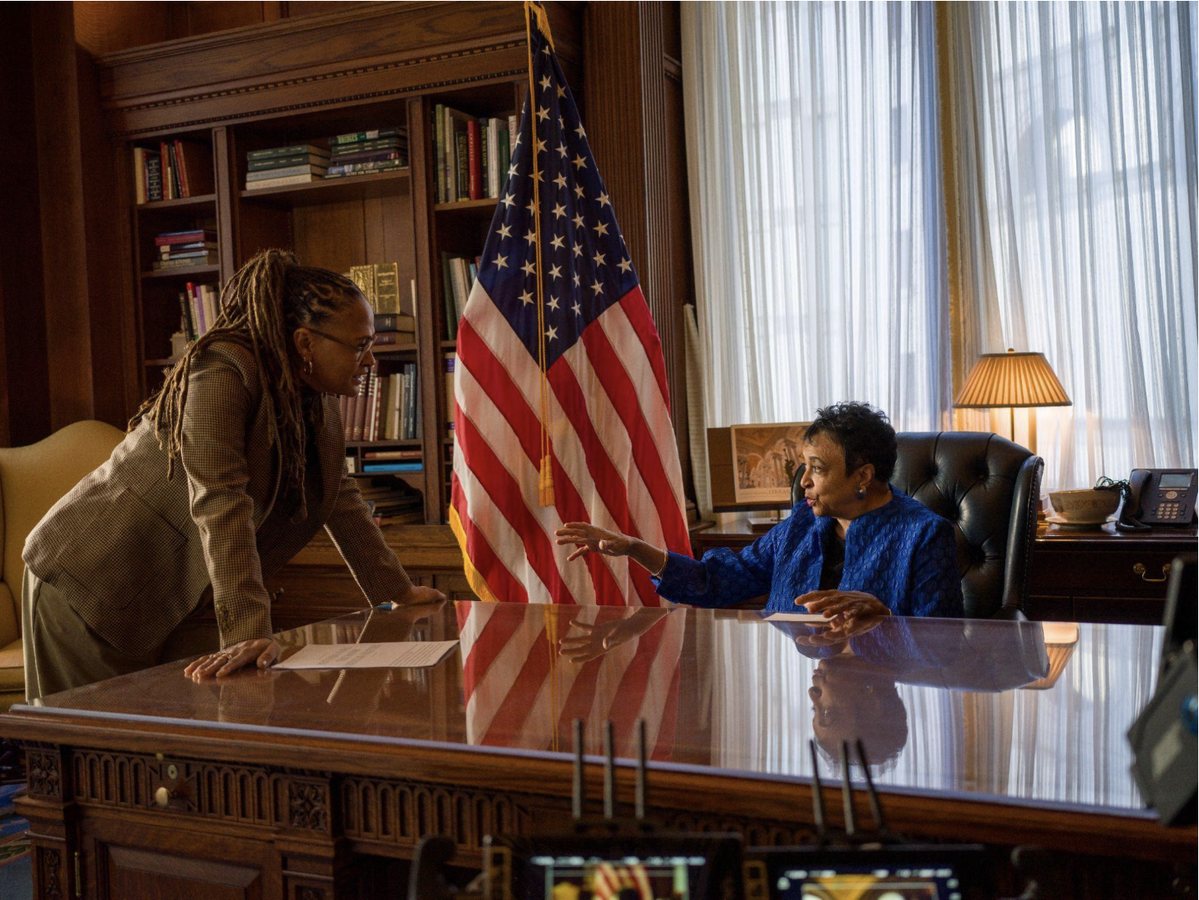
Ava DuVernay's latest documentary, «14th», made its debut as the closing-night selection of the New York Film Festival, bringing the director's impassioned defense of the U.S. Constitution to one of the fall season's most prominent stages. The film examines the 14th Amendment and its central role in American democracy, arriving just weeks before the midterm elections.
The documentary opens with a montage of American presidents taking the oath of office — Franklin D. Roosevelt, Dwight D. Eisenhower, John F. Kennedy, Lyndon B. Johnson, Richard Nixon, Jimmy Carter and Ronald Reagan — each pledging to «preserve, protect, and defend the Constitution of the United States.» From there, DuVernay builds a case that the amendment's guarantees of citizenship, equal protection and due process are under active threat.
Unlike many of the season's most discussed films, «14th» does not focus on artificial intelligence or the influence of technology billionaires. Instead, it turns its attention to the legal and historical foundations of American democracy, positioning the 14th Amendment as a living document whose protections remain essential and contested.
The film is a follow-up to DuVernay's acclaimed «13th», which examined the 13th Amendment's exception for criminal punishment and its role in the history of mass incarceration. Critics have described «14th» as a powerful companion piece, one that shares its predecessor's ability to make complex constitutional history accessible without sacrificing urgency.
In remarks tied to the film's release, DuVernay warned that the country is facing a dangerous moment. «We're in the midst of something very sinister, something very dangerous,» she said, framing the documentary as a response to what she describes as an attempted rescission of rights. The director has aimed her criticism squarely at former President Donald Trump and the broader political movement that has sought to reinterpret or roll back constitutional protections.
The timing of the premiere places the film directly in the national conversation surrounding the midterm elections. By focusing on the 14th Amendment, DuVernay highlights questions of birthright citizenship, equal protection and the legal architecture that underpins civil rights — issues that have repeatedly surfaced in recent political debates.
Reviews of «14th» have emphasized DuVernay's gift for turning constitutional history into something immediate rather than academic. One critic noted that the film cuts through the «dusty complacency» with which Americans often regard the Constitution, showing it as a living, breathing document that is ignored at the country's peril. That approach echoes the style DuVernay has refined across her documentary work: mainstream and accessible, yet deeply researched and pointed in its arguments.
The New York Film Festival closing-night slot gives the documentary a high-profile launch ahead of its wider release. For a publication season dominated by films about technology and wealth, «14th» stands out as a work of civic argument, one that treats the Constitution not as a settled relic but as a battleground.
DuVernay's film ultimately functions as both a history lesson and a warning. By tracing the promises embedded in the 14th Amendment and the forces that have worked against them, «14th» asks viewers to consider what is at stake when those promises are weakened — and what it means to defend them now.
23