Culture 4 min read By Lauren Baxter
Alex Gibney Says Universal Hesitated on Overseas Release of 'Musk' Documentary
Director Alex Gibney reveals Universal Pictures wavered on planning an international release for his Elon Musk documentary, and that his interview request was met with a dismissive written response from Musk.
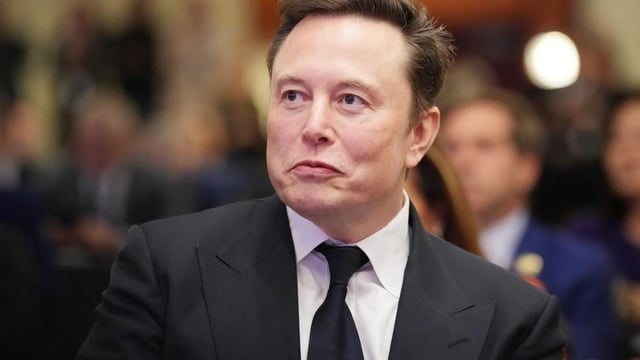
Alex Gibney, the director behind the new documentary «Musk,» has confirmed that Universal Pictures hesitated when it came to planning an international release for the film. In an interview with The New York Times, Gibney discussed the challenges of bringing the three-hour-and-45-minute project to overseas audiences and the resistance he encountered from the studio.
The documentary, which centers on Elon Musk, does not feature the tech billionaire in any on-camera appearance. Gibney said he made repeated efforts to secure an interview with Musk for the film, but those attempts were unsuccessful. According to Gibney, Musk's response to the request was not a standard decline. Instead, Musk wrote a brief and dismissive message: «Gibney is a douche.»
Gibney's account sheds light on the behind-the-scenes tensions surrounding the film, which examines Musk's rise and the broader cultural impact of his companies. The director suggested that Universal's hesitation about an international rollout may have been tied to concerns about how the film would be received in markets where Musk has significant business interests or public prominence.
Universal Pictures has not publicly commented on Gibney's characterization of the studio's planning. The documentary's domestic release has already drawn attention for its critical portrayal of Musk, and the question of an overseas release remains unresolved. For a film that aims to reach a global audience, the lack of a confirmed international plan is notable, especially given Musk's worldwide profile.
Gibney is known for directing documentaries that tackle powerful figures and institutions, including «Going Clear» and «The Inventor.» His approach often involves extensive research and attempts to engage directly with his subjects, even when they decline to participate. In the case of «Musk,» the absence of its central figure on screen places the focus on archival footage, interviews with associates, and Gibney's own narrative framing.
The director's comments also highlight the delicate balance studios face when distributing films about controversial public figures. An overseas release can be complicated by legal, political, and commercial factors, particularly when the subject is a business leader with global operations. Universal's reported wavering suggests that such considerations were in play.
Musk himself has not responded publicly to the documentary beyond the reported written remark. His companies, including Tesla and SpaceX, continue to operate internationally, and his public statements often generate widespread media coverage. The documentary adds another layer to the ongoing public conversation about his influence and the ways in which his persona is portrayed in popular culture.
For now, audiences outside the United States may have to wait to see «Musk» in theaters or on streaming platforms. Gibney's interview makes clear that the path to an international release has not been straightforward, and that the film's distribution remains a subject of discussion. The director's willingness to speak openly about the studio's hesitation and his failed interview attempt offers a rare glimpse into the friction that can arise when art, commerce, and a polarizing subject intersect.
40