Culture 4 min read By Mason Emerson
Aaron Sorkin Says Reviving 'The West Wing' Would Be 'Very, Very Tricky' in Today's Political Climate
Aaron Sorkin says he thinks about reviving 'The West Wing' every day but warns that making the political drama in the current environment would be 'very, very tricky.'
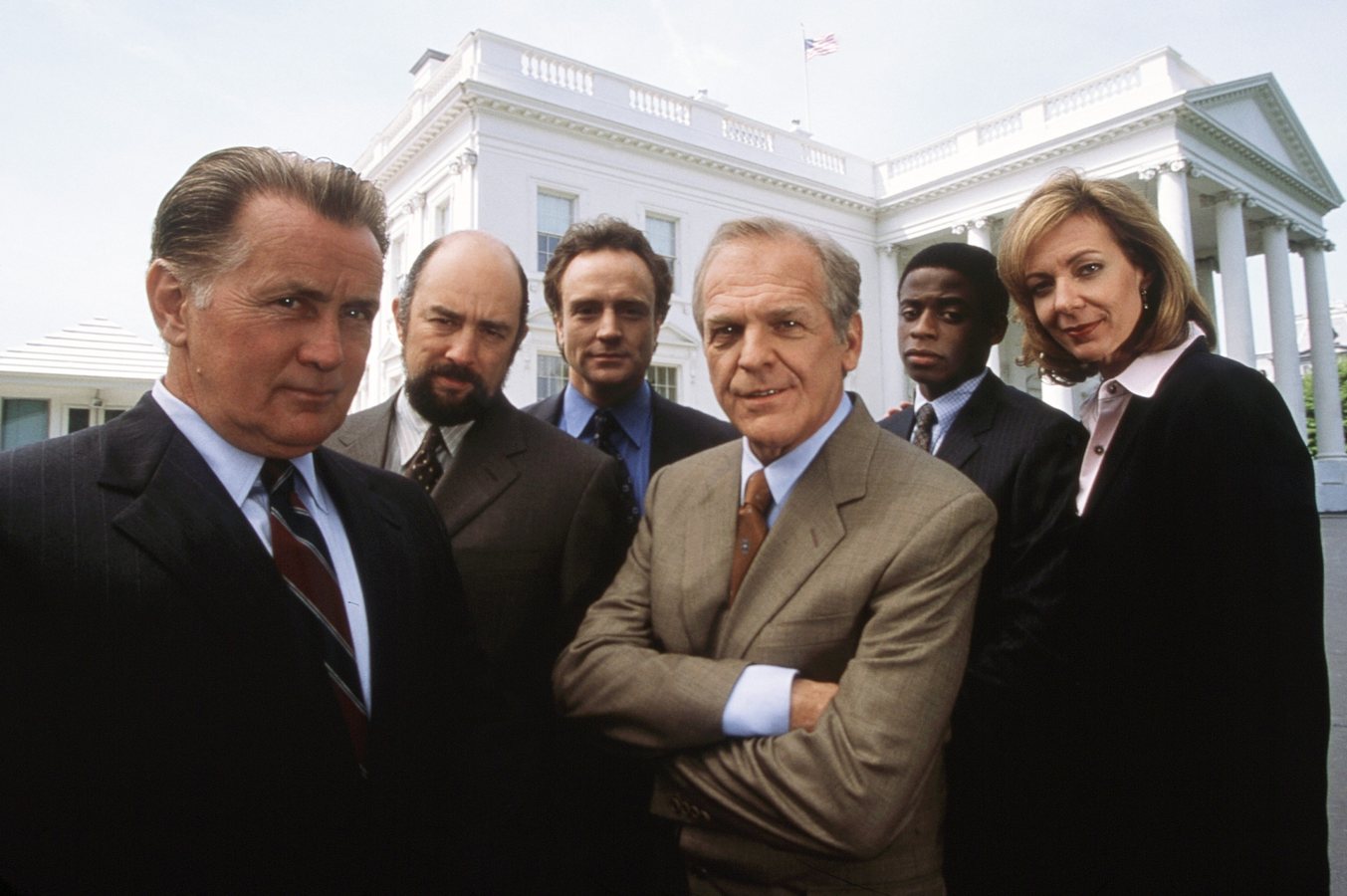
Aaron Sorkin says he still thinks about returning to The West Wing, but he believes the political drama would be difficult to revive in the current environment. In a new interview, the creator and writer said it would be «very, very tricky» to make a show like that today, while admitting that the idea of bringing it back crosses his mind constantly.
«There's probably a couple of seconds every day when I think» about reviving the series, Sorkin said. He added that he misses the show, which remains one of the most celebrated political dramas in television history.
The West Wing ran on NBC from 1999 to 2006 and is widely regarded as one of the best TV shows ever made. Created by Sorkin, it followed the staff of a fictional U.S. president and became known for its rapid-fire dialogue, idealistic view of public service, and behind-the-scenes look at White House decision-making. The series won multiple Emmy Awards and remains a touchstone for viewers interested in politics and government.
Sorkin's comments come as television networks and streaming platforms continue to revisit beloved series from the past. Revivals and reboots have become a staple of the entertainment industry, driven by familiar titles that already have built-in audiences. But political dramas face a particular challenge: the real-world political landscape has changed dramatically since The West Wing signed off nearly two decades ago, and the tone and assumptions of the show might not translate easily to the present moment.
The writer did not offer specifics about what a revival might look like or whether any formal discussions have taken place. His remarks suggest that while the idea remains appealing to him personally, the practical and creative obstacles are significant. A show built around an aspirational White House would have to navigate a media environment, a political culture, and a set of audience expectations that are very different from those of the late 1990s and early 2000s.
For fans of the series, Sorkin's admission that he thinks about it daily is likely to renew speculation about a possible return. The show's cast and creative team have occasionally been asked about a revival over the years, and the idea has never fully disappeared from public conversation. Still, Sorkin's latest comments suggest that any return would depend on finding a way to make the material work in a climate that has changed since the Bartlet administration left office on screen.
Whether that happens remains uncertain. For now, Sorkin appears to be weighing his affection for the show against the difficulty of recreating its particular brand of political storytelling. The series continues to be streamed and discussed, and its influence on later political dramas is widely acknowledged. But as Sorkin himself indicates, nostalgia alone may not be enough to bring The West Wing back in a form that would satisfy either its creator or its audience.
19