Business 3 min read By Mason Emerson
FIFA Opens U.S. Media Rights Bidding for 2030 World Cup With 2034 Option
FIFA has launched the U.S. and Puerto Rico media rights auction for the 2030 men's World Cup, offering bidders an option to also secure the 2034 tournament. Streaming platforms including Netflix and YouTube are among the potential suitors.
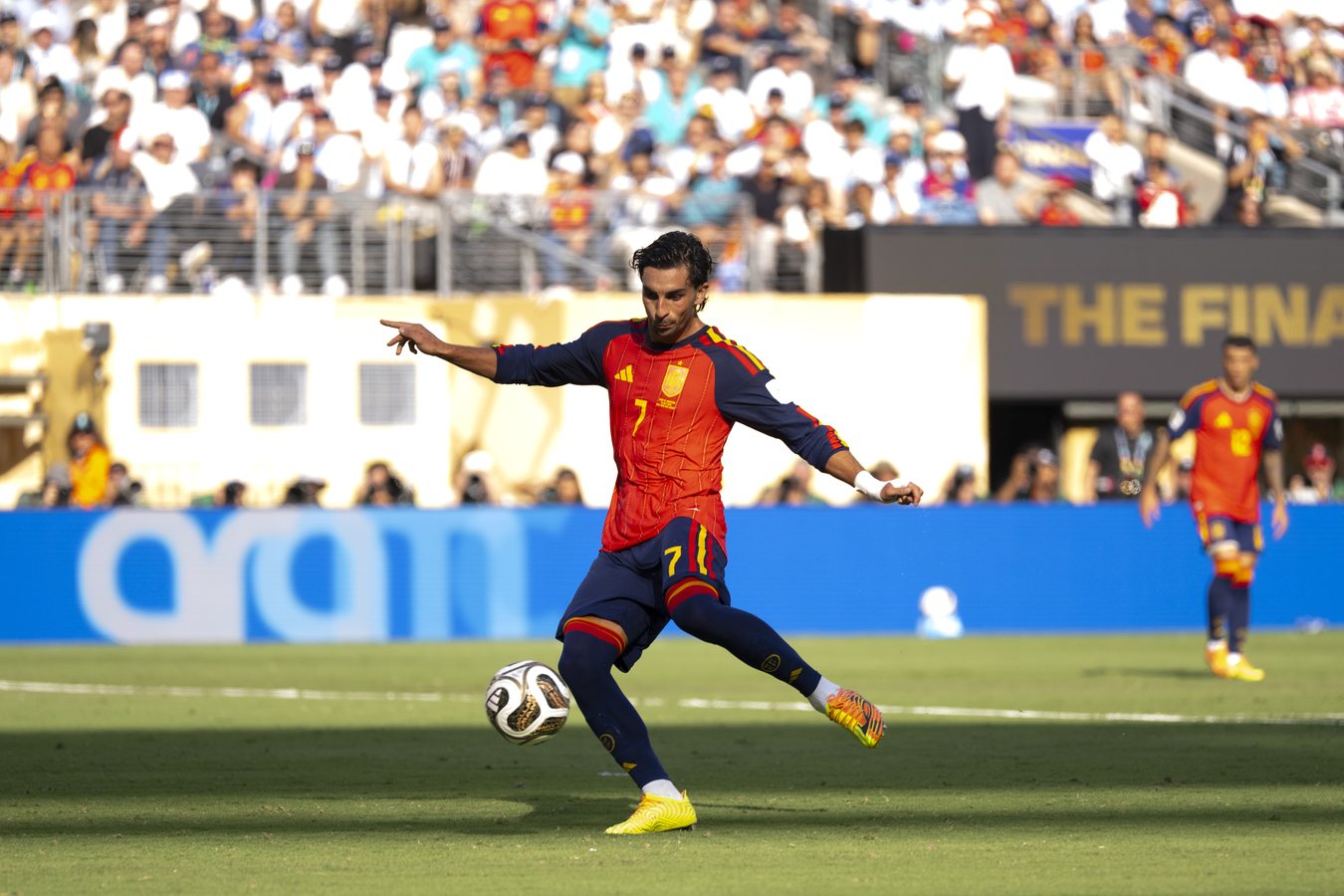
FIFA has opened the bidding process for U.S. media rights to the 2030 men's World Cup, and the auction includes an option for interested parties to also pursue the 2034 edition of the tournament. The rights on offer cover the United States and Puerto Rico, according to press reports Thursday.
The move comes after a record-setting World Cup last summer, a tournament that benefited from an expanded field and a base in ratings-friendly North America. Those factors have raised expectations for the value of the next cycle of U.S. rights, and FIFA is moving early to lock in a deal years before the 2030 tournament kicks off.
The bidding pool is expected to extend beyond traditional sports broadcasters. Streaming platforms including Netflix and YouTube are among the potential suitors for the package, signaling that the competition for major live sports rights now spans both legacy television networks and digital-first companies.
Bundling the 2030 rights with an option on 2034 gives FIFA a way to secure long-term commitments from media partners while giving bidders a path to two consecutive tournaments. For prospective buyers, the option offers a chance to build a sustained soccer audience over a longer horizon rather than treating a single World Cup as a one-off event.
The timing of the auction is notable. The next World Cup is still years away, but the rights market for global soccer has become increasingly competitive, and FIFA is seeking to capitalize on the momentum from the most recent tournament. The expanded format and North American setting produced strong ratings, which the governing body is likely to cite as evidence of the event's growing appeal to U.S. audiences.
For U.S. media companies, World Cup rights represent one of the few remaining properties capable of drawing massive live audiences across language groups and demographics. That scarcity value has driven up prices for sports rights generally, and FIFA's decision to open the process now suggests it expects robust interest.
The inclusion of Puerto Rico in the rights territory reflects the event's broad reach across U.S. jurisdictions. Details on the structure of the auction, the deadline for bids, and the specific packages on offer have not been fully disclosed.
FIFA has not announced a timeline for awarding the rights. The outcome will shape how American audiences watch the 2030 tournament and potentially the 2034 edition, and it will test whether streaming platforms can compete with established broadcasters for the most-watched sporting event on the planet.
18