Business 4 min read By Mason Emerson
David Zaslav Collects $606 Million Payout as Paramount Closes Warner Bros. Discovery Acquisition
Former Warner Bros. Discovery CEO David Zaslav received just over $600 million after handing over his WBD shares to Paramount at $31 each, according to an SEC filing that details the October 6 exchange of common stock and options.
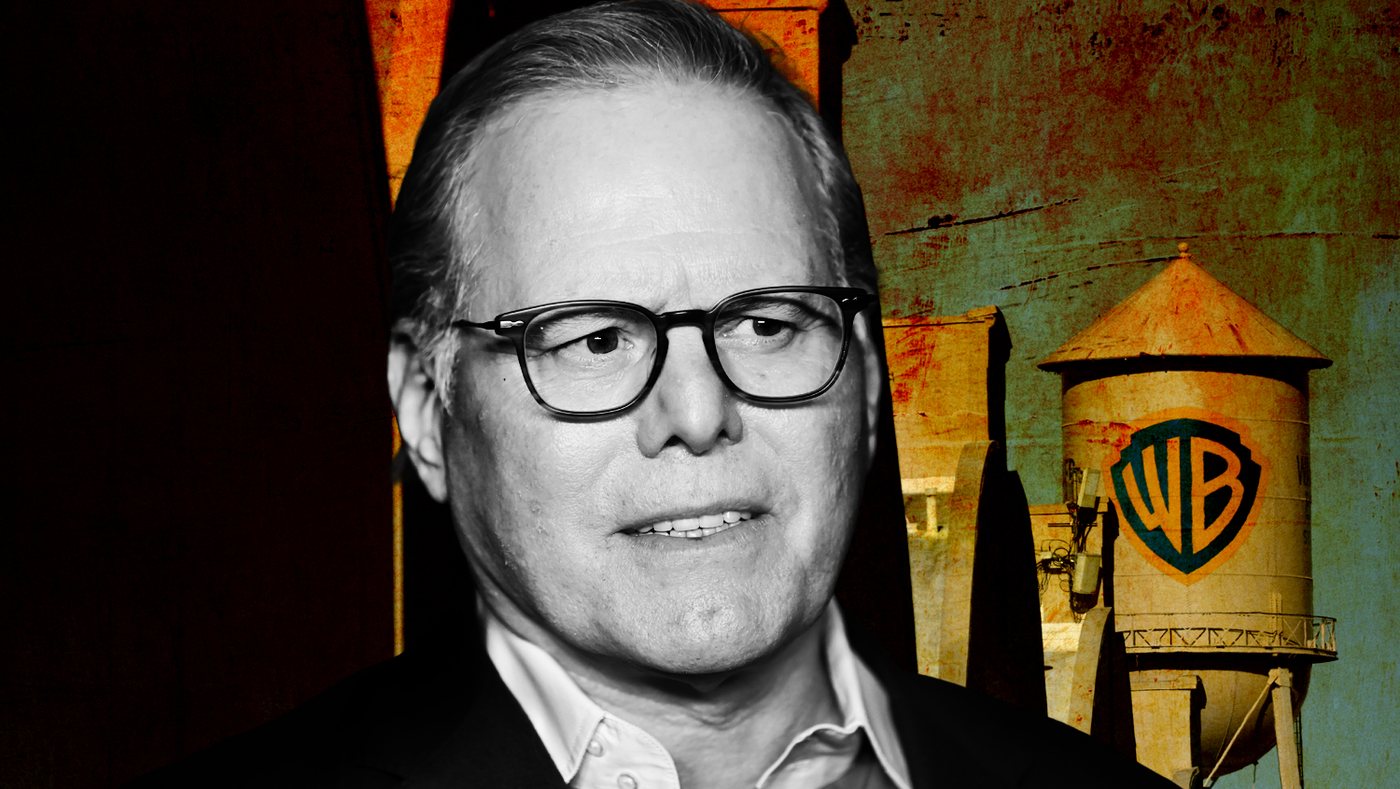
David Zaslav, the former chief executive of Warner Bros. Discovery, collected a payout of roughly $606 million as Paramount completed its acquisition of the media company, according to a regulatory filing that disclosed the terms of his exit.
The SEC filing shows that Zaslav exchanged tranches of common stock and options on October 6, the same day Paramount closed its purchase of WBD and began integrating the studio into its own operations. The shares were handed over at $31 each, producing a windfall that places Zaslav among the most richly compensated executives to depart a major Hollywood conglomerate in recent years.
Zaslav had served as president and CEO of Warner Bros. Discovery for more than four years, a period in which he assembled the company through the merger of WarnerMedia and Discovery and then steered it through a turbulent stretch of streaming economics, cost-cutting, and restructuring. His tenure ended when the board agreed to sell the business to Paramount, the studio led by David Ellison.
The payout reflects the mechanics of a deal that converted Zaslav's equity position into cash at a fixed price. Because the filing lists both common stock and options, the total represents the combined value of the shares he held and the options he exercised as the transaction closed. The $31-per-share figure served as the reference point for the exchange, and the resulting sum exceeded $600 million.
For Paramount, the completion of the acquisition marks the end of a long courtship and the start of a complex integration. The company now absorbs a portfolio that includes one of Hollywood's most storied film and television libraries, along with the streaming assets and cable networks that Warner Bros. Discovery assembled. Executives have framed the combination as a way to compete at greater scale against rivals that have spent heavily on content and direct-to-consumer platforms.
Zaslav's departure package is likely to draw scrutiny from shareholders and governance watchdogs, who have increasingly questioned the size of executive payouts when mergers produce mixed results for investors. The filing does not indicate any severance beyond the equity conversion, but the sheer scale of the figure ensures it will be cited in debates over how media consolidation rewards the executives who negotiate it.
The disclosure also provides a rare window into the financial architecture of a major media merger at the moment of closing. While Paramount and Warner Bros. Discovery had publicly outlined the strategic rationale for the deal, the specific terms of Zaslav's equity exchange were not widely known until the filing was made public.
Zaslav's exit closes a chapter that began with the 2022 combination of WarnerMedia and Discovery, a transaction he championed as a way to build a content powerhouse capable of competing with Netflix and Disney. The years that followed brought layoffs, write-downs, and a recalibration of streaming strategy across the industry. Now, with Paramount in control, the company he led becomes part of a different corporate story.
Paramount has not detailed how it will manage the transition or whether further changes to the combined company's leadership are planned. For now, the filing confirms the financial terms of Zaslav's departure and the price at which his stake in Warner Bros. Discovery was converted into one of the largest single payouts of the recent merger cycle.
40