
Business 4 min read By Mason Emerson
Blue State AGs Back Paramount in Antitrust Settlement Fight With Sen. Cory Booker
A dozen state attorneys general and Paramount are defending their $111 billion merger settlement against criticism from New Jersey Sen. Cory Booker, arguing the negotiated deal includes necessary compromises and should not face an independent public interest review.
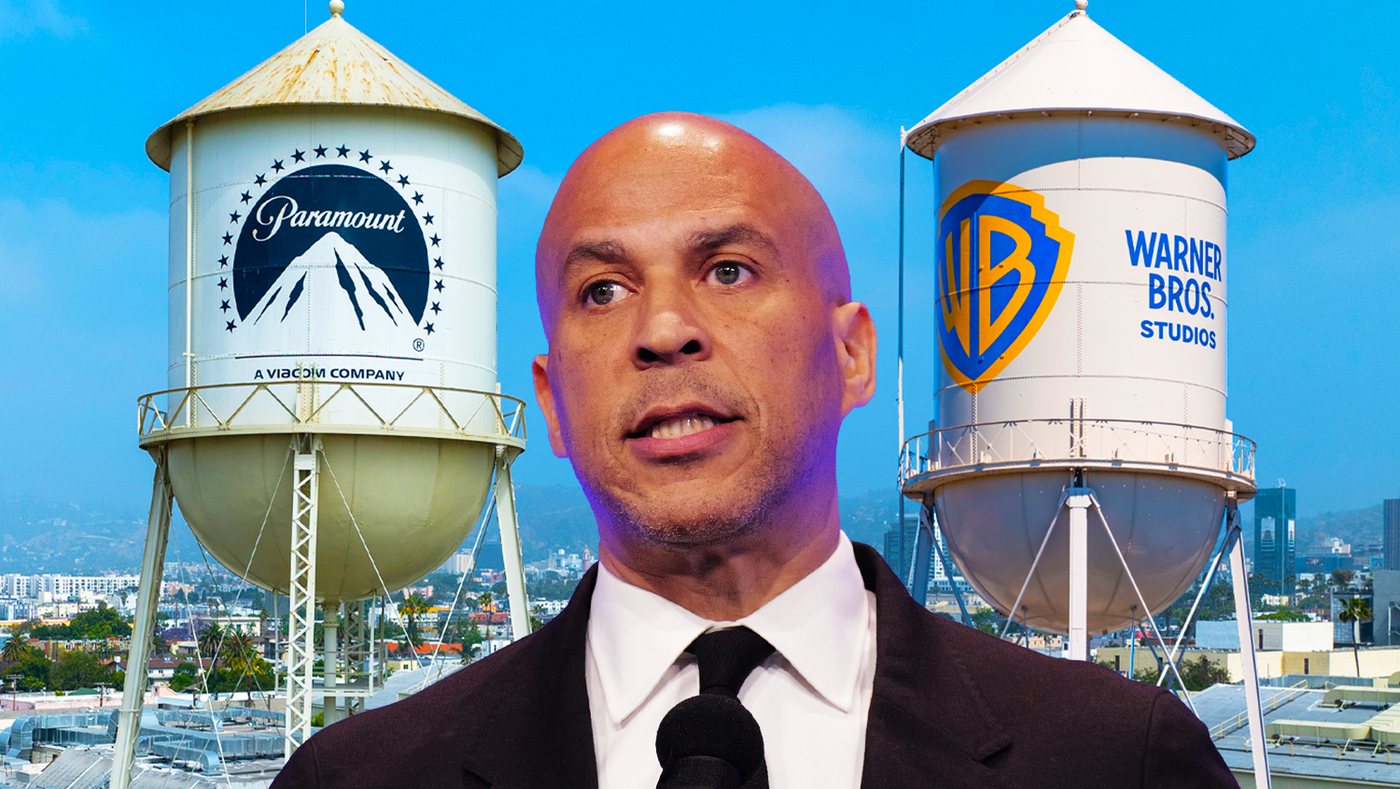
Paramount and a coalition of twelve Democratic state attorneys general are pushing back against New Jersey Sen. Cory Booker over his opposition to the antitrust settlement tied to the company's $111 billion merger with Warner Bros. Discovery, arguing that the negotiated agreement reflects the compromises inherent in any multilateral deal and should not be reopened for an independent public interest review.
In separate filings, Paramount and the state AGs defended the consent decree as vigorously negotiated and said it carries real enforcement teeth. The coalition's central argument is that a proposed consent decree does not need to contain every outcome one party may have wanted in a multilateral negotiation, and that the settlement already accounts for the interests of all parties involved.
The dispute centers on Booker's criticism of the settlement, which he raised publicly the previous week. The senator's objections prompted the unusual response from the state attorneys general, who typically negotiate antitrust consent decrees alongside federal authorities and the companies involved. The AGs' decision to weigh in directly signals how seriously they view the challenge to the deal's terms.
At stake is the merger between Paramount and Warner Bros. Discovery, a combination valued at $111 billion that would reshape the entertainment and media landscape. The settlement is designed to address antitrust concerns arising from the deal, and the states involved have argued that the agreed-upon remedies are sufficient to protect competition without requiring further review.
Paramount's defense of the settlement emphasizes that the negotiations produced a deal with enforceable provisions, not a hollow agreement. The company and the states contend that subjecting the consent decree to an additional public interest review would undermine the negotiation process and could unravel a carefully constructed compromise.
Booker, a prominent Democratic senator from New Jersey, has been vocal in his opposition to the settlement terms. His criticism has drawn a rare public rebuke from the state AGs, who suggested that a party to a multilateral negotiation cannot expect to secure every desired outcome when compromises are required to reach an agreement.
The filings from Paramount and the states represent a coordinated effort to shore up support for the settlement as it moves through the approval process. The states' intervention is notable because it places a dozen Democratic attorneys general at odds with a Democratic senator over the terms of a major corporate merger.
The outcome of the dispute could have significant implications for how antitrust settlements in major media mergers are handled going forward. If the settlement stands without additional review, it would reinforce the principle that negotiated consent decrees are final once the parties have reached agreement. If Booker's objections gain traction, it could open the door to broader challenges of similar deals.
For now, Paramount and the state coalition are holding firm, arguing that the settlement is fair, negotiated in good faith, and should be allowed to proceed without further interference. The company has not indicated any willingness to renegotiate terms, and the states have made clear they view the current agreement as the appropriate resolution.
The case highlights the tension between corporate consolidation in the entertainment industry and the role of elected officials in scrutinizing deals that affect consumers, workers, and competition. As the merger proceeds, the debate over the settlement's adequacy is likely to continue, with both sides dug in on their positions.
17