Business 7 min read By Trevor Kendall
Berkshire’s Buffett-to-Abel Era Just Got Its First Big Money Shift
The post-Buffett transition now has real numbers: nearly $20 billion of net stock buying, a $10 billion Alphabet bet and about $4.5 billion of Berkshire buybacks.
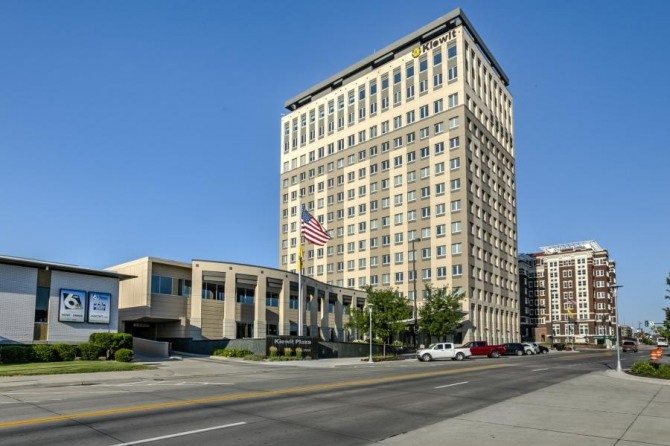
The Berkshire Hathaway succession story finally has something more concrete than speeches, annual-meeting rituals and comparisons with Warren Buffett. It has a money trail. In the second quarter of 2026, Berkshire under CEO Greg Abel became a net buyer of stocks for the first time in 14 quarters and began shrinking the giant cash pile that had become part of the company's public image.
Berkshire bought about $23.5 billion of publicly traded shares and sold roughly $3.7 billion. Net buying came to around $19.8 billion. For a company that had spent years selling more equities than it purchased, that is the kind of shift that instantly gets interpreted as a personality change at the top.
The splashiest known move was a $10 billion investment in Alphabet. A Berkshire affiliate participated in a private placement as Alphabet raised huge amounts of capital to expand AI infrastructure and computing capacity. Berkshire received more than 28 million Class A and Class C shares combined, according to SEC filings.
The symbolism is irresistible: the company made famous by Buffett's long preference for understandable, cash-generating businesses is putting a massive check into the parent of Google during an AI spending boom. But the better interpretation is less dramatic. Alphabet is already a giant, profitable business capable of absorbing a Berkshire-sized investment without turning the transaction into a takeover.
Berkshire also spent about $4.5 billion buying its own shares in the quarter. The company had restarted repurchases on March 4 after nearly two years without them. That makes the new era's first big capital story partly self-referential: one of the stocks Berkshire decided looked attractive was Berkshire.
Then came housing. The company agreed to acquire Taylor Morrison for $72.50 a share. The headline equity value was about $6.8 billion, while enterprise value was roughly $8.5 billion. The deal closed July 24, after the second quarter ended, so it is not part of the June cash balance. It does, however, add another recognizable piece to a conglomerate that already owns major housing-related businesses.
All that activity brought the liquidity reserve down from roughly $397.4 billion at the end of the first quarter to around $365 billion by the end of June. In almost any other company, $365 billion would be the punch line. At Berkshire, it is the amount left after investors started celebrating that management was finally spending.
The company also had a strong earnings quarter. Net income reached about $25.67 billion, more than twice the year-earlier figure, helped by investment gains. Operating earnings rose roughly 16% to $12.98 billion. The distinction matters because Berkshire's reported net income can bounce around with the market value of its holdings, while operating profit gives a steadier view of its sprawling businesses.
Abel became CEO at the start of 2026. Buffett remains chairman, which means the transition is both real and deliberately gradual. That has not stopped people from treating every transaction as a referendum on whether Berkshire can still be Berkshire without Buffett making the final call as chief executive.
Michael Burry has already cast a skeptical vote. MarketWatch reported that the investor wrote on Substack that he no longer finds Berkshire attractive going forward and was unconvinced by the early moves of the new leadership. Coming from the investor associated in popular culture with The Big Short, the comment naturally travels farther than a typical analyst note.
Still, neither fandom nor skepticism should turn one quarter into a mythology. Berkshire has not announced that its core philosophy has changed. The company still maintains an explicit liquidity floor of at least $30 billion, and the actual reserve is more than ten times that. It still has the ability to sit out markets when prices look wrong.
What has changed is the plot. For years, the Berkshire story was about how much cash Buffett was willing to leave untouched. The Abel story has begun with a different question: where can hundreds of billions be deployed without lowering standards? Alphabet, buybacks and Taylor Morrison provide the first answers.
The new plot also changes what audiences should watch. A single big purchase can generate headlines, but Berkshire's real signal is the pattern across quarters. If stocks remain a net destination for cash, buybacks continue and operating-company acquisitions become more frequent, the Abel era will look structurally more active. If those moves stop, the story becomes one of selective opportunism rather than permanent acceleration.
Burry's criticism fits the cultural side of the transition because Buffett's public persona was built as much around patience as around famous winners. A successor who spends faster risks being judged for acting merely because cash exists. A successor who waits risks being compared unfavorably with an idealized version of Buffett. That tension makes Berkshire's succession unusually visible even to people who do not follow corporate finance closely.
The numbers also puncture one popular simplification: Taylor Morrison was not simply a $6.8 billion second-quarter cash purchase. That figure is equity value, enterprise value was around $8.5 billion, and the deal closed on July 24. The cleaner second-quarter evidence is the public-stock flow and the buyback, not a headline total assembled from transactions with different dates and accounting meanings.
Whether the current moves become legendary deals or merely competent ones will take far longer than a quarter to know. That is the uncomfortable part of succession stories: the moment of leadership change is immediate, but the evidence takes years. Berkshire has now supplied the first measurable chapter of the Abel era — less cash, more invested capital and a much more interesting debate about what comes after Buffett.
53