
Technology 5 min read By Morgan Griffin
Your likes are a timeline now, not just clicks
VK’s new personalization model is built to interpret sequences of views, comments and reactions across its social and video products. The feature promises a better feed, but in Russia it also raises a darker question about what a detailed behavioural history can become.
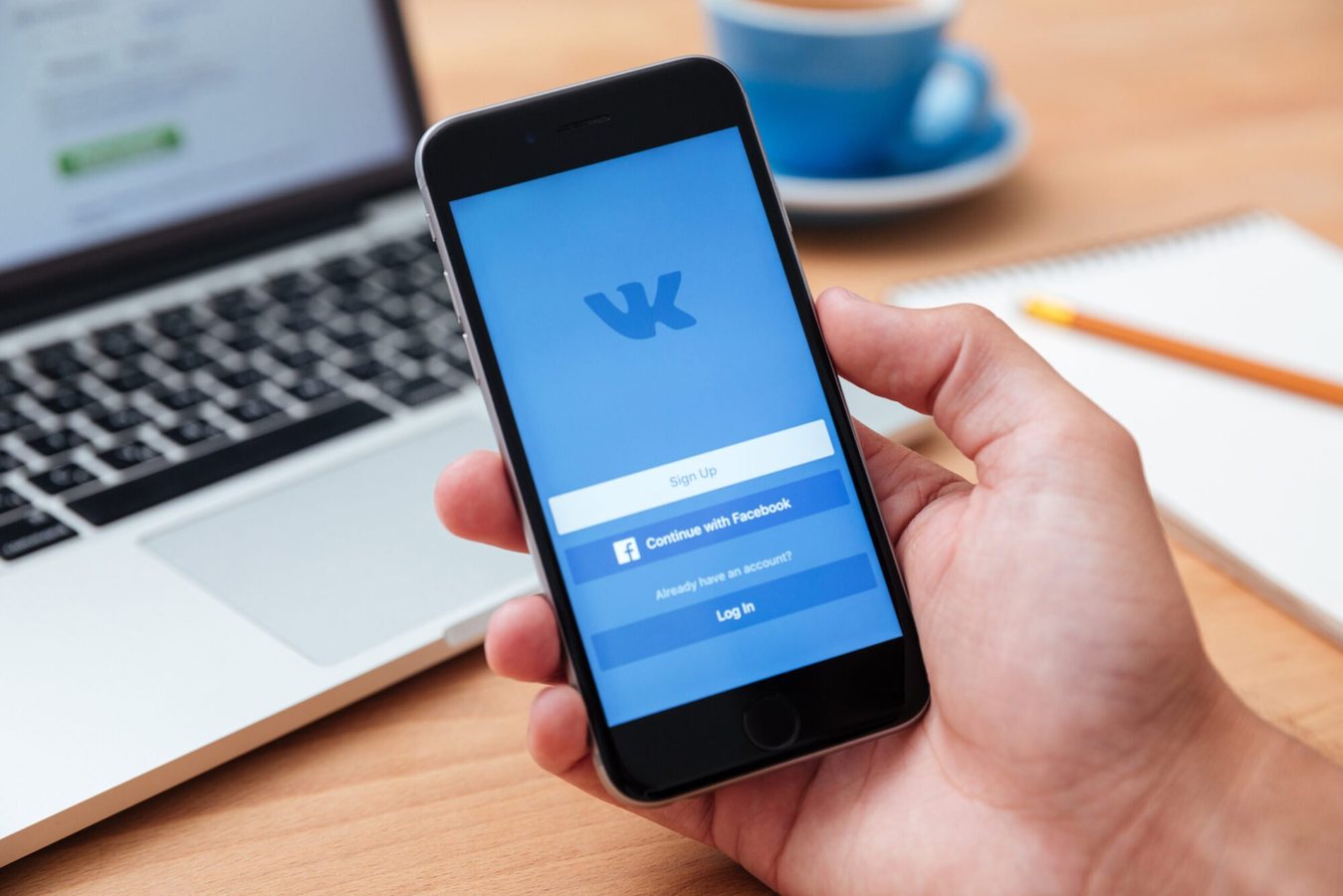
The old mental model of social media is simple: you tap “like,” the app remembers it, and the algorithm shows you something similar. VK’s new “neural profile” is a reminder that modern platforms are much more interested in the story between your taps than in any single tap itself.
The model is described as looking at sequences of behaviour across VKontakte, VK Video and VK Clips. That means a random late-night video can be treated as noise while a week of repeated views, comments, shares and full-screen opens can become evidence of a persistent interest.
For users, this is supposed to feel like a better feed. The platform notices that an old obsession has faded, that a new one is taking over, or that your apparent interest in a topic was just a one-off detour. Ads can adapt at the same time.
VK has the technical plumbing to do that across products. Its Discovery platform unifies recommendation and search systems, and the Discovery AI technology announced in July 2026 is explicitly designed to use interests across the company’s services. VK has also told investors that its models can predict reactions and construct viewer portraits from content interactions.
The rollout materials say the result is more engagement: 15% more sharing, 10% more full-screen opens and 5% more likes. These are company-attributed rollout claims rather than independently verified test results.
In another country, that might mostly be a debate about creepy ads and whether platforms know too much about your taste. In Russia, it sits inside a much heavier surveillance context.
Russian law requires certain internet services to store specified information about users and electronic communications. From January 2026, some of that user and activity data is subject to a three-year retention period. Russia also operates SORM, the country’s technical interception system.
A 2026 European Union regulation describes SORM as monitoring internet use and social networks and says copied traffic can be accessed by the FSB. It also describes collection of location and behavioural information. The Financial Times has reported that the FSB gained a stronger role in controlling the Russian internet from mid-2025.
There is one important limit to the story: there is no public proof that VK’s finished neural profile itself is piped directly to the FSB. The public Discovery materials do not say that, and the retention laws cited here do not identify an internal recommendation profile as a specific deliverable.
But the absence of that direct link does not make the data uninteresting. The point of a neural profile is to extract more meaning from ordinary activity. If a platform can infer that a pattern of videos and comments represents a stable preference, it has transformed a pile of clicks into something closer to a behavioural description.
Scientists have shown how far that logic can go. A 2024 Scientific Reports study used data from 1,358 consenting VK users to model personality-related traits and cognitive characteristics. It was an academic study with informed consent, not a VK product or government program. Still, it makes the broader lesson hard to ignore: social-media behaviour can reveal things that are never written in your bio.
That is why “just don’t post anything sensitive” is no longer a complete privacy strategy. You can reveal patterns without publishing a single dramatic confession. What you repeatedly watch, skip, return to and share can be descriptive on its own.
VK’s neural profile is marketed through relevance: better recommendations, quicker adaptation, smarter advertising. Those benefits are real product goals. The discomfort comes from the same feature. A platform that understands your timeline of attention has something more intimate than a list of likes — and in a high-surveillance political system, that distinction matters.
58