Technology 4 min read By Lauren Baxter
VR Was Supposed to Take Over. Why Are We Still Taking the Headsets Off?
From Nintendo's weird red Virtual Boy to Apple's ultra-premium Vision Pro, VR keeps winning the demo and losing the daily routine. The new winner in wearable tech may be the device that leaves reality alone.
Virtual reality is incredible at parties. Someone puts on a headset, swings at something nobody else can see, laughs, gets startled and hands it to the next person. The problem begins when the party is over.
For decades, VR has been better at creating memorable first experiences than ordinary habits. Nintendo learned that with the Virtual Boy in 1995. The red stereoscopic machine looked like science fiction and sold only about 770,000 units worldwide before disappearing. Google later learned the opposite lesson with Cardboard: make VR cheap enough and millions will try it. The company said five million users had done so by early 2016. Its more ambitious Daydream platform still failed to become a lasting consumer standard.
Then Oculus made VR cool again. Facebook bought the company for about $2 billion, modern headsets became genuinely good and standalone Quest devices removed much of the cable-and-PC hassle. By 2021 Facebook was so committed that it renamed itself Meta and turned “the metaverse” into a mainstream word.
The price of that bet is now almost surreal. Reality Labs has accumulated roughly $92.2 billion in operating losses from 2020 through the first half of 2026. Science Official's deep dive “Why Virtual Reality Keeps Missing the Mass Market” lays out the annual figures and the history behind them.
Before turning that number into a meme, there is a caveat: Reality Labs is bigger than the metaverse. It includes VR, AR, software, wearables and other long-term tech. Some of the money could eventually matter most in products that are not immersive headsets at all.
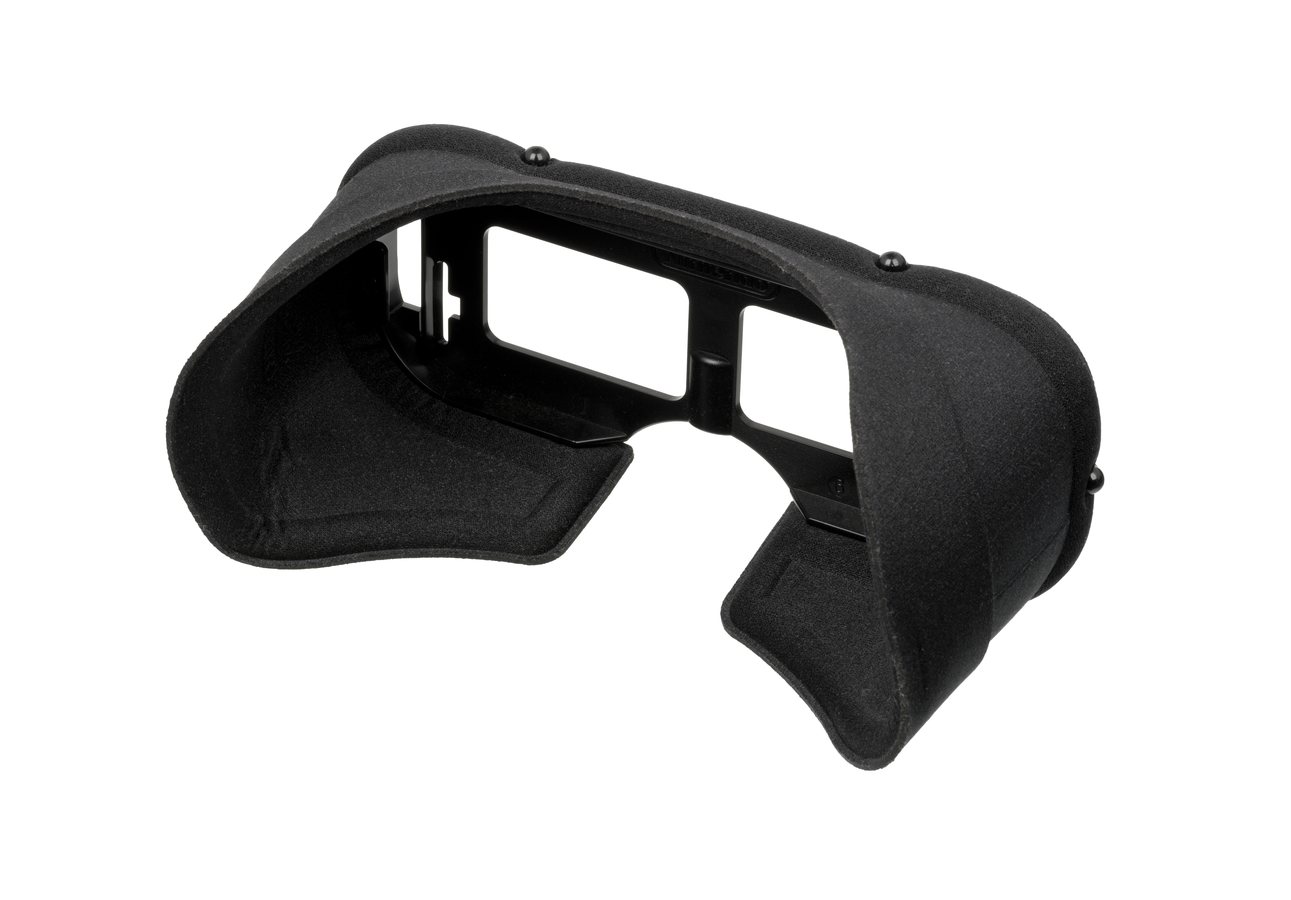
Apple Vision Pro practically screams that hardware quality is no longer the only problem. It is polished, futuristic and expensive. The current M5 model starts at $3,499. It weighs around 750–800 grams, depending on configuration, and its separate battery weighs 353 grams. Apple even added a counterweighted strap to make that mass sit better.
That is the weird reality of futuristic computing: your neck still lives in the present.
Researchers have spent years studying why people feel sick or uncomfortable in head-mounted displays, and the problem has not vanished. Weight and balance matter. Visual motion and the type of VR movement matter. But even a perfectly comfortable headset would face another opponent: social life.
Phones are rude sometimes, but they are easy to put down. Earbuds can come out. A headset announces that you have entered somewhere else. Even with passthrough cameras, the person standing across from you is talking to somebody wearing a slab of technology over their eyes.
That can be exactly what you want in a horror game, a workout or a simulation. It is a lot to ask for a text message, a TikTok clip or a quick email.
The market's latest move is almost comedic after years of maximum-immersion hype. IDC expects about 13.6 million display-less smart glasses to ship in 2026, compared with around 3.2 million mixed-reality devices. The faster-growing wearable category is the one that looks more like normal glasses and less like a portal.
So maybe people never hated the idea of computers on their faces. Maybe they hated what those computers demanded in return. Cameras, audio and AI can ride along with everyday life. Full VR asks everyday life to stop.
The metaverse may survive, but its most popular descendants could look nothing like the giant virtual worlds people were promised. The future might be a pair of glasses that whispers information, takes a photo and then gets out of the way — which is less cinematic, but much easier to keep wearing after the demo ends.
51