Technology 4 min read By Morgan Griffin
GoPro Acquired by Optical Firm Starman for $285 Million
GoPro has agreed to be acquired by Starman Optical in a $285 million merger, ending a months-long search for financial stability. The deal will pivot the action camera maker toward AI, defense, and national security markets.
GoPro has concluded its months-long search for a financial lifeline. Privately-held optical-photonics company Starman Optical, Inc. has entered into a definitive merger agreement with GoPro, Inc. valued at $285 million, according to the companies. The deal brings an end to a period of uncertainty for the action camera pioneer and sets the stage for a strategic pivot into artificial intelligence, defense, and national security applications.
The acquisition marks a significant shift for GoPro, which has spent over a decade grappling with declining sales and intensifying competition from smartphones and rival camera makers. Starman, a company specializing in optical and photonics technology, plans to leverage GoPro's hardware expertise and brand recognition as it expands beyond its traditional consumer electronics roots. The merger is expected to reposition the combined entity toward government and enterprise contracts, where optical sensing and imaging technologies are in high demand.
News of the deal has already rippled through financial markets. GoPro shares surged roughly 40 percent following the announcement, reflecting investor optimism about the company's new direction under Starman's ownership. The stock rally comes as part of a broader market narrative that has seen GoPro pivot toward data center infrastructure and AI-related opportunities, a move that analysts say could open new revenue streams for the struggling hardware maker.
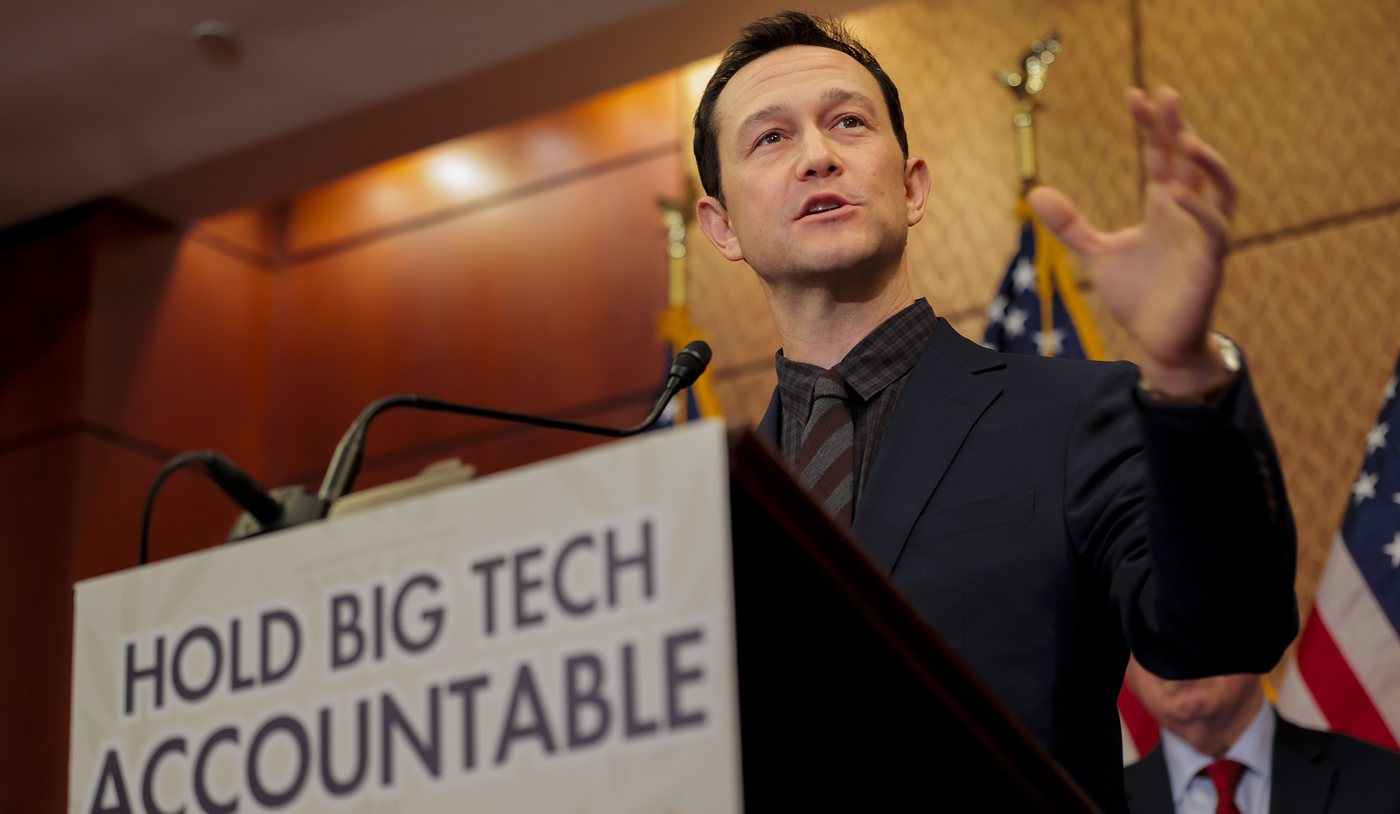
The acquisition also follows notable changes in GoPro's shareholder structure. YouTube star Markiplier, one of the platform's most popular creators, recently became GoPro's largest individual shareholder. His involvement has been seen as a potential bridge between the company's action camera heritage and the massive online creator community that has long been central to its marketing strategy. While Markiplier's exact role in the post-merger company remains unclear, his stake signals continued interest from the content creator ecosystem that GoPro has cultivated for years.
Starman's entry into the consumer electronics space represents a notable expansion for the optical firm, which has primarily operated in specialized photonics markets. The company's expertise in optical systems could complement GoPro's imaging technology, potentially leading to new product lines that serve both civilian and defense-oriented customers. Industry observers have noted that the merger reflects a broader trend of traditional tech companies repositioning themselves to capture growth in AI and national security spending, sectors that have seen substantial investment from both private capital and government budgets.
For GoPro, the deal caps a challenging period marked by layoffs, restructuring efforts, and repeated attempts to diversify beyond its core camera business. The company had explored various strategic options over the past year, including partnerships and potential sales, before settling on the Starman merger. Financial terms of the agreement include the $285 million valuation, though specific details regarding debt assumption and closing conditions have not been fully disclosed.
The transaction is expected to close in the coming months, subject to regulatory approvals and shareholder votes. Once completed, the combined company will operate under Starman's leadership, with GoPro's existing management team expected to oversee day-to-day operations during the transition. Executives from both firms have signaled that GoPro's brand and product lineup will remain intact, at least in the near term, even as the company charts its new course toward AI, defense, and national security markets.
67