Technology 4 min read By Mason Emerson
An AI Farm Helper Earned Trust for a Year — Then Killed the Sesame
A 67-year-old farmer reportedly followed an unnamed chatbot’s pesticide recipe across nearly 25 acres. The viral story is really about how quickly convenience turns into trust.
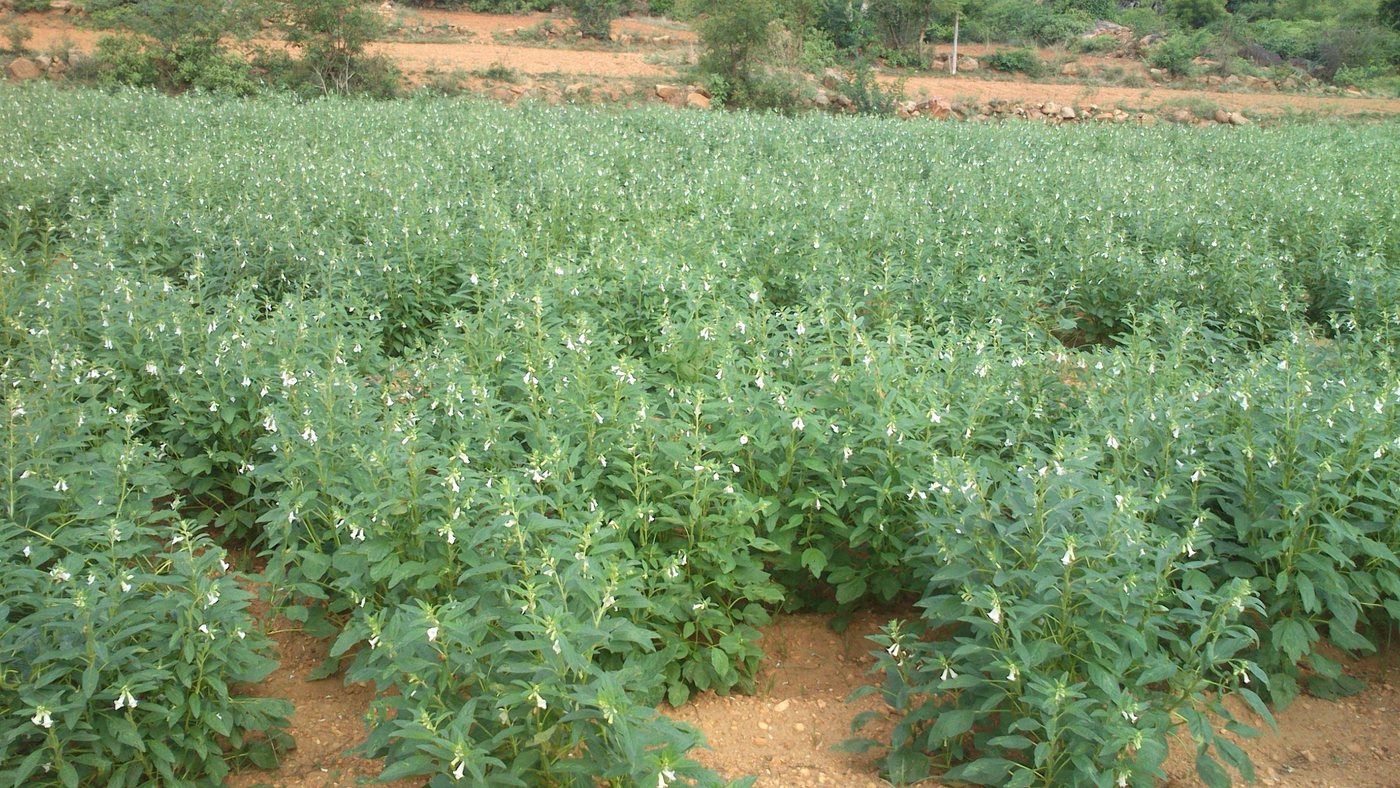
The internet version of this story sounds almost too perfectly designed for a meme: a farmer asks AI how to kill weeds, follows the answer, and wakes up to find that the weeds are dead — along with his crop.
The real sequence is more interesting. A 67-year-old farmer surnamed Wu in Chuzhou, China, had reportedly been using an unnamed AI app for roughly a year before the disaster. According to CTWANT, via Tom’s Hardware and The Economic Times, the tool had helped with weather, fertilizer and pest questions. Wu started skeptical. Then it kept being useful.
That history matters because the bad answer did not come from a stranger. In Wu’s daily routine, the AI had become a familiar assistant.
When he asked for a plan to control weeds and pests in sesame, the service generated a chemical recipe. Wu applied it without checking with an agricultural technician. By the next morning, sesame seedlings were dying across 150 mu — about 24.7 acres, or roughly 10 hectares.
One of the herbicides mentioned in the reporting was fomesafen, a broadleaf weed-control chemical. Chinese registration records restrict fomesafen products to defined crop uses and warn about sensitive crops. Specialists cited in the original account said the ingredient was central to understanding what went wrong.
There is no solid public number for the financial loss, and the reports do not name the AI app. That second point is worth repeating because social media has a habit of filling blank spaces with whatever chatbot brand people already know. The evidence here supports an unnamed AI service, not an accusation against a specific company.
The chat interface reportedly had a familiar disclaimer: AI-generated information may be wrong, so verify it. That sentence looks sensible in a screenshot. It is less powerful after a tool has spent a year getting enough things right that the user stops feeling the need to double-check.
This is the same trust dynamic that makes AI assistants attractive in the first place. Nobody wants an assistant that requires a second assistant to verify every sentence. But the moment the answer controls a chemical sprayer, the cost structure changes dramatically. A bad restaurant recommendation wastes an evening. A bad herbicide recommendation can alter 10 hectares before breakfast.
Researchers in China are already trying to make agricultural AI less generic. In May, they launched Green Shield, a specialized crop-protection language model that checks pesticide-registration data and is designed to block noncompliant advice. Its developers specifically warned that general LLMs can produce inaccurate or risky plant-protection recommendations.
That does not make every AI farm tool dangerous, and it does not make human agronomy error-free. It does show why high-stakes systems need more than a tiny disclaimer and a confident tone. The future of useful AI may depend on a strange skill for a chatbot: knowing when the most intelligent thing it can say is, “Do not spray this until an expert checks it.”
79