Society 4 min read By Lauren Baxter
Trump to Sign Executive Order Creating Military Spouse Commission
President Donald Trump is expected to sign an executive order creating the President's Military Spouse Commission, a new White House body tasked with improving quality of life for military families and strengthening military readiness. The commission will be chaired by Jennifer Hegseth.
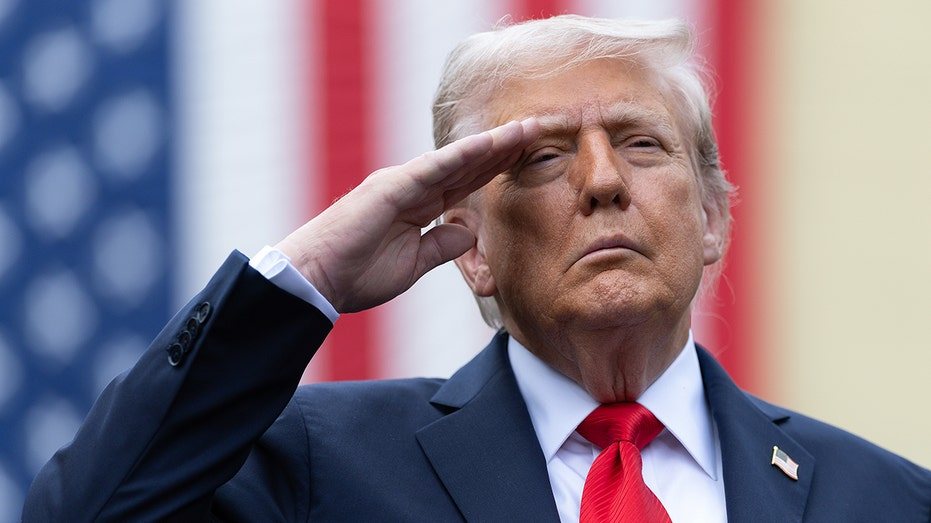
President Donald Trump is expected to sign an executive order Monday creating a new White House commission aimed at putting military spouses and families at the heart of military readiness. The order would establish the President's Military Spouse Commission, which would advise the president on policies affecting military spouses and families and provide annual recommendations to improve their quality of life while strengthening military readiness, a White House official said.
The commission is designed to give the White House a direct line to the challenges facing military spouses, including childcare, employment, housing, healthcare, education and the demands of multiple deployments. Trump is expected to sign the order Monday afternoon alongside War Secretary Pete Hegseth, his wife Jennifer, Chairman of the Joint Chiefs of Staff Gen. Dan Caine, and several military spouses, the official said.
Jennifer Hegseth will serve as chair of the Military Spouse Commission. «Military spouses are the bedrock of our Armed Forces' readiness and resilience. They are often overlooked but we see them and want them to know help is on the way,» she said. «I am deeply honored to lead this Commission alongside my fellow military spouses in leadership. We will work tirelessly to dismantle the barriers our families face every single day and these families can rest assured they have a champion in the White House with President Trump.»
Trump will appoint an executive director for the commission, while Homeland Security Secretary Markwayne Mullin's wife, Christie Mullin, and 20 other military spouses representing the service secretaries, Joint Chiefs of Staff and each branch's senior enlisted leader will serve as commission members. Secretary Mullin said his wife has a long record of supporting service members and their families in Oklahoma. «I can think of no better choice for someone to sit on this commission than her,» he said. «In her role, she will continue leadership that demonstrates some of her greatest qualities: love, mentorship, and care driven decision making that will no doubt impact the spouses of service members in a positive way.»
The announcement comes as military families continue to cite a familiar set of pressures. According to Blue Star Families' latest Military Family Lifestyle Survey, military spouse employment and pay are the top concerns for active-duty families, followed by time away from family, childcare, housing and housing allowances, and children's education. An estimated 1 million children have at least one parent serving on active duty, according to government website Military One Source.
During his first term, Trump expanded support for military families by improving occupational license portability for military spouses, broadening access to remote and flexible work, and increasing opportunities for federal employment. In 2018, he also signed legislation allowing military spouses to claim the same state of legal residence as their active-duty spouse, even when military orders require the family to move elsewhere.
In a Military Spouse Day proclamation signed in May, Trump said the nation's 250 years of freedom were made possible by the armed forces and the «selfless spouses» who have shared in the burden of military service across generations. He acknowledged at the time that «more work is needed» in relation to employment, quality housing, affordable childcare, accessible healthcare and education for military families. «In times of peace and in the crucible of conflict, they rise to meet every challenge and bear the pressures and sacrifices with relentless grace and fortitude,» the proclamation read.