Society 4 min read By Lauren Baxter
The viral “African guards” McDonald’s story has a real story underneath it
The meme-like claim is unsupported as company policy, but the reviews and incidents behind it reveal why security is becoming a visible part of fast-food culture in Italian cities.
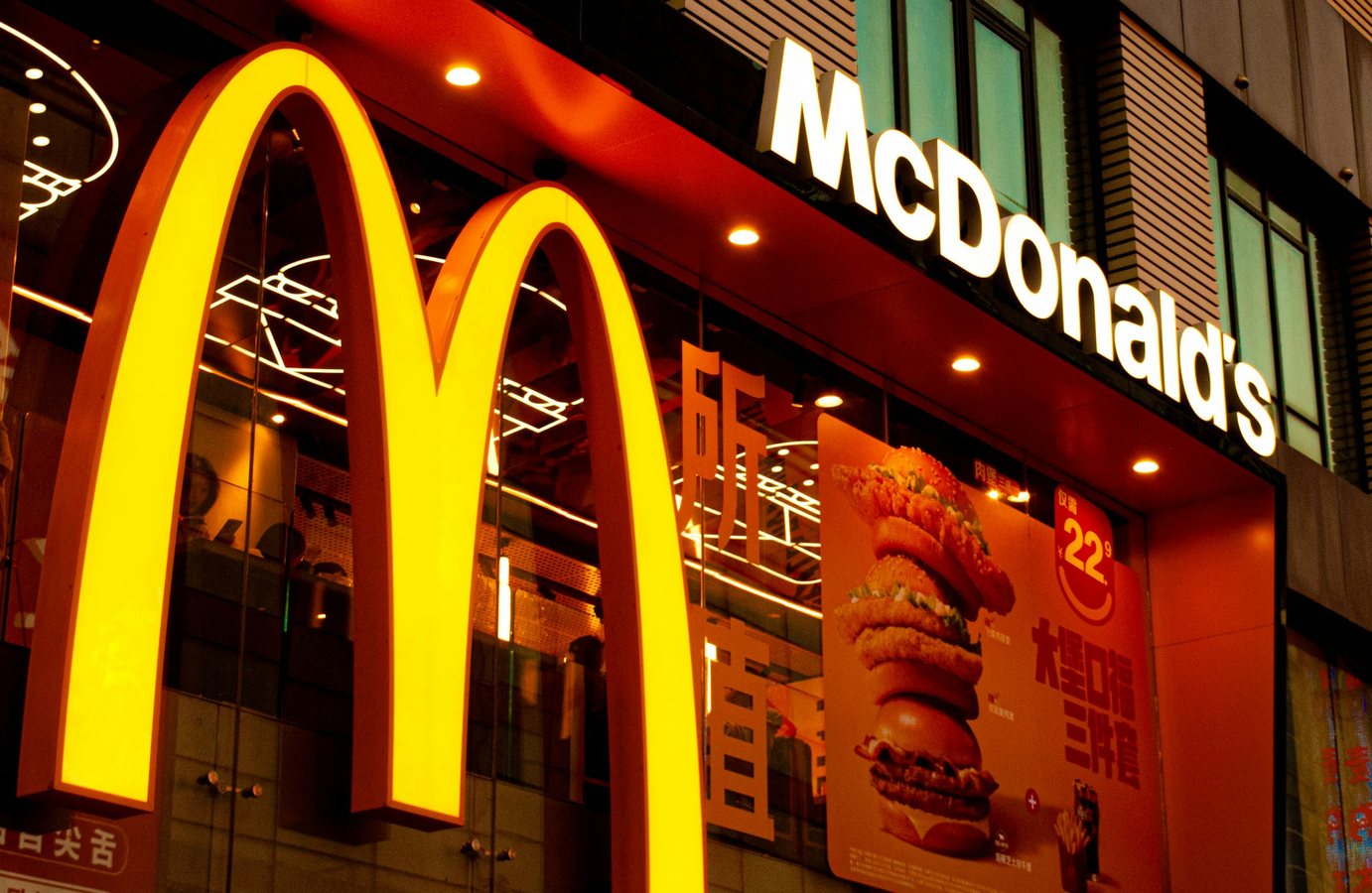
The internet loves a story that can be told in one sentence. This one goes something like: an Italian McDonald’s got tired of people begging or causing trouble, so it hired African men as security to deal with other Africans. It has the perfect viral ingredients — irony, race, a global brand and a punchline. But MAIR’s Italian publication Ascensio checked the details in “Guardie e mendicanti nei McDonald’s italiani.” The punchline did not survive as a verified corporate policy. The world behind it did.
There really are customer reviews from Milan that talk about security, “bouncers,” receipt checks and bathroom rules. One 2025 reviewer near Piazzale Loreto described a tall man the reviewer perceived as African who insisted that a purchase be made before restroom access. That is exactly the kind of scene that can become a caption, then a meme, then an alleged “policy” after enough reposts.
Other Milan reviews complain about aggressive enforcement. Those complaints matter because fast food is built around predictability: people expect the same basic experience everywhere. A guard who becomes the story changes that experience.
Naples offers the reverse viral image. At the Piazza Garibaldi McDonald’s, a reviewer said two security workers were present but people still repeatedly asked diners for money. So the “security fixed it” narrative does not work either. A restaurant next to a major station is plugged directly into street life.
Sometimes the stakes are much more serious than an uncomfortable meal. In Milan in 2017, ANSA reported, citing police, that a manager asked a guard to remove a group described as North African after customers were disturbed. A customer who backed the guard during the confrontation was stabbed.
By 2026, the answer in Frosinone looked less like a bouncer and more like infrastructure. McDonald’s and the prefecture launched a security protocol involving stronger surveillance, exterior lighting, staff training and faster links to law enforcement. Security becomes part of how the restaurant is designed and managed.
There is also a corporate-structure twist. More than 90 percent of McDonald’s restaurants in Italy are operated by franchisees. That means a weird rule or security setup at one location may be a local response, not a nationwide instruction.
McDonald’s publicly talks about inclusion and safe workplaces. That does not make every complaint false, but it does mean the ethnic hiring claim needs evidence beyond what someone thinks a guard looked like. Ascensio found no public confirmation of a strategy that assigns African guards specifically to African visitors.
The fact-checked version is still culturally interesting. Fast-food restaurants have become semi-public living rooms in many cities. People eat there, wait there, charge phones, use bathrooms, escape weather and sometimes ask strangers for help. The viral story may have exaggerated the racial logic, but it noticed something real — the modern fast-food restaurant is not as socially simple as its menu.
56