Society 4 min read By Trevor Kendall
Rare Bourbon Virus With No Cure or Vaccine Confirmed in New York for First Time
New York has confirmed its first case of the Bourbon virus, a rare tick-borne illness with no vaccine and no specific treatment. Researchers say the virus is likely underdiagnosed and are calling for expanded surveillance and better testing.
New York has confirmed its first case of the Bourbon virus, a rare tick-borne illness for which there is no vaccine and no specific treatment. Researchers say the infection may be circulating far more widely than official case counts suggest.
The diagnosis was confirmed in a Long Island patient who developed severe symptoms and required hospitalization, according to Stony Brook Medicine. The patient showed an eight-fold rise in antibody titers to the Bourbon virus, which allowed researchers to verify the infection.
Only six human cases of Bourbon virus have been reported since the virus was first identified in Bourbon County, Kansas, where the first known patient was diagnosed in 2014. That patient later died. At least two deaths have been linked to the virus, including the original Kansas case and another case reported in 2026.
Researchers involved in the study warn that additional infections have likely gone undiagnosed. There is no commercially available diagnostic test for Bourbon virus, and many healthcare providers are unfamiliar with it, increasing the possibility of misdiagnosis. Stony Brook Medicine also cautioned that the virus could begin to complicate diagnoses if it becomes more prevalent this summer and in coming years.
«There are a lot of lone star ticks in New York and in the Northeast; we have dense populations, and when someone is infected with Bourbon virus, symptoms are similar to other tick-borne infections,» said Dr. Luis Marcos, a professor at Stony Brook Medicine and director of its Tick-borne Disease Clinic.
«For these reasons, the Bourbon virus is likely more prevalent than we think in our region and other cases are likely not being diagnosed,» Marcos added.
Bourbon virus symptoms can include fever, fatigue, rash, headache, body aches and nausea. Because the illness resembles other infections spread by ticks, doctors may not immediately consider Bourbon virus when evaluating patients.
Marcos and his co-authors said their findings point to a need for expanded surveillance and better testing to improve diagnosis and track the spread of the virus. «Without identifying the cause of an infection, the chances of developing accurate diagnostic tests or effective treatments are minimal,» he said. «That is why it is so important to first understand the true impact of the virus in high-risk areas.»
According to the Centers for Disease Control and Prevention, the lone star tick is widely distributed in the Northeast, South and Midwest United States. The agency lists established tick populations in more than 20 states, including Arkansas, Connecticut, Delaware, Georgia, Illinois, Indiana, Kentucky, Maryland, Massachusetts, Missouri, New Jersey, New York, North Carolina, Ohio, Pennsylvania, Rhode Island, South Carolina, Tennessee, Virginia and West Virginia.
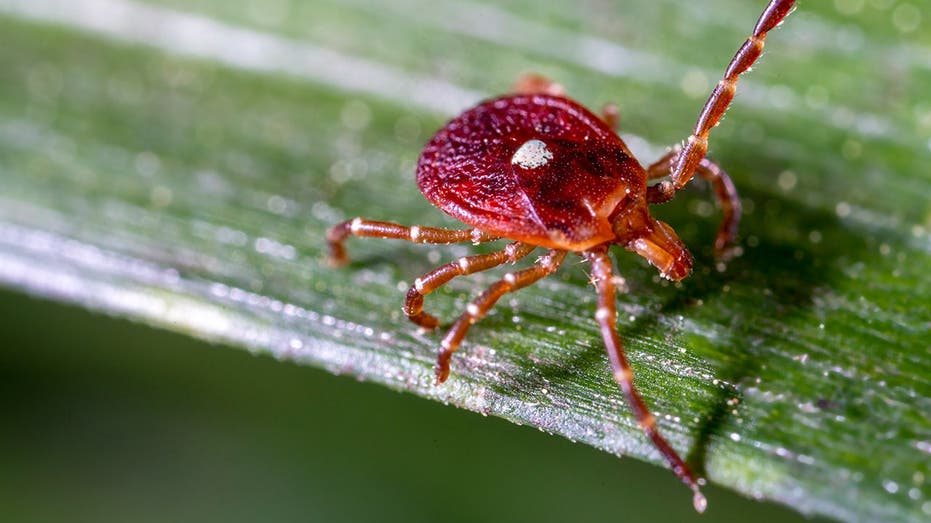
The lone star tick is considered an aggressive tick, according to the CDC. The adult female is distinguished by a white dot, known as a lone star, on her back, and both nymphs and adult females most frequently bite humans and spread disease. The agency notes, however, that only a small number of tick species bite and transmit the pathogens that cause disease in people.
Health officials recommend several precautions to avoid tick bites: wear long-sleeved shirts and pants that can be tucked into boots; apply insect repellent and treat clothing and outdoor gear with permethrin, without applying permethrin directly to the skin; stay out of tall grass and walk on well-beaten trails where possible; check for ticks after spending time outdoors; and remove any attached ticks promptly. Anyone who develops fever, rash, fatigue or other flu-like symptoms in the days or weeks after a tick bite should seek medical attention.