Society 4 min read By Lauren Baxter
Parents push for stronger camp safety standards one year after deadly Camp Mystic flood
One year after catastrophic floods at Camp Mystic killed 28 people, most of them young girls, parents continue to push for stronger camp safety standards, citing a state report that found the camp failed to adequately respond to storm warnings.
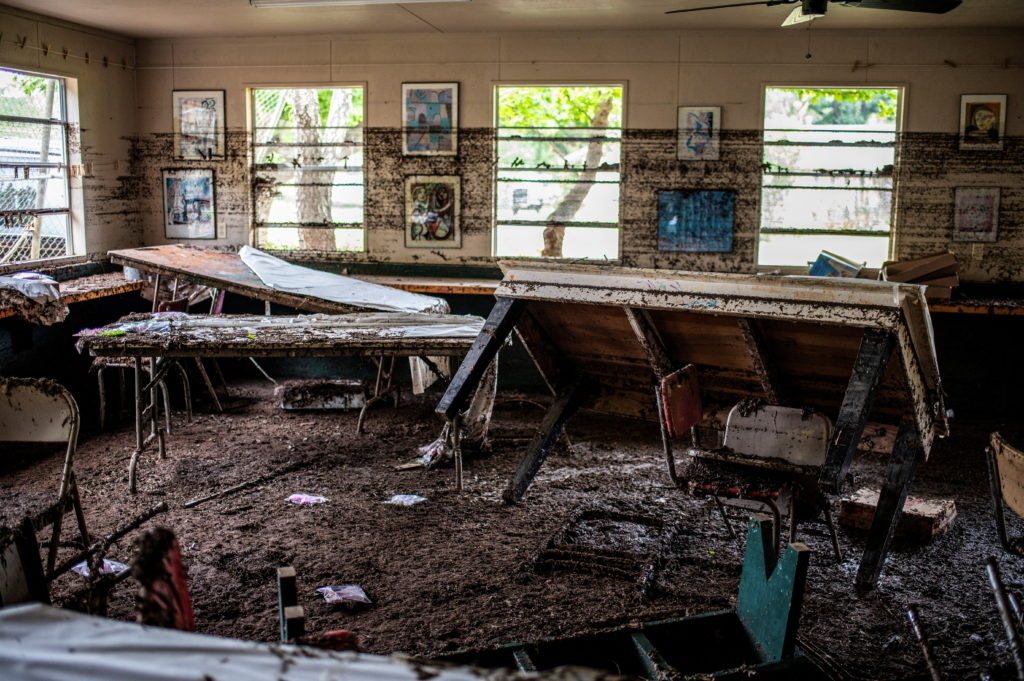
This weekend marks one year since catastrophic floods at Camp Mystic killed 28 people, most of them young girls. In their final report, state investigators said the camp failed to respond adequately to storm warnings. Today, many parents are still pressing for stronger camp safety standards, even as they honor their daughters' memories.
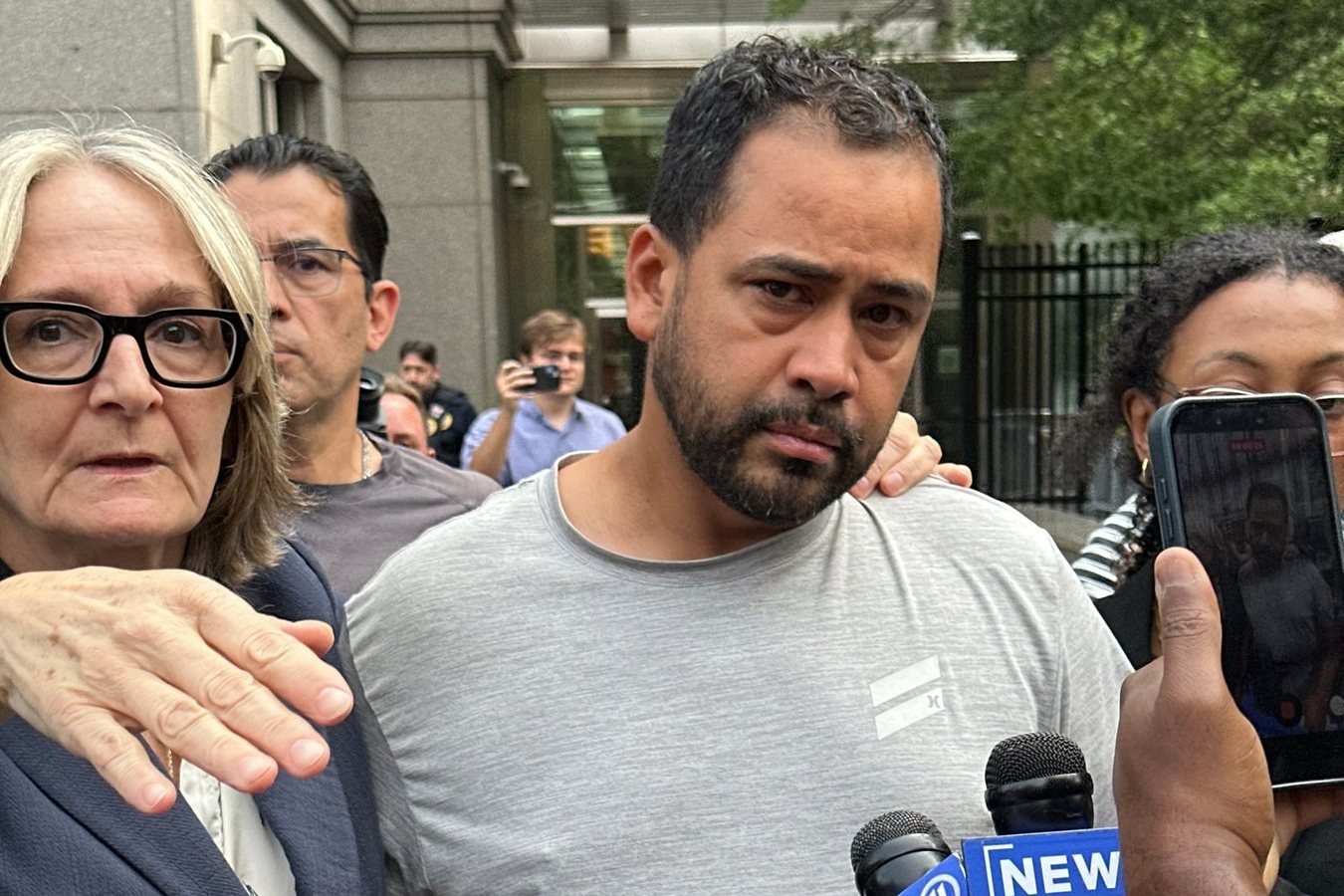
Lacey and Lars Hollis, whose daughter was among the victims, have become vocal advocates for change. They argue that the tragedy was preventable and that current regulations for summer camps are insufficient to protect children from extreme weather events. The couple has been meeting with state lawmakers and safety experts to push for mandatory emergency preparedness plans, real-time weather monitoring systems, and regular safety drills at all camps.
The flood occurred after a sudden, intense rainstorm overwhelmed the area near the camp, which is located in a mountainous region. Water rushed through the camp grounds in the middle of the night, sweeping away cabins and tents. Rescue efforts were hampered by the remote location and the speed of the rising water. The state investigation concluded that camp staff had received weather alerts but did not take timely action to move campers to higher ground or evacuate.
Since the disaster, several states have introduced or passed legislation aimed at improving camp safety. However, parents like the Hollises say progress has been slow and uneven. They are calling for a national standard that would require camps to have certified safety officers, conduct risk assessments, and maintain communication systems that can reach all staff and campers during emergencies.
The emotional toll on the families remains profound. Many have created memorials and scholarships in their daughters' names. Community vigils and fundraisers have been held throughout the year, and support groups have formed to help grieving families navigate their loss. The Hollises say they are determined to ensure that no other family experiences what they have endured.
Experts in child safety and disaster management have echoed the parents' concerns. They note that climate change is increasing the frequency and intensity of extreme weather events, making it even more critical for camps to have robust safety protocols. The American Camp Association has updated its guidelines, but compliance remains voluntary in many states.
As the anniversary approaches, the Hollises and other families are planning a private ceremony at the camp site. They hope that by sharing their story, they can inspire lasting change. «We cannot bring our daughters back, but we can make sure that other children are safe,» Lacey Hollis said in a recent interview.
The push for stronger safety standards has also drawn attention to the broader issue of emergency preparedness in recreational settings. Lawmakers in several states are considering bills that would require camps to have weather radios, designated safe areas, and staff trained in emergency response. Some proposals include penalties for non-compliance and regular inspections by state authorities.
While the legislative process moves forward, parents continue to advocate at the local level, speaking at school boards, community meetings, and camp industry conferences. They emphasize that the lessons from Camp Mystic should not be forgotten. «This is about accountability and prevention,» Lars Hollis said. «We owe it to our children to do everything we can.»