Society 5 min read By Mason Emerson
New York City Makes Controversial Syringe Redemption Program Permanent
New York City has permanently funded a program that pays drug users up to $10 daily for returning used syringes, sparking debate over the use of opioid settlement funds for harm reduction versus addiction treatment.
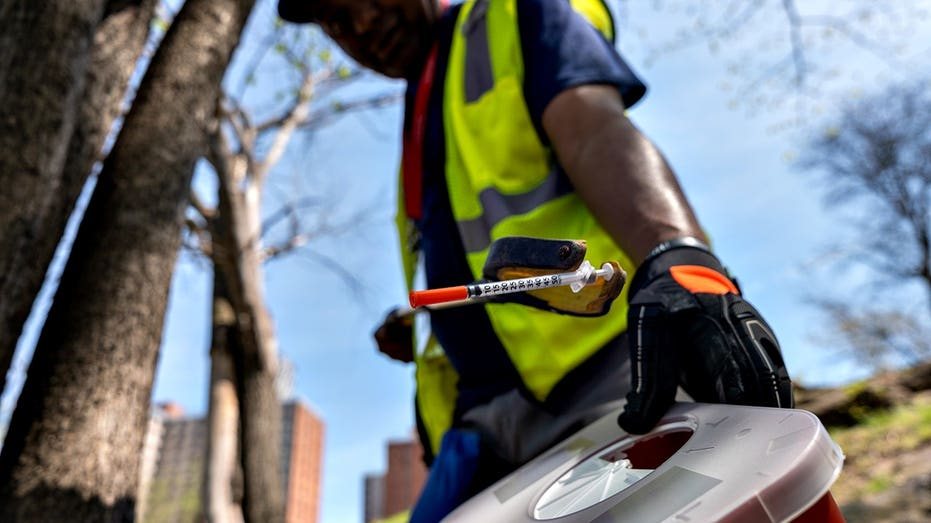
New York City has permanently funded a program that pays people up to $10 a day for returning used syringes, a controversial initiative that critics argue diverts taxpayer money away from addiction treatment. The Community Syringe Redemption Program, which began as a pilot in March 2025, was made permanent through Mayor Zohran Mamdani's first city budget, which allocated $3 million to continue the effort beyond its initial phase. The funding was included in the city's $126 billion spending plan submitted to the New York City Council on June 30, shortly before lawmakers approved the budget, according to the New York Post.
Under the program, participants receive 20 cents for every used syringe they return, with payments capped at 50 syringes, or $10 per day, as outlined by the New York City Health Department. The city operates eight redemption sites across the boroughs — five in the Bronx and one each in Brooklyn, Manhattan, and Queens — where enrolled individuals can drop off used needles during scheduled collection hours. The program is run by Addiction Response Resources, a nonprofit that also manages a similar syringe redemption initiative in Boston, under an $11.1 million contract that extends through the end of next year.
Health officials report that the program has collected more than 2.3 million used syringes since its launch about 16 months ago. During its first year, the city paid out approximately $292,000 to more than 1,700 participants. Sanitation Department data cited by the New York Post shows that workers have collected 26,229 discarded needles so far this year, a significant decrease from 64,560 during the same period in 2025, suggesting the program may be reducing syringe litter in public spaces.
The city is funding the program with more than $189 million in settlement funds received from major opioid manufacturers and distributors — money that some critics argue should be directed toward addiction treatment rather than harm reduction. Queens Republican Councilwoman Joann Ariola argued that the opioid settlement money used to fund the program "should all be going toward addiction treatment services — not for paying users to turn in their needles for cash." She added that the program "is putting money in the pockets of addicts" instead of helping them overcome addiction.
Bronx Democratic Councilman Oswald Feliz credited the effort to remove discarded syringes from public spaces but warned that the city "should not recklessly create conditions that can threaten the safety of vulnerable communities." Some participants view the program differently. Tamia Wright, 43, told the New York Post that it had become "definitely a side hustle" after returning used needles at a park in the Bronx, adding that she planned to spend the money on "weed... and cigarettes."
City officials maintain that the program aims to reduce dangerous syringe litter in neighborhoods that frequently report discarded needles. The Health Department notes that improperly discarded syringes can pose risks of needlestick injuries and disease transmission, and urges residents to safely dispose of sharps or report syringe litter through the city's 311 service. Health Department spokesperson Rachel Vick defended the program, stating that it helps residents "live in a community free of syringe litter" while safely disposing of medical waste and connecting people in need with nearby care.
The program has drawn national attention as cities across the United States grapple with the opioid crisis and debate the most effective use of settlement funds. Supporters argue that harm reduction programs like syringe redemption can reduce public health risks and provide a gateway to treatment, while opponents contend that they enable addiction without addressing its root causes. New York City's decision to make the program permanent reflects a broader trend among some municipalities to prioritize harm reduction as part of their response to the opioid epidemic, though the debate over its effectiveness and ethical implications continues.