
Society 5 min read By Trevor Kendall
Michigan Senate candidate Abdul El-Sayed faces scrutiny over paid health product ads
Michigan Democratic Senate candidate Abdul El-Sayed is facing questions after paid podcast ads showed him promoting supplements and wellness devices with his medical credentials, despite previous statements rejecting such advertisements. Public records show he never held a medical license or completed a residency.
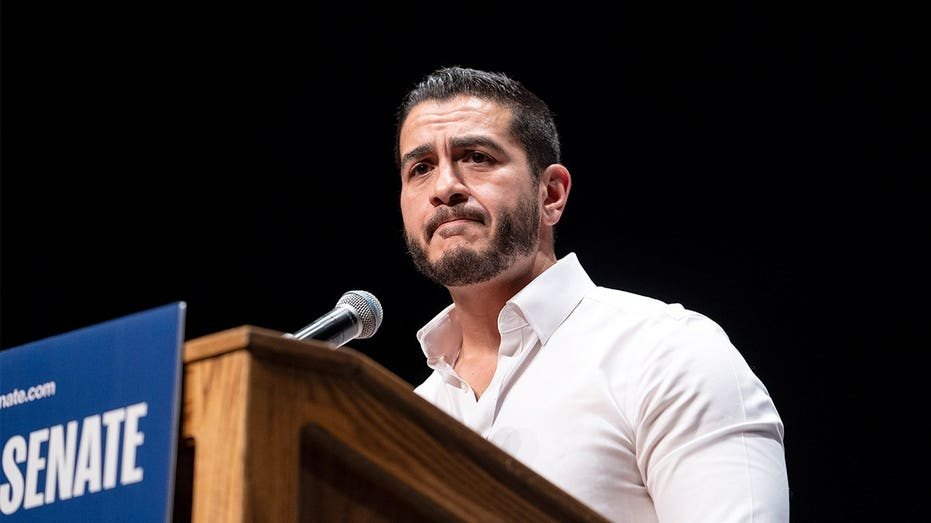
Michigan Democratic Senate candidate Abdul El-Sayed is facing renewed scrutiny over paid promotions for health products, after a review of his past podcast advertising shows he invoked his medical background to sell supplements and wellness devices even as he criticized other doctors for doing the same.
El-Sayed, who often highlights his training as a physician and epidemiologist on the campaign trail, hosted a podcast that he has said provided a six-figure income, in part through advertising. Companies that paid for ad reads included Thrive Market, a wellness retailer that sells supplements such as Moon Juice Brain Dust and Royal Jelly Brain Fuel, as well as a startup behind a handheld metabolism-tracking device and a company offering a peptide product marketed for skin health.
The promotions have become a political problem because they appear to conflict with El-Sayed's own public statements. In a deleted social media post from March 2022, he wrote: «I broadly reject any advertisements that are for products making claims about health.» He also attacked Mehmet Oz during Oz's 2022 Pennsylvania Senate campaign, describing the celebrity doctor as part of a «medical industrial complex that exists to sell you things that you don't need that are not actually based in any level of science.»
In one ad read from March 2025, El-Sayed told listeners that «even as a doctor and epidemiologist, nutrition labels are obnoxiously hard to process» before recommending Thrive Market as his go-to online grocery store for healthy essentials delivered to his door. Thrive Market has carried products like Moon Juice Brain Dust, which is described as a «nootropic blend of adaptogens and herbs» meant to support mental stamina, alertness and concentration, and Royal Jelly Brain Fuel, a supplement made from a substance bees produce to feed their queen. Health experts have expressed doubt about whether such supplements can meaningfully improve brain function.
El-Sayed also recorded a paid promotion on July 23, 2024, for Lumen, an Israel-based startup that makes a device billed as the world's first handheld metabolic coach. In the ad, he said the device measures metabolism through breath and tells users whether they are burning fats or carbohydrates, with tailored guidance on nutrition, exercise, sleep and stress. Years before that ad aired, researchers had raised questions about Lumen's claims. Nicholas Tiller, a senior researcher at Harbor-UCLA Medical Center, told Outside Magazine in 2022 that he did not see a practical use for the product in helping people achieve weight-loss goals and that terms like metabolic flexibility gave it «a false scientific legitimacy.» He called it «quintessential marketing over science.»
El-Sayed has leaned heavily on his identity as a doctor, but public records indicate he never held a medical license or completed a residency. He holds a medical degree and a doctorate in public health. That distinction has become relevant as voters weigh his health-related messaging in the Senate race. His campaign did not respond to a request for comment when asked about the advertisements.
The episode underscores the risks politicians face when blending personal branding, commercial endorsements and medical authority. El-Sayed's past rhetoric was pointed: in addition to criticizing Oz, he argued that some doctors use their credentials to persuade people to trust products without scientific basis. His own ads, critics say, echo that pattern.
For Michigan Democrats, the controversy adds a complication to El-Sayed's Senate campaign as he seeks to turn his background as a doctor and epidemiologist into an electoral asset. Whether the advertising records become a lasting liability may depend on how voters interpret the gap between his public stance and his paid work.