
Society 6 min read By Lauren Baxter
Maine Enacts Law Curbing Police Cooperation with Immigration Officials
A new law taking effect in Maine restricts state and local law enforcement from assisting federal immigration authorities, limiting information sharing and detention requests while supporters say it will build community trust.
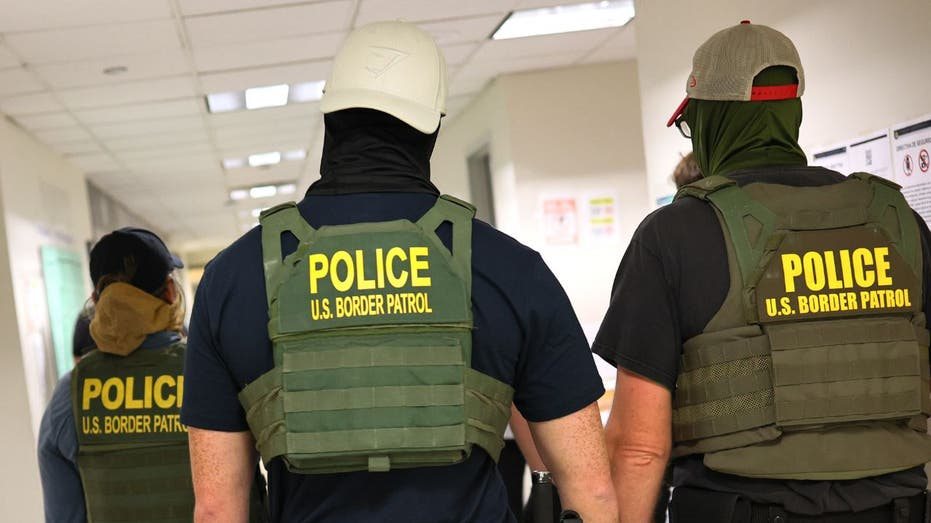
A new law in Maine significantly restricts the ability of state and local law enforcement agencies to cooperate with federal immigration officials, marking a major shift in the state’s approach to civil immigration enforcement. The measure, known as the «ICE Out of Policing» law, takes effect Wednesday and prohibits police, sheriff’s departments, and jails from assisting U.S. Immigration and Customs Enforcement (ICE) and Border Patrol agents in civil immigration matters. The law includes a range of limitations, from barring officers from contacting federal authorities for translation services when encountering non-English speakers to generally forbidding the sharing of personal information for civil immigration enforcement purposes.
Under the new restrictions, local and state agencies may not hold individuals for ICE based solely on civil immigration enforcement. Jails are generally prohibited from notifying ICE about nonpublic inmate release dates or honoring civil detainer requests, though exceptions exist for serious crimes, outstanding warrants, final removal orders, and certain public-safety concerns. The law also permits information exchanges that are legally authorized and cooperation in criminal investigations. Supporters of the legislation argue that these exceptions ensure public safety while preventing the entanglement of local police in federal immigration enforcement.
The policing measure is one of three new laws taking effect this week that limit cooperation with immigration authorities. Another law, signed by Governor Janet Mills in April, generally prohibits employees at public schools, state colleges, public libraries, healthcare facilities, and child-care facilities from voluntarily allowing immigration officers into nonpublic areas or granting access to protected records without a judicial warrant or other applicable legal authority. A third law, which became law without the governor’s signature in April, restricts landlords from disclosing tenants’ personal information without consent, including information related to immigration status, while preserving exceptions for warrants, subpoenas, emergencies, and certain legitimate housing or legal purposes.
The policing measure became law without Mills’ signature in January. Several Maine cities, including Portland, Lewiston, Waterville, and Rockland, had already adopted their own ordinances restricting local police from communicating with ICE and Border Patrol. The Maine State Police announced in December that it would begin following the policing restrictions before the law took effect, though some agencies continued to contact immigration officials. Scott Stewart, president of the Maine Chiefs of Police Association, warned that limiting cooperation could expose Maine agencies to federal funding cuts or increased enforcement actions from the federal government.
Immigrant rights advocates praised the new laws as a step toward improving community trust in law enforcement. The ACLU of Maine, the Immigrant Legal Advocacy Project, the Maine Immigrants’ Rights Coalition, and Maine Equal Justice held a news conference Tuesday to highlight the anticipated impact of the measures. Sue Roche, executive director of the Immigrant Legal Advocacy Project, said she was aware of more than 50 incidents last year in which state and local police contacted immigration officials, leading to arrests. According to Roche, «The vast majority of people who have been handed over to ICE or Border Patrol by Maine’s law enforcement were people in lawful immigration processes who had no criminal record.» Her organization and other advocates argue that reducing such interactions will make all residents feel safer interacting with police, regardless of immigration status.
The new laws place Maine among a growing number of states and localities nationwide that have sought to limit cooperation with federal immigration authorities. Supporters of such policies argue they protect civil liberties and encourage undocumented immigrants to report crimes and cooperate with police without fear of deportation. Critics, including Stewart and some federal officials, contend that the restrictions could hamper efforts to enforce immigration laws and may lead to conflicts over federal funding. Fox News Digital has reached out to ICE for comment on the new Maine laws. The debate over the appropriate role of local law enforcement in immigration enforcement continues to unfold across the country, with Maine’s new measures representing a significant policy shift in a state that has seen rising immigration in recent years.